Acute Kidney Disease (Acute Kidney Injury) & the Need for Dialysis

When the Air Turns Poison: Understanding Bad AQI, Its Causes, Health Effects & Prevention
December 16, 2025
Understanding Anxiety and Stress By Dr. Rishabh Gautam, MBBS, DA, FICM
December 27, 2025
A timely guide for patients and families
What is Acute Kidney Disease?
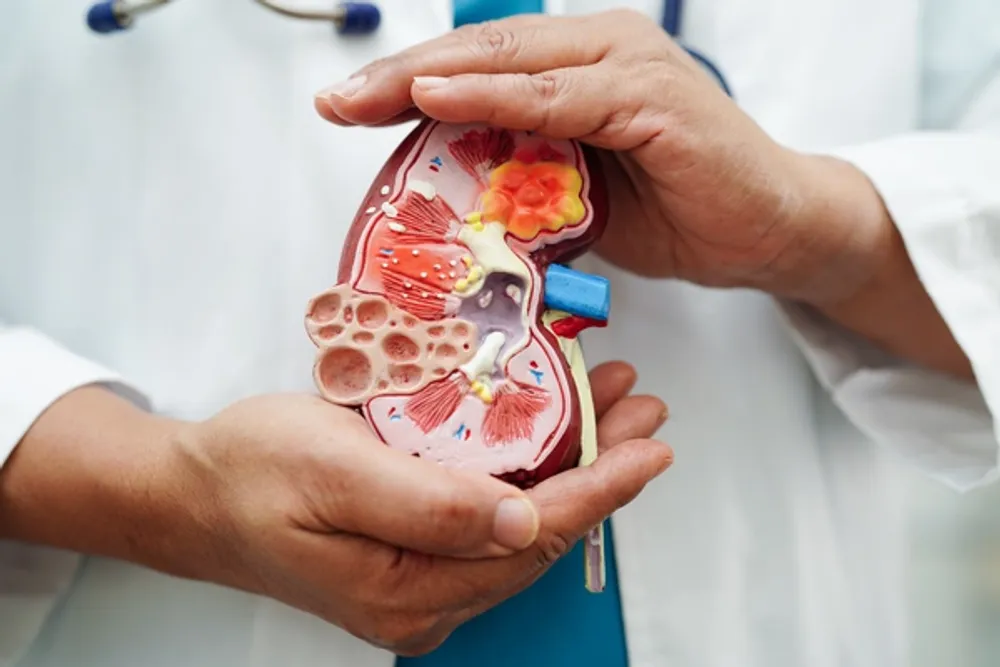
Acute Kidney Injury (AKI), often referred to as acute kidney disease, is a sudden decline in kidney function occurring over hours to days. Healthy kidneys filter waste, balance fluids and electrolytes, and help control blood pressure. When this function drops abruptly, toxins and excess fluid build up in the body—sometimes becoming life-threatening if not treated quickly. Timely care through specialized dialysis & nephrology in unnao a crucial role in managing AKI, helping remove harmful wastes, stabilize fluid balance, and support kidney recovery under expert nephrology supervision.

Common Causes of AKI
- AKI usually develops due to one or more of the following:
- Severe dehydration (vomiting, diarrhea, heat exposure)
- Infections and sepsis
- Low blood pressure or shock
- Heart failure
- Obstruction to urine flow (prostate enlargement, stones)
- Drug toxicity (painkillers like NSAIDs, certain antibiotics, contrast dyes)
Warning Signs You Should Not Ignore
AKI can be silent early on, but red flags include:
- Reduced urine output or no urine
- Swelling of feet, face, or around the eyes
- Shortness of breath
- Nausea, vomiting, loss of appetite
- Confusion or drowsiness
- Sudden rise in blood urea and creatinine on blood tests
Early recognition saves kidneys—and lives.
How is AKI Diagnosed?
Doctors confirm AKI through:
- Blood tests (creatinine, urea, electrolytes)
- Urine examination
- Ultrasound to rule out obstruction
- Continuous monitoring of urine output and vitals in moderate to severe cases
Treatment: Can AKI Be Reversed?
Yes—many cases of AKI are reversible if treated promptly. Management focuses on:
Treating the underlying cause (infection control, fluids, stopping harmful drugs)
Careful fluid and electrolyte balance
Close monitoring, often in a high-dependency unit or ICU for severe cases
When Does Dialysis Become Necessary?
Dialysis is not needed for every AKI patient. It is required when kidneys temporarily cannot maintain internal balance and complications arise.
- Indications for Dialysis in AKI
- Dialysis is started if there is:
- Severe fluid overload causing breathlessness
- Dangerously high potassium levels (risk of cardiac arrest)
- Severe metabolic acidosis
- Uremic symptoms (confusion, pericarditis, seizures)
- Very low or absent urine output despite treatment
Dialysis acts as an artificial kidney, removing waste and excess fluid until the kidneys recover.
Is Dialysis Permanent in AKI?
In most AKI cases, dialysis is temporary, and as kidney function improves, dialysis can be safely stopped. Only a small percentage—usually those with severe kidney injury or pre-existing kidney disease—may progress to chronic kidney disease. With timely diagnosis, expert monitoring, and comprehensive care provided through multispeciality healthcare services in unnao, patients benefit from coordinated treatment, early intervention, and better long-term kidney outcomes.
Prevention: Simple Steps Matter
- Stay well hydrated, especially during illness or heat
- Avoid self-medication, particularly painkillers
- Control diabetes and blood pressure
- Seek early care for fever, infections, or reduced urine
- Regular health checks if you are elderly or have chronic illnesses

A Message for Patients & Families
Acute kidney disease is a medical emergency, but with early diagnosis, expert care, and timely dialysis when required, outcomes can be excellent. Dialysis in AKI is not a failure—it is a life-saving bridge to recovery.
If you or your loved one shows symptoms suggestive of kidney injury, do not delay medical evaluation. Early action protects kidneys and preserves life.