Understanding Anxiety and Stress By Dr. Rishabh Gautam, MBBS, DA, FICM

Acute Kidney Disease (Acute Kidney Injury) & the Need for Dialysis
December 22, 2025
Winter Illness in Children: Common Health Problems Every Parent Should Know
December 29, 2025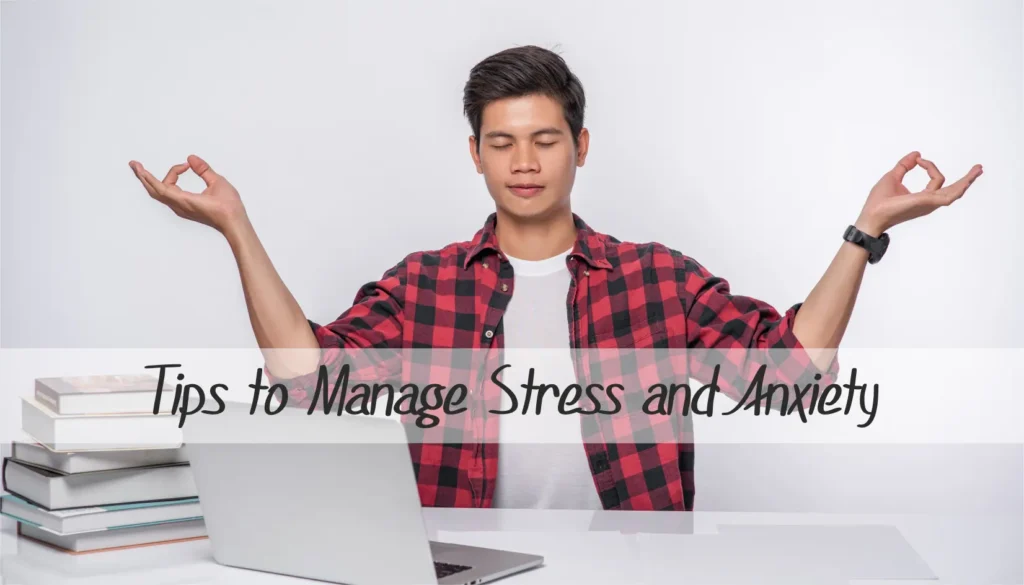
In today’s fast-paced world, anxiety and stress have become common experiences for many. While occasional stress is a natural part of life, chronic stress and persistent anxiety can seriously impact both physical and emotional well-being if not addressed on time plays a vital role in identifying the root causes of stress-related conditions and providing comprehensive care. With the support of experienced doctors, mental health specialists, and holistic treatment options available at a trusted multispeciality healthcare center in unnao, individuals can receive personalized guidance, early diagnosis, and effective treatment to restore balance and improve overall quality of life.
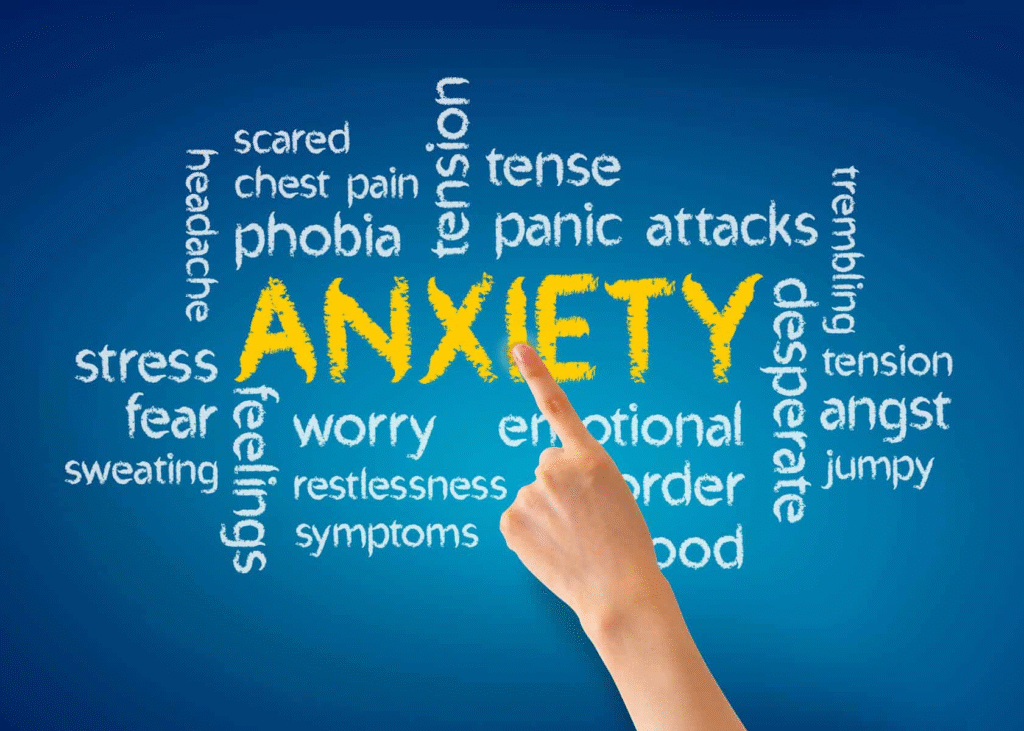
What Are Stress and Anxiety?
• Stress is the body’s natural reaction to a challenge or demand. It may arise from work pressure, exams, finances, relationships, or lifestyle changes.
• Anxiety is a feeling of persistent worry or fear that may not always have a clear trigger. Unlike stress, which often fades once the situation is resolved, anxiety can linger and affect daily life.
Both stress and anxiety trigger similar responses in the body — increased heart rate, muscle tension, rapid breathing, and heightened alertness — commonly known as the “fight-or-flight” response.
Why Do They Happen?
Stress and anxiety can result from:
External Factors
• Work demands
• Financial worries
• Academic pressure
• Relationship issues
• Traumatic events
Internal Factors
• Perfectionism
• Low self-esteem
• Negative thinking patterns
• Past experiences
Biological Factors
• Genetic predisposition
• Imbalances in brain chemicals (neurotransmitters)
• Chronic medical conditions
How Stress and Anxiety Affect the Body
When experienced often or intensely, they can lead to:
Physical symptoms
• Headaches
• Muscle tension
• Digestive problems
• Difficulty sleeping
Emotional symptoms
• Irritability
• Feeling overwhelmed
• Persistent worry
• Difficulty concentrating
Behavioral changes
• Avoidance of social interactions
• Changes in appetite
• Increased use of substances like caffeine or alcohol
Signs You Shouldn’t Ignore
If you notice the following, it’s important to seek help:
✔ Constant worry that doesn’t go away
✔ Frequent panic attacks
✔ Trouble functioning at work, school, or home
✔ Avoiding situations due to fear
✔ Changes in daily habits or sleep patterns

Practical Tips to Manage Stress and Anxiety
Here are evidence-based approaches you can start today:
1. Practice Mindfulness and Deep Breathing
Techniques like meditation, progressive muscle relaxation, and controlled breathing can calm the nervous system.
2. Stay Physically Active
Regular exercise releases endorphins — your body’s natural mood lifters.
3. Prioritize Sleep
Poor sleep worsens stress and anxiety. Try a consistent sleep schedule and limit screen time before bed.
4. Eat Balanced Meals
Nutritious food supports brain health and energy levels.
5. Talk About It
Sharing your feelings with someone you trust can provide relief and perspective.
When to Seek Professional Help
If self-care isn’t enough, don’t hesitate to consult a healthcare professional. Treatments such as therapy, lifestyle interventions, and — in some cases — medication can be highly effective.
As someone who works daily in critical care, I’ve seen firsthand how stress and anxiety can deeply affect overall health. Early acknowledgement, open communication, and proper medical guidance are essential steps toward recovery and long-term well-being. Seeking care from the best ICU hospitals in unnao ensures timely intervention, advanced monitoring, and expert support for patients whose mental and physical health may be at risk. With experienced critical care teams and state-of-the-art facilities, leading ICU hospitals in Unnao play a crucial role in helping individuals stabilize, heal, and regain control over their health and daily functioning.

Final Thoughts
Stress and anxiety are not weaknesses — they are human responses. What matters most is how we understand and manage them. With the right tools and support, everyone can build resilience and reclaim a balanced, fulfilling life.
If you found this blog helpful or want personalized tips, feel free to ask!