Gestational Diabetes Mellitus (GDM): What Every Expecting Mother Should Know

What is Dialysis? A Simple Guide for Patients and Families
March 11, 2026
Pregnancy and Navratri Fasting: Essential Safety Tips Every Expecting Mother Should Follow
March 20, 2026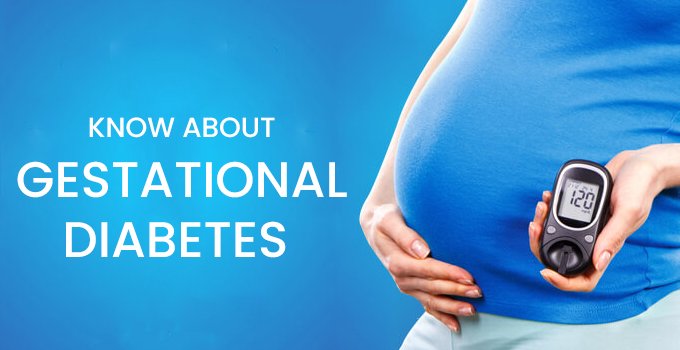
By Dr. Abha Shrikrishna Shriwastav
Gynecologist & Obstetrician
Pregnancy is a beautiful journey, but it also brings several physiological changes in a woman’s body. One such condition that may develop during pregnancy is Gestational Diabetes Mellitus (GDM). With proper screening, awareness, and timely care, most women with gestational diabetes can have a healthy pregnancy and deliver a healthy baby. For comprehensive maternal care and medical support, patients can also seek expert consultation and advanced General Surgery in Unnao at Abhisri Hospital where experienced specialists provide reliable healthcare services for various medical conditions.
What is Gestational Diabetes?
Gestational Diabetes Mellitus is a type of diabetes that develops during pregnancy in women who did not previously have diabetes. It occurs when the body cannot produce enough insulin to handle the increased blood sugar levels during pregnancy.
Hormonal changes during pregnancy can make the body less responsive to insulin, leading to elevated blood glucose levels.
Gestational diabetes usually develops between the 24th and 28th week of pregnancy, which is why screening tests are commonly done during this period.
Why Does Gestational Diabetes Occur?
During pregnancy, the placenta produces hormones that help the baby grow. However, these hormones can also block the action of insulin in the mother’s body, causing insulin resistance.
If the pancreas cannot produce enough insulin to overcome this resistance, blood sugar levels rise, leading to gestational diabetes.
Who is at Higher Risk?
Some women are more likely to develop gestational diabetes. Risk factors include:
• Age above 25 years
• Overweight or obesity
• Family history of diabetes
• Previous pregnancy with gestational diabetes
• History of delivering a large baby (more than 4 kg)
• Polycystic Ovary Syndrome (PCOS)
• Sedentary lifestyle
However, it is important to know that gestational diabetes can occur even without risk factors, which is why routine screening is essential.
Symptoms of Gestational Diabetes
In many cases, gestational diabetes does not cause obvious symptoms. However, some women may experience:
• Excessive thirst
• Frequent urination
• Unusual fatigue
• Increased hunger
• Recurrent infections
Because symptoms may be mild or absent, regular prenatal check-ups and glucose testing are very important.
How is Gestational Diabetes Diagnosed?
Gestational diabetes is diagnosed through blood glucose tests, usually performed between 24–28 weeks of pregnancy.
Common tests include:
• Glucose Challenge Test (GCT)
• Oral Glucose Tolerance Test (OGTT)
These tests help determine how well the body processes glucose during pregnancy.

Possible Risks if Not Controlled
If gestational diabetes is not properly managed, it may cause complications for both the mother and baby.
For the Baby
• Excessive birth weight (Macrosomia)
• Premature birth
• Breathing difficulties
• Low blood sugar after birth
• Higher risk of obesity and diabetes later in life
For the Mother
• High blood pressure
• Increased chance of cesarean delivery
• Higher risk of developing Type 2 diabetes later in life
The good news is that proper management significantly reduces these risks.
Management of Gestational Diabetes
Most women can manage gestational diabetes with lifestyle changes and medical guidance.
Healthy Diet
A balanced diet with controlled carbohydrate intake is very important. Eating smaller, frequent meals helps maintain stable blood sugar levels.
Regular Physical Activity
Light exercises such as walking or prenatal yoga help improve insulin sensitivity and control blood sugar.
Blood Sugar Monitoring
Regular monitoring helps ensure that glucose levels remain within the safe range.
Medications or Insulin
If diet and exercise are not enough, doctors may prescribe insulin or medications to control blood sugar.
Can Gestational Diabetes Be Prevented?
While it cannot always be prevented, certain steps may reduce the risk:
• Maintaining a healthy weight before pregnancy
• Eating a balanced diet
• Staying physically active
• Regular prenatal checkups
What Happens After Delivery?
In most cases, blood sugar levels return to normal after childbirth. However, women who had gestational diabetes have a higher risk of developing Type 2 diabetes in the future.
Therefore, doctors usually recommend a follow-up glucose test about 6–12 weeks after delivery.
Adopting a healthy lifestyle after pregnancy helps reduce future risk.

Final Advice for Expecting Mothers
Gestational diabetes may sound concerning, but with early detection, proper monitoring, and medical care, most women have a safe pregnancy and deliver healthy babies. Access to quality Multispeciality Healthcare Services in Unnao that expecting mothers receive comprehensive medical support, expert guidance, and proper treatment throughout their pregnancy journey.
Regular antenatal visits, timely screening, and following your doctor’s advice are the keys to managing this condition successfully.
If you are pregnant or planning pregnancy, consult your gynecologist for proper guidance and screening.
Dr. Abha Shrikrishna Shriwastav
Consultant Gynecologist & Obstetrician
For consultation and pregnancy care, visit Abhisri Hospital.