Warning Signs of Appendicitis You Shouldn’t Ignore

Pregnancy and Navratri Fasting: Essential Safety Tips Every Expecting Mother Should Follow
March 20, 2026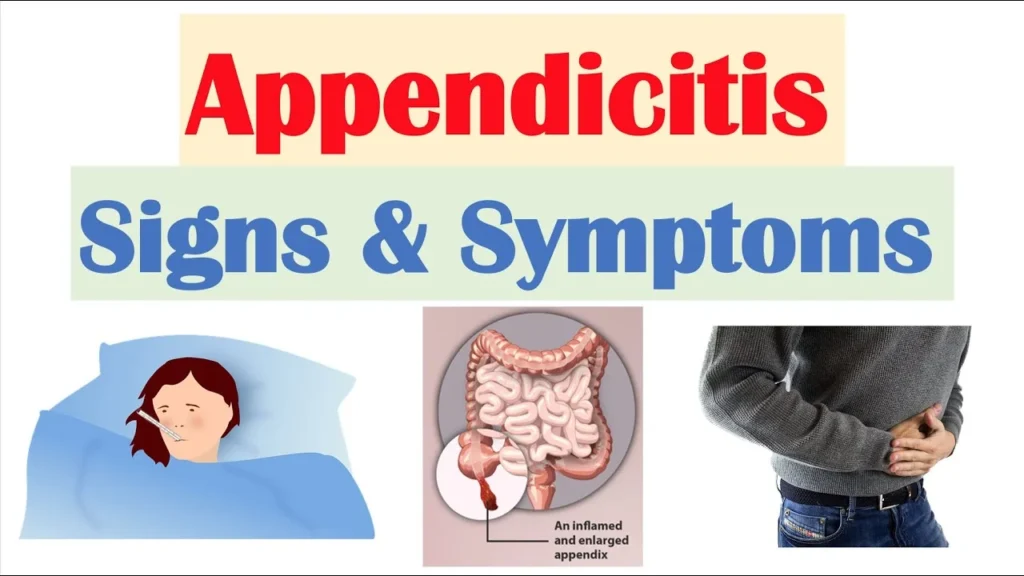
And When Surgery Becomes Necessary
Appendicitis is a common but potentially serious medical emergency that requires timely diagnosis and treatment. What often begins as mild abdominal discomfort can rapidly progress into a life-threatening condition if ignored.
Recognizing the early warning signs and seeking prompt medical care can prevent complications like rupture and severe infection. This guide will help you understand the symptoms, diagnosis, and treatment options for appendicitis—and when surgery becomes necessary.

What is Appendicitis?
Appendicitis is the inflammation of the appendix, a small finger-shaped pouch attached to the large intestine.
It usually occurs when the appendix becomes blocked due to:
• Stool (fecalith)
• Infection
• Swelling of lymphoid tissue
This blockage leads to bacterial overgrowth, causing inflammation, pain, and infection. If untreated, the appendix may rupture, spreading infection inside the abdomen (peritonitis), which can be life-threatening.
Common Symptoms of Appendicitis
Early recognition of symptoms is crucial. Typical symptoms include:
• Pain starting near the navel and shifting to the lower right abdomen
• Loss of appetite
• Nausea and vomiting
• Mild fever (which may worsen over time)
• Inability to pass gas
• Abdominal bloating
The hallmark symptom is progressively worsening abdominal pain, especially with movement, coughing, or walking.
Atypical Symptoms You Should Know
Appendicitis does not always present in a classic way. Some patients may experience:
• Pain in the upper abdomen or back
• Pain while passing urine (dysuria)
• Diarrhea or constipation
• Severe abdominal cramps
• Unusual fatigue
These atypical presentations are more common in:
• Children
• Elderly individuals
• Pregnant women
Because of this, diagnosis may sometimes be delayed.
Warning Signs You Should Never Ignore
Seek immediate medical attention if you notice:
• Severe, persistent abdominal pain
• High-grade fever
• A rigid or hard abdomen
• Difficulty moving due to pain
• Sudden relief of pain followed by worsening condition
Sudden relief of severe pain may indicate rupture of the appendix, which is a surgical emergency.
How Appendicitis is Diagnosed
Diagnosis is based on a combination of clinical evaluation and investigations:
Clinical Examination
• Tenderness in the right lower abdomen
• Rebound tenderness and guarding
Scoring Systems
Doctors may use tools like the Alvarado score to assess probability.
Laboratory Tests
• Elevated white blood cell count (TLC)
• Increased C-reactive protein (CRP)
• Urine test to rule out urinary causes
Imaging
• Ultrasound (first-line in many cases)
• CT scan (more accurate)
• MRI (in selected patients, e.g., pregnancy)
When Appendicitis Becomes Dangerous
If not treated in time, appendicitis can lead to:
• Rupture of the appendix
• Spread of infection in the abdomen
• Peritonitis (life-threatening infection)
• Abscess formation
Early diagnosis and treatment significantly reduce these risks.

When is Surgery Required?
Surgery is the standard and most effective treatment for appendicitis.
It is usually recommended when:
• Diagnosis is confirmed
• Symptoms are worsening
• There is a risk of rupture
• Infection is spreading
Types of Surgery:
🔹 Laparoscopic Appendectomy
• Minimally invasive
• Faster recovery
• Less pain
🔹 Open Surgery
• Used in complicated or ruptured cases
Can Appendicitis Be Treated Without Surgery?
In selected early and uncomplicated cases, doctors may start treatment with antibiotics.
However:
• Requires close monitoring
• Risk of recurrence remains
• Surgery may still be needed later
Therefore, surgery remains the definitive treatment in most patients.
What to Do If You Suspect Appendicitis
If you experience symptoms:
• Seek medical attention immediately
• Avoid self-medication, especially painkillers
• Do not apply heat to the abdomen
• Avoid eating or drinking until evaluated
Delay can increase the risk of rupture and complications.
Recovery After Appendix Surgery
Recovery depends on the type of surgery:
After Laparoscopic Surgery:
• Faster recovery
• Early return to normal activity
After Open Surgery:
• Longer healing time
• More rest required
General advice:
• Avoid heavy lifting for a few weeks
• Follow medical instructions strictly
• Watch for signs of infection
Can Appendicitis Be Prevented?
While appendicitis cannot always be prevented, maintaining good digestive health may help:
• Eat a high-fiber diet
• Stay well hydrated
• Maintain regular bowel habits
Most importantly, awareness of symptoms ensures early treatment and better outcomes.

Conclusion
Appendicitis is a time-sensitive condition that should never be ignored. Early recognition of symptoms and prompt medical care can prevent serious complications and save lives.
While mild symptoms may seem harmless initially, they can quickly progress. When in doubt, it is always safer to seek medical evaluation.
At Abhisri Hospital, Unnao, our experienced surgical team provides accurate diagnosis, advanced laparoscopic surgery, and comprehensive care to ensure safe and quick recovery.
If you experience persistent abdominal pain or any warning signs, do not delay—seek medical care immediately.