High Blood Pressure and Kidney Damage: Understanding the Risks and Prevention

Hydration Guide for Kids in Summer & Fluid Care for Dialysis Patients
April 22, 2026
Embryo Transfer Process: Complete Guide to IVF Success
May 1, 2026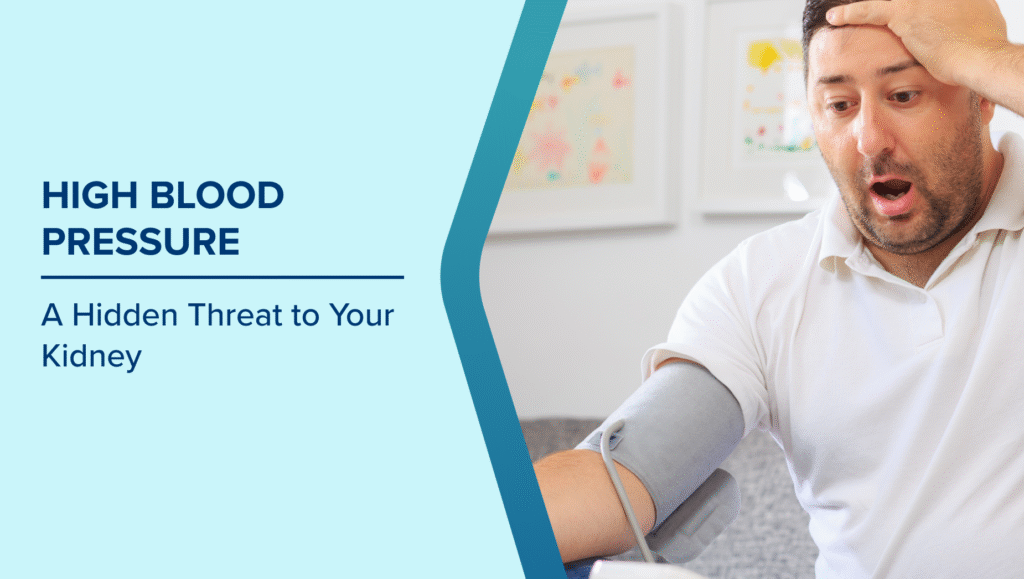
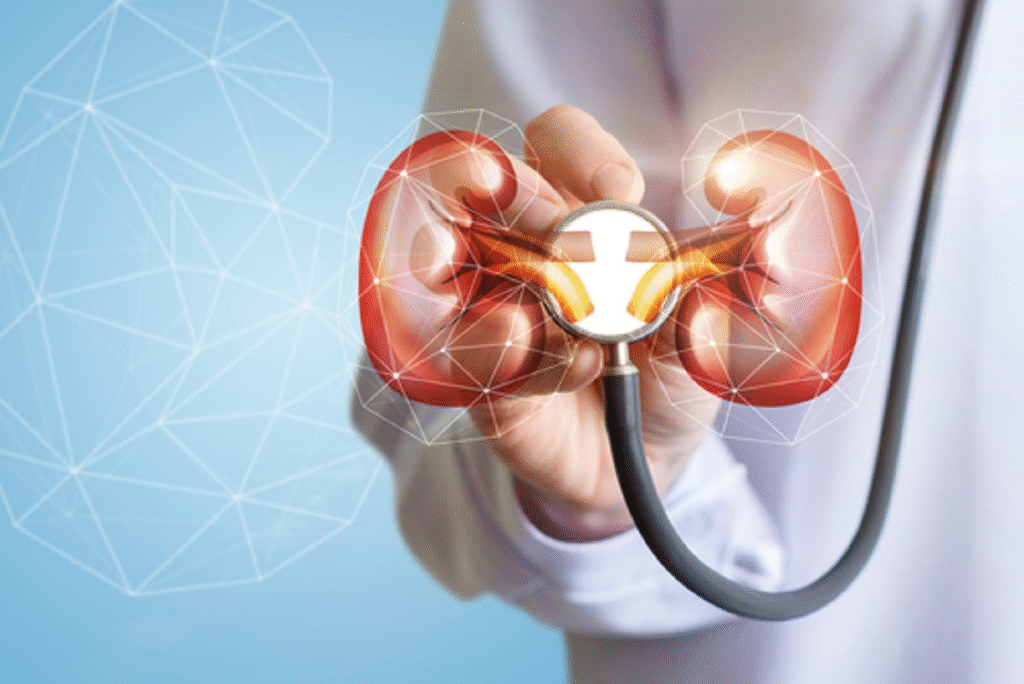
High blood pressure is often called a silent condition because it can develop without clear warning signs. Many people live with it for years without realizing the damage it may be causing inside the body. One of the most important organs affected by high blood pressure is the kidney. The kidneys filter waste, balance fluids, and help control blood pressure. When blood pressure stays high for a long time, it puts extra strain on the tiny blood vessels in the kidneys and can slowly reduce their ability to work properly. In advanced cases where kidney function declines significantly, access to proper treatment becomes essential, including services like Dialysis Facility in Unnao, which can support patients in managing severe kidne
This connection matters because kidney damage can happen gradually. By the time symptoms appear, the condition may already be advanced. Understanding how high blood pressure harms the kidneys is one of the best ways to protect long-term health.
How High Blood Pressure Damages the Kidneys
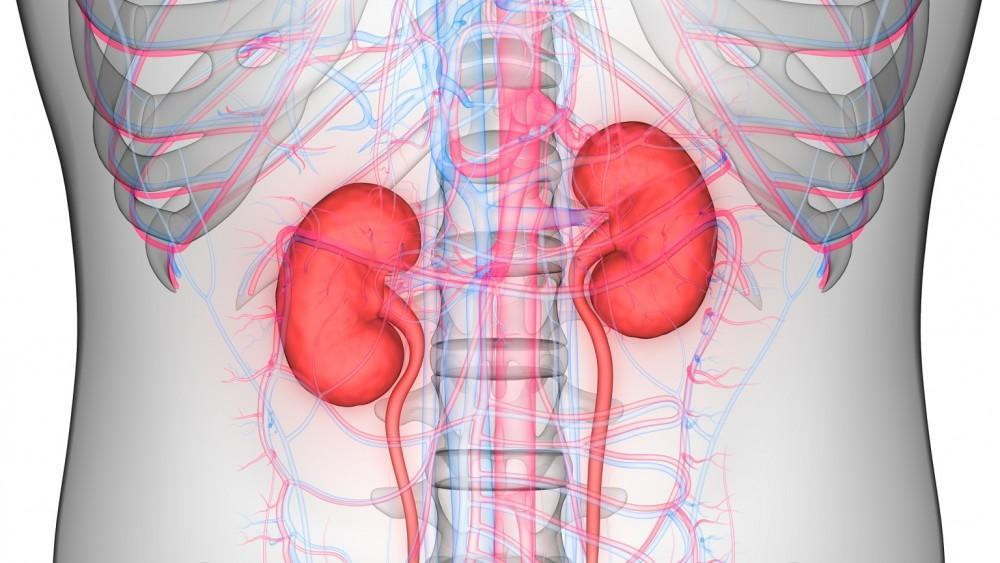
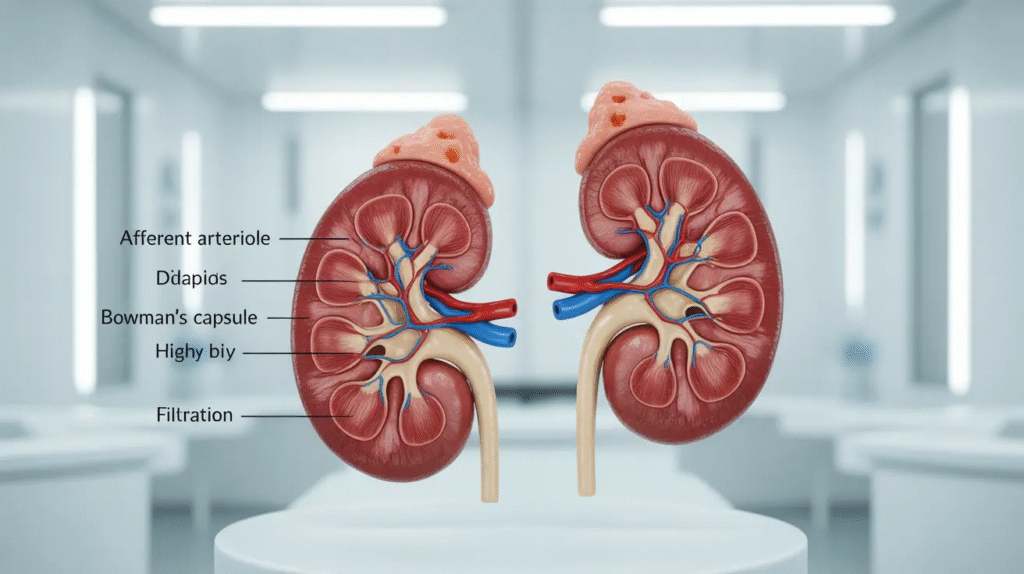
The kidneys contain many small blood vessels that act like filters. These vessels are delicate and depend on steady blood flow. When pressure inside the vessels remains too high, it can injure them. Over time, this damage makes the vessels stiff, narrow, or leaky.
When the filters inside the kidneys become damaged, they cannot remove waste and extra fluid as effectively. This can lead to a buildup of toxins in the body and may also cause more fluid retention, which can raise blood pressure even further. This creates a dangerous cycle: high blood pressure damages the kidneys, and kidney damage can make blood pressure worse.
Some common effects of long-term high blood pressure on the kidneys include:
- Reduced filtering ability
- Protein leaking into the urine
- Fluid retention and swelling
- Higher risk of chronic kidney disease
- Increased chance of kidney failure in severe cases
The Link Between Kidney Disease and Blood Pressure
The relationship between blood pressure and kidney health goes both ways. High blood pressure can damage the kidneys, and kidney disease can also lead to high blood pressure. This happens because damaged kidneys may struggle to regulate salt, water, and hormone levels that help control blood pressure.
When the kidneys are not working well, the body may hold on to too much fluid. This increases pressure in the blood vessels and makes the heart work harder. As a result, managing kidney health and blood pressure together becomes very important.
People with kidney disease often need to monitor their blood pressure more closely than others. Even small increases in blood pressure can speed up kidney damage if left untreated.
Warning Signs to Watch For
High blood pressure itself often does not cause obvious symptoms. Kidney damage also may not show early warning signs. That is why regular checkups are so important. Still, there are some signs that may point to kidney problems or worsening blood pressure control.
Possible warning signs include:
- Swelling in the feet, ankles, or hands
- Foamy or bloody urine
- More frequent urination, especially at night
- Fatigue or weakness
- Shortness of breath
- Loss of appetite
- Trouble concentrating
- Headaches or dizziness
These symptoms do not always mean kidney disease, but they should not be ignored. A doctor can order tests to check blood pressure, kidney function, and urine protein levels.
Who Is at Higher Risk
Anyone can develop high blood pressure, but some people face a greater risk of kidney damage. The risk becomes higher when blood pressure is uncontrolled for many years or when other health problems are present.
People who may be at greater risk include those who:
- Have diabetes
- Have a family history of kidney disease
- Are overweight or physically inactive
- Eat too much salt
- Smoke
- Drink too much alcohol
- Are older adults
- Already have heart disease or vascular disease
For these individuals, regular monitoring is especially important. Even if they feel well, silent damage may still be developing.
Tests That Help Detect Kidney Damage
Doctors use several tests to check whether high blood pressure is affecting the kidneys. These tests help find problems early, before serious damage occurs.
Common tests include:
- Blood pressure measurement
- Blood tests to check creatinine and estimated kidney function
- Urine tests to look for protein or blood
- Imaging tests in some cases
A urine test can be especially helpful because protein in the urine may be one of the first signs of kidney injury. Blood tests can show whether the kidneys are still filtering waste properly. Together, these tests give a clearer picture of kidney health.
How to Prevent Kidney Damage from High Blood Pressure
The good news is that kidney damage from high blood pressure can often be prevented or delayed. The most effective step is controlling blood pressure early and consistently. Small changes in daily habits can make a big difference over time.
Important prevention steps include:
- Check blood pressure regularly
- Take prescribed medicines exactly as directed
- Reduce salt intake
- Eat more fruits, vegetables, and whole grains
- Stay physically active
- Maintain a healthy weight
- Quit smoking
- Limit alcohol
- Manage diabetes and cholesterol if present
- Drink enough water unless a doctor advises otherwise
A healthy lifestyle supports both the heart and kidneys. It also improves the effectiveness of treatment if medicine is needed.
The Role of Medicine in Protection
Many people with high blood pressure need medicine to bring their numbers into a safer range. Some medicines are especially helpful for protecting the kidneys. These may lower pressure in the kidney’s tiny blood vessels and reduce protein loss in the urine.
It is important to take medicine exactly as prescribed. Stopping treatment on your own or skipping doses can allow blood pressure to rise again, increasing the risk of kidney damage. If side effects or concerns come up, a doctor can often adjust the treatment plan.
Daily Habits That Support Kidney Health
Healthy routines are a powerful part of prevention. They work best when followed consistently, not only for a short time.
Helpful daily habits include:
- Reading food labels to avoid hidden salt
- Cooking more meals at home
- Choosing fresh foods over processed foods
- Walking, cycling, or doing other regular exercise
- Sleeping well each night
- Managing stress in healthy ways
- Keeping follow-up appointments
Stress management matters because stress can raise blood pressure over time. Simple steps like deep breathing, stretching, time outdoors, or quiet breaks during the day can help.
Why Early Action Makes a Difference
The earlier high blood pressure is found and controlled, the better the chance of protecting the kidneys. Kidney damage often develops slowly, so waiting until symptoms appear can be risky. Early action gives the body a better chance to heal or slow down damage.
Regular checkups are not just for people who already feel unwell. They are one of the best tools for preventing serious problems later. If high blood pressure is already diagnosed, staying consistent with treatment can protect kidney function for many years.
Final Thoughts
High blood pressure and kidney damage are closely connected, and each can worsen the other if left unmanaged. The risk is serious, but it is also preventable in many cases. By understanding the link between the two, watching for warning signs, and making healthy choices, people can protect both kidney health and overall well-being. Access to quality care, such as Multispeciality Healthcare Services in Unnao, also plays an important role in early diagnosis, effective treatment, and long-term management of both conditions.
The key is early detection, regular monitoring, and steady control of blood pressure. Small steps taken today can help prevent major kidney problems in the future.