How to Maintain a Healthy Liver: Diet, Lifestyle & Prevention Guide

ICU Is Not the End: The Truth Every Family Must Know About Intensive Care
February 9, 2026
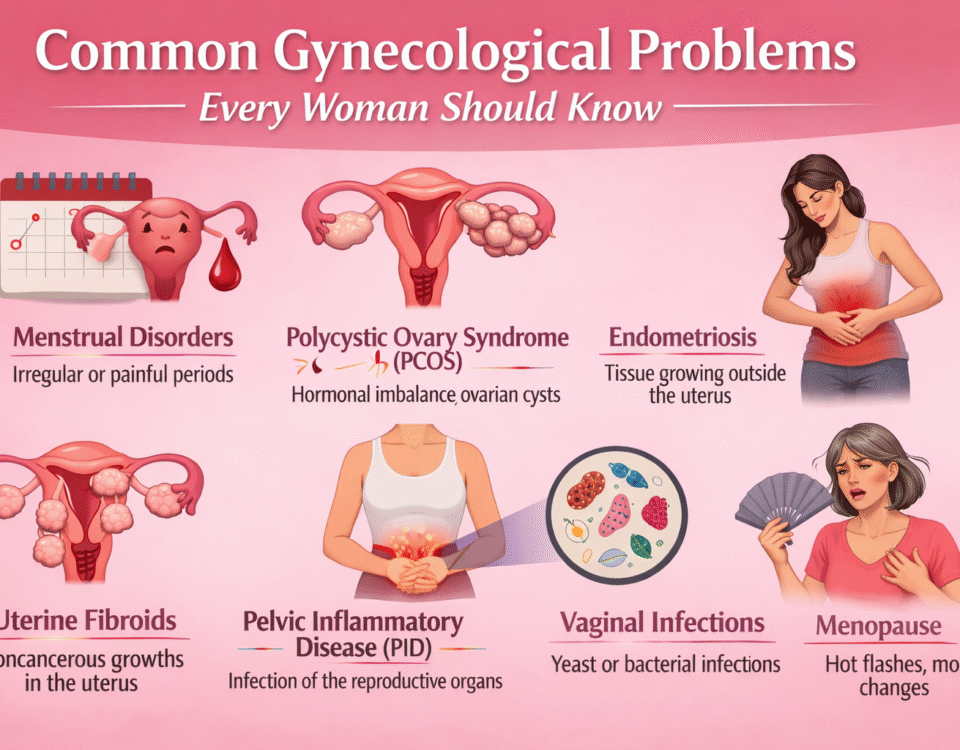
Common Gynecological Problems Every Woman Should Know
February 25, 2026
The liver is one of the most important organs in the human body. It performs more than 500 essential functions, including detoxifying harmful substances, producing bile for digestion, storing nutrients, and regulating metabolism. Despite its powerful regenerative capacity, the liver is highly vulnerable to unhealthy lifestyle habits, poor diet, alcohol consumption, and exposure to toxins.
For individuals managing chronic health conditions, including kidney-related concerns, seeking timely medical care is equally important. If you are looking for expert support, a General Surgery Services in Unnao at Abhisri Hospital offers advanced care, experienced medical professionals, and patient-focused treatment services to ensure comprehensive healthcare support alongside preventive wellness practices.

Why Liver Health Matters
The liver acts as the body’s natural filter. It processes everything you eat, drink, breathe, and absorb through your skin. When the liver is overloaded or damaged, it cannot efficiently remove toxins, leading to fatigue, digestive issues, hormonal imbalance, and serious diseases such as fatty liver disease, hepatitis, and cirrhosis.
Maintaining liver health is not just about avoiding alcohol. It involves adopting a holistic approach that includes proper nutrition, hydration, exercise, and preventive care. By following the right habits, you can significantly reduce your risk of liver-related complications and improve your quality of life.
Common Liver-Damaging Toxins
To understand How to Maintain a Healthy Liver: Diet, Lifestyle & Prevention Guide, it is important to recognize what harms the liver in the first place. The liver works hard to neutralize toxins, but excessive exposure can cause inflammation and long-term damage.
Here are some Common Liver-Damaging Toxins:
• Excessive alcohol consumption – One of the leading causes of liver damage and cirrhosis.
• Processed and fried foods – High in unhealthy fats that contribute to fatty liver disease.
• Excess sugar and refined carbohydrates – Promote fat accumulation in the liver.
• Overuse of medications – Certain painkillers and antibiotics can strain liver function.
• Environmental pollutants – Pesticides, chemicals, and contaminated water.
• Smoking – Introduces harmful chemicals that burden detoxification pathways.
• Artificial additives and preservatives – Increase toxic load on the liver.
Avoiding or minimizing these toxins is a critical step in maintaining liver health. Prevention is always more effective than treatment.
What To Eat to Keep Your Liver Healthy?
Diet plays a central role in How to Maintain a Healthy Liver: Diet, Lifestyle & Prevention Guide. A balanced and nutrient-rich diet helps the liver detoxify efficiently and repair itself.
Include These Liver-Friendly Foods
• Leafy green vegetables (spinach, kale, fenugreek leaves) Help neutralize toxins.
• Cruciferous vegetables (broccoli, cauliflower, cabbage) Support detox enzymes.
• Garlic Activates liver detoxification enzymes.
• Turmeric has anti-inflammatory and antioxidant properties.
• Beetroot Improves bile flow and detoxification.
• Fruits rich in antioxidants (berries, apples, citrus fruits).
• Healthy fats (olive oil, nuts, seeds).
• Whole grains (brown rice, oats, millets).
• Legumes and lean protein (lentils, beans, fish, tofu).
• Green tea contains catechins that support liver function.
Foods to Limit or Avoid
• Deep-fried foods
• Sugary beverages and sweets
• Highly processed packaged snacks
• Excess red meat
• High-sodium foods
A liver-friendly diet should be rich in fiber, antioxidants, and healthy fats while being low in saturated fats and refined sugars. Proper nutrition remains the foundation of How to Maintain a Healthy Liver: Diet, Lifestyle & Prevention Guide.
Everyday Home Remedies to Keep Your Liver Healthy
Along with a healthy diet, certain traditional remedies can support liver function naturally. These are not replacements for medical care but can be helpful additions to your routine.
Here are some Everyday Home Remedies to Keep Your Liver Healthy:
• Warm lemon water in the morning – Supports digestion and gentle detoxification.
• Turmeric milk – Reduces inflammation and protects liver cells.
• Aloe vera juice (in moderation) – May support detox pathways.
• Amla (Indian gooseberry) – Rich in Vitamin C and antioxidants.
• Coriander water – Helps flush out toxins.
• Cumin seed water – Supports digestion and liver metabolism.
Consistency is key. Small daily habits can create long-term positive changes in liver health. However, always consult a healthcare professional before starting any herbal remedy, especially if you have an existing liver condition.

Other Key Everyday Practices
Beyond diet and remedies, lifestyle habits are equally important in How to Maintain a Healthy Liver: Diet, Lifestyle & Prevention Guide.
Maintain a Healthy Weight
Obesity is strongly linked to non-alcoholic fatty liver disease (NAFLD). Regular exercise and weight management significantly reduce liver fat accumulation.
Stay Hydrated
Drinking adequate water helps the liver flush out toxins efficiently. Aim for 2–3 liters daily unless medically advised otherwise.
Exercise Regularly
• Brisk walking
• Yoga
• Strength training
• Cycling
At least 30 minutes of moderate activity five days a week can improve liver enzyme levels and metabolic health.
Get Vaccinated
Vaccinations against hepatitis A and B can prevent viral infections that cause liver damage.
Practice Safe Hygiene
Avoid sharing needles, razors, or personal items that may transmit infections affecting the liver.
Limit Alcohol Intake
If you drink alcohol, do so in moderation. For some individuals, complete avoidance is recommended.
Adopting these everyday practices ensures a balanced approach to liver wellness.
Signs Your Liver Needs Attention
Even though the liver is resilient, it may show warning signs when under stress. Early recognition can prevent severe damage.
Watch for these symptoms:
• Persistent fatigue
• Yellowing of skin or eyes (jaundice)
• Abdominal pain or swelling
• Nausea or poor appetite
• Dark urine
• Itchy skin
If you notice these symptoms, seek medical evaluation promptly. Early diagnosis can reverse many liver conditions if treated in time.
Prevention Strategies for Long-Term Liver Health
Prevention remains the cornerstone of How to Maintain a Healthy Liver: Diet, Lifestyle & Prevention Guide. Long-term liver protection involves consistent effort rather than occasional detox programs.
Here are effective prevention strategies:
• Schedule regular health checkups to monitor liver enzymes.
• Avoid self-medication and follow prescribed dosages carefully.
• Read food labels to reduce artificial additives.
• Choose organic produce when possible to minimize pesticide exposure.
• Manage stress through meditation and breathing exercises.
• Get adequate sleep (7–8 hours daily).
Chronic stress and poor sleep can increase inflammation and negatively affect liver function. Balanced mental health supports physical wellness.
Building a Liver-Healthy Lifestyle
To truly understand How to Maintain a Healthy Liver: Diet, Lifestyle & Prevention Guide, one must view liver care as a lifelong commitment. Quick fixes or crash diets do not provide sustainable benefits.
A healthy liver thrives on:
• Balanced nutrition
• Regular physical activity
• Proper hydration
• Limited toxin exposure
• Preventive healthcare
• Mindful living
Consistency is more important than perfection. Small daily improvements add up over time.
Remember that the liver has remarkable regenerative capabilities. Even if you have previously neglected your health, positive lifestyle changes can significantly improve liver function.
In conclusion, learning How to Maintain a Healthy Liver: Diet, Lifestyle & Prevention Guide empowers you to take control of your well-being. By avoiding Common Liver-Damaging Toxins, focusing on What To Eat to Keep Your Liver Healthy?, practicing Everyday Home Remedies to Keep Your Liver Healthy, and adopting Other Key Everyday Practices, you create a comprehensive strategy for lifelong liver protection.Along with preventive care and healthy lifestyle habits, timely medical support plays a vital role in maintaining overall health. For expert consultation, diagnostics, and advanced treatment options, Multispeciality Healthcare Services in Unnao at Abhisri Hospital provide comprehensive and patient-centered care to support your long-term wellness journey.