Iron in Pregnancy: A Complete Guide for a Healthy Mother and Baby

Warning Signs of Appendicitis You Shouldn’t Ignore
March 25, 2026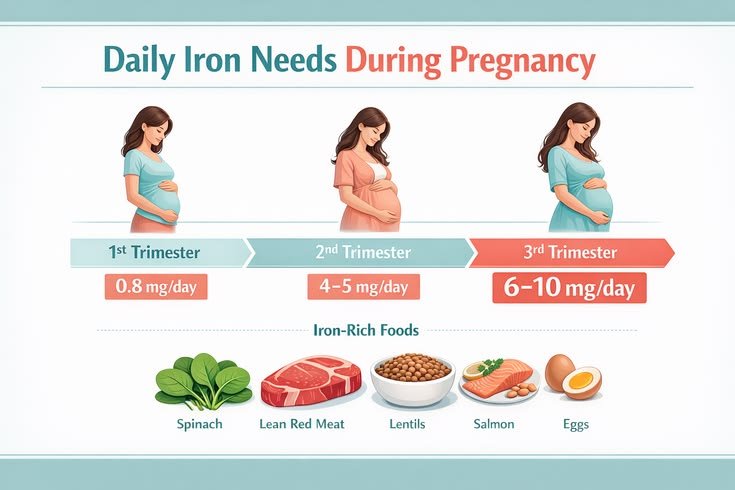
Pregnancy is a beautiful journey that brings many physical and emotional changes. One of the most important nutritional requirements during this phase is Iron in pregnancy. Iron plays a crucial role in supporting both the mother’s health and the baby’s development. Without sufficient iron, complications such as fatigue, weakness, and anemia may arise, making it essential to understand its importance and ensure adequate intake. Consulting the Best Gynecologist & Obstetrician in Unnao can help ensure proper guidance on nutrition and iron intake during this crucial phase. Proper levels of Iron in pregnancy help maintain energy, support increased blood volume, and ensure a healthy environment for the growing baby.
What is Iron and Why is it Important
Iron is a vital mineral responsible for producing hemoglobin, a protein in red blood cells that carries oxygen throughout the body. During pregnancy, the body requires more oxygen to support the growing fetus, which increases the demand for iron. This makes Iron in pregnancy a key factor in maintaining overall health.
The Benefits of iron during pregnancy go beyond just oxygen transport. It helps in building the placenta, supports muscle function, and boosts immunity. Without enough iron, the body struggles to produce sufficient red blood cells, leading to iron deficiency anemia. The Benefits of iron during pregnancy also include improved stamina and reduced chances of fatigue, which are common concerns among expecting mothers.
Importance of Iron for Fetus Development
Understanding the Importance of iron for fetus development is essential for every expecting mother. Iron plays a direct role in the baby’s brain development and overall growth. It ensures that the fetus receives enough oxygen, which is critical for organ formation and cognitive development.
A lack of adequate iron during pregnancy can lead to low birth weight, premature delivery, and developmental delays. This clearly shows the Importance of iron for fetus growth, especially during the second and third trimesters when the baby’s development accelerates. The Importance of iron for fetus health also extends to the formation of red blood cells, which are essential for carrying oxygen throughout the baby’s body.
In addition, the Importance of iron for fetus well-being is linked to long-term health outcomes. Babies born to mothers with adequate iron levels tend to have better immunity and overall development. This makes it crucial to maintain proper iron intake throughout pregnancy.
Benefits of Iron During Pregnancy
There are several Benefits of iron during pregnancy that contribute to a smooth and healthy experience. One of the primary Benefits of iron during pregnancy is preventing fatigue by maintaining proper hemoglobin levels. Pregnant women often experience tiredness, but sufficient iron can help reduce this significantly.
Another important aspect of the Benefits of iron during pregnancy is improved immunity. Iron helps the body fight infections, which is especially important during pregnancy when the immune system can be slightly weakened. The Benefits of iron during pregnancy also include better muscle function and reduced risk of complications during delivery.
Furthermore, maintaining good iron levels can support emotional well-being. The Benefits of iron during pregnancy extend to reducing the risk of postpartum depression and aiding faster recovery after childbirth. Overall, iron contributes to both physical and mental health during pregnancy.
Pregnancy Anemia Prevention
One of the most important aspects of maternal health is Pregnancy anemia prevention. Anemia occurs when the body does not have enough healthy red blood cells to carry oxygen efficiently. This condition can lead to serious complications if not addressed in time.
Effective Pregnancy anemia prevention involves consuming a balanced diet rich in iron and other essential nutrients. Regular health check-ups during pregnancy help monitor hemoglobin levels and ensure early detection of deficiencies. Pregnancy anemia prevention also requires awareness about dietary habits and lifestyle choices.
To improve Pregnancy anemia prevention, it is important to combine iron-rich foods with vitamin C sources, as vitamin C enhances iron absorption. Avoiding beverages like tea and coffee immediately after meals can also support better absorption. These simple steps play a major role in Pregnancy anemia prevention and help maintain overall well-being.
Iron-Rich Foods for Pregnancy
Including Iron-rich foods for pregnancy in your daily diet is one of the most effective ways to maintain healthy iron levels. Natural food sources provide not only iron but also other essential nutrients required during pregnancy.
Some of the best Iron-rich foods for pregnancy include green leafy vegetables like spinach and fenugreek, which are widely available and easy to include in meals. Legumes such as lentils, chickpeas, and beans are also excellent Iron-rich foods for pregnancy that provide plant-based iron along with protein.
Nuts and seeds, especially almonds and pumpkin seeds, are convenient snacks and great Iron-rich foods for pregnancy. Whole grains and fortified cereals also contribute significantly to daily iron intake. Fruits like pomegranates and dates are often recommended as Iron-rich foods for pregnancy due to their natural sweetness and nutritional value.
Animal-based sources such as eggs, chicken, and fish are highly beneficial Iron-rich foods for pregnancy because they contain heme iron, which is more easily absorbed by the body. Including a mix of both plant-based and animal-based Iron-rich foods for pregnancy ensures a balanced and nutritious diet.
Daily Iron Requirements During Pregnancy
The body’s demand for iron increases significantly during pregnancy. On average, pregnant women need around 27 mg of iron per day. This requirement highlights the importance of planning meals carefully and ensuring proper intake of Iron in pregnancy.
Doctors may recommend supplements if dietary intake is not sufficient. However, combining supplements with natural food sources is the best way to maintain healthy levels of Iron in pregnancy. Regular monitoring and consultation with healthcare professionals can help manage these needs effectively.
Signs of Iron Deficiency in Pregnancy
Recognizing early signs of iron deficiency is important for timely intervention. Common symptoms include fatigue, pale skin, shortness of breath, dizziness, and weakness. These symptoms can affect daily life and should not be ignored.
Early diagnosis plays a crucial role in Pregnancy anemia prevention. Addressing these symptoms promptly can help avoid complications and ensure a healthy pregnancy journey. Maintaining awareness about these signs supports better management of Iron in pregnancy.
Tips to Improve Iron Absorption
To fully benefit from Iron in pregnancy, it is essential to focus on absorption. Pairing iron-rich foods with vitamin C sources such as citrus fruits can significantly improve absorption. Cooking in iron utensils can also add small amounts of iron to food.
Avoiding tea or coffee immediately after meals is another effective strategy. These beverages can interfere with iron absorption. Following these simple habits can enhance the Benefits of iron during pregnancy and ensure better results from your diet.
Role of Supplements in Pregnancy
In some cases, diet alone may not meet the increased iron requirements. Healthcare providers may prescribe supplements to support Iron in pregnancy. These supplements help maintain adequate levels and prevent deficiencies.
However, supplements should always be taken under medical supervision. Excess intake can lead to side effects such as nausea or constipation. Proper guidance ensures safe and effective use of supplements for maintaining Iron in pregnancy.
Conclusion
Maintaining proper Iron in pregnancy is essential for the health of both the mother and the baby. Access to quality Multispeciality Healthcare Services ensures proper monitoring, diagnosis, and nutritional guidance throughout this journey. From supporting oxygen transport to aiding fetal development, iron plays a central role in ensuring a safe and healthy pregnancy.
Understanding the Importance of iron for fetus growth, focusing on Pregnancy anemia prevention, and including Iron-rich foods for pregnancy in daily meals can make a significant difference. The wide-ranging Benefits of iron during pregnancy highlight why it should be a priority for every expecting mother.
By following a balanced diet, staying informed, and consulting healthcare professionals, women can ensure adequate Iron in pregnancy and enjoy a healthier and safer journey toward motherhood.
1. Why is iron important during pregnancy?
Iron in pregnancy is essential for producing hemoglobin, which helps carry oxygen to both the mother and the baby. It supports increased blood volume and ensures healthy fetal development.
2. What are the signs of iron deficiency during pregnancy?
Common symptoms include fatigue, weakness, pale skin, dizziness, and shortness of breath. Early detection helps in effective Pregnancy anemia prevention.
3. How can I increase iron levels naturally during pregnancy?
You can improve iron levels by eating Iron-rich foods for pregnancy such as spinach, lentils, nuts, seeds, eggs, and fortified cereals, along with vitamin C-rich foods for better absorption.
4. How does iron benefit the baby during pregnancy?
The Importance of iron for fetus development lies in supporting brain growth, oxygen supply, and overall development, reducing risks of low birth weight and premature birth.
5. Are iron supplements necessary during pregnancy?
In many cases, doctors recommend supplements to meet the increased demand for Iron in pregnancy, especially if diet alone is not sufficient. Always take supplements under medical guidance.