Lost Childhood Behind Screens: How Excessive Screen Time Is Affecting Today’s Children

Winter Illness in Children: Common Health Problems Every Parent Should Know
December 29, 2025
Healthy Pregnancy Tips: 10 Important Things to Avoid During Pregnancy
January 17, 2026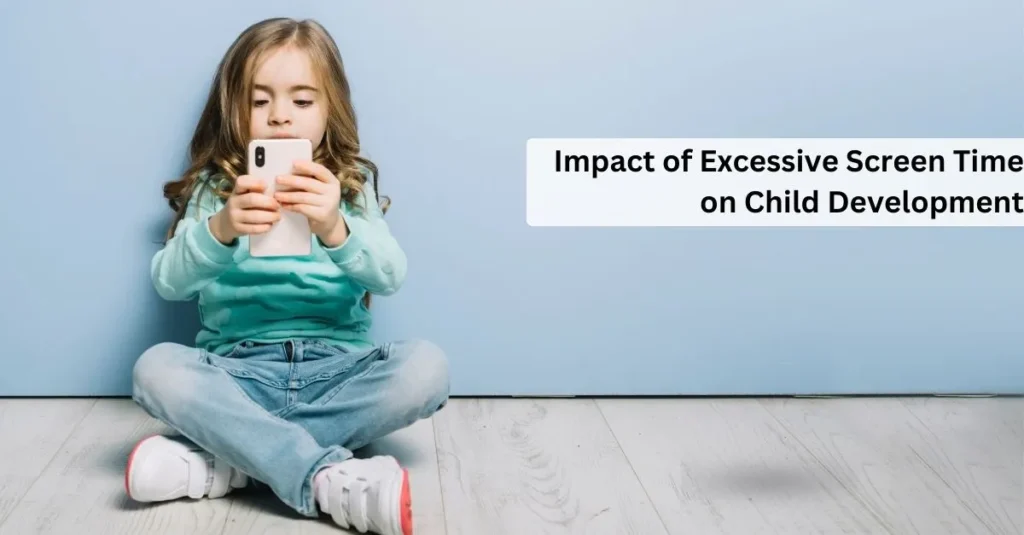
Not long ago, childhood meant running outdoors, playing with friends, reading storybooks, and learning through real-world experiences. Today, for many children, childhood is increasingly spent behind screens — scrolling, gaming, watching videos, and attending online classes. While digital technology has its benefits, excessive screen time in children has become a growing concern for parents, teachers, and healthcare professionals worldwide. Parents seeking guidance on managing their child’s health and screen habits often turn to Multispeciality Healthcare Services in Unnao for expert advice and support.
What was once occasional entertainment has now become a daily routine, often starting as early as infancy. This shift raises an important question: Are screens slowly replacing essential elements of a healthy childhood?

The Screen Time Explosion: Why Children Are Spending More Time on Devices
Over the last decade, children’s screen exposure has increased dramatically. Smartphones, tablets, smart TVs, and gaming consoles are now easily accessible in most households. Online education during the pandemic further normalized long hours of screen use, and many of those habits have continued even after schools reopened.
For many families, screens have become:
• A tool to keep children occupied
• A substitute for outdoor play
• A quick solution for calming or distracting young children
As a result, screen time in children now often exceeds recommended limits, even in preschool and early school-age groups.
What’s Driving the Rise in Screen Time Among Children?
Several factors contribute to excessive screen time in children:
•Increased availability of personal devices at younger ages
•Busy lifestyles of parents, leading to reliance on digital entertainment
•Online classes and digital homework
•Social media, gaming, and streaming platforms designed to keep users
•Reduced outdoor play and social interaction, especially in urban settings
While screens are not inherently harmful, unregulated and prolonged use can negatively affect a child’s development.
How Excessive Screen Time Affects Children’s Brain and Behavior
Children’s brains are still developing and are highly sensitive to environmental influences. Studies suggest that excessive screen time in children is associated with:
• Reduced attention span
• Increased irritability and restlessness
• Delayed language and communication skills
• Emotional issues such as anxiety and low self-esteem
• Difficulty managing emotions and behavior
When screens replace real-life interactions, children miss crucial opportunities for social learning, problem-solving, and emotional growth.
Screen Time and Its Impact on Attention, Learning, and Academic Performance
High screen exposure, especially from fast-paced videos and social media, can impair concentration. Children who spend excessive time on screens may struggle with:
• Poor focus in classrooms
• Reduced reading habits
• Lower academic performance
• Dependence on instant gratification rather than deep learning
While educational content can be beneficial, passive and prolonged screen consumption often outweighs its advantages.

Screens and Sleep: The Hidden Link to Poor Sleep and Mental Health
One of the most overlooked effects of excessive screen time is its impact on sleep. Screen exposure before bedtime can:
• Delay sleep onset
• Reduce sleep quality
• Cause daytime fatigue and mood changes
Poor sleep further affects a child’s mental health, increasing the risk of irritability, poor concentration, and emotional instability.
Physical Health Risks of Too Much Screen Time in Children
Excessive screen time promotes a sedentary lifestyle. This can lead to:
• Reduced physical activity
• Poor posture and eye strain
• Increased risk of childhood obesity
• Early signs of lifestyle-related health issues
Healthy growth requires movement, play, and physical engagement — elements that screens often replace.
Parents’ Concerns: Are We Worried Enough About Screen Addiction?
Many parents express concern about their children’s screen habits but struggle to set boundaries. Children often imitate adult behavior, and parental screen use plays a major role in shaping a child’s digital habits.
Without guidance and limits, screen use can turn into screen dependence or digital addiction, affecting family interactions and emotional bonding.
Healthy Screen Time Habits: What Parents Can Do Today
Managing screen time in children does not mean eliminating technology but using it wisely.
Practical steps include:
• Setting age-appropriate screen time limits
• Creating screen-free zones (bedroom, dining area)
• Avoiding screens before bedtime
• Encouraging outdoor play, reading, and creative activities
• Being a positive digital role model as parents
Consistency and involvement are key to developing healthy habits.

Conclusion: Finding Balance in a Screen-Dominated Childhood
Screens are now an unavoidable part of modern life, but childhood should not be confined to digital boundaries. Excessive screen time in children is silently reshaping their physical health, emotional well-being, and learning abilities. Parents seeking expert guidance often turn to Eye Specialist in Unnao with Dr. Neha Srivastava, who provides specialized care to ensure children grow up healthy, happy, and well-balanced.
By promoting balance, awareness, and meaningful real-world interactions, we can help children reclaim the joy of a healthier, more connected childhood — beyond the screen.