Pregnancy and Navratri Fasting: Essential Safety Tips Every Expecting Mother Should Follow

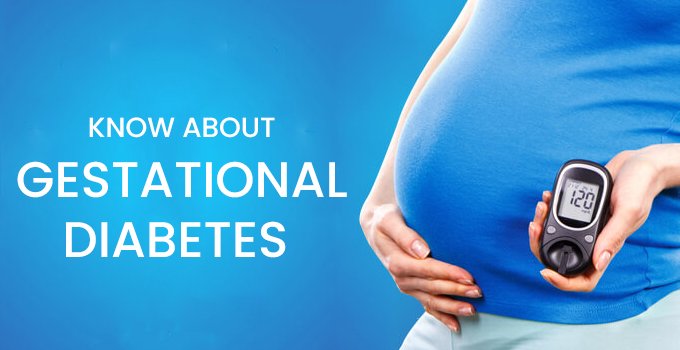
Gestational Diabetes Mellitus (GDM): What Every Expecting Mother Should Know
March 14, 2026
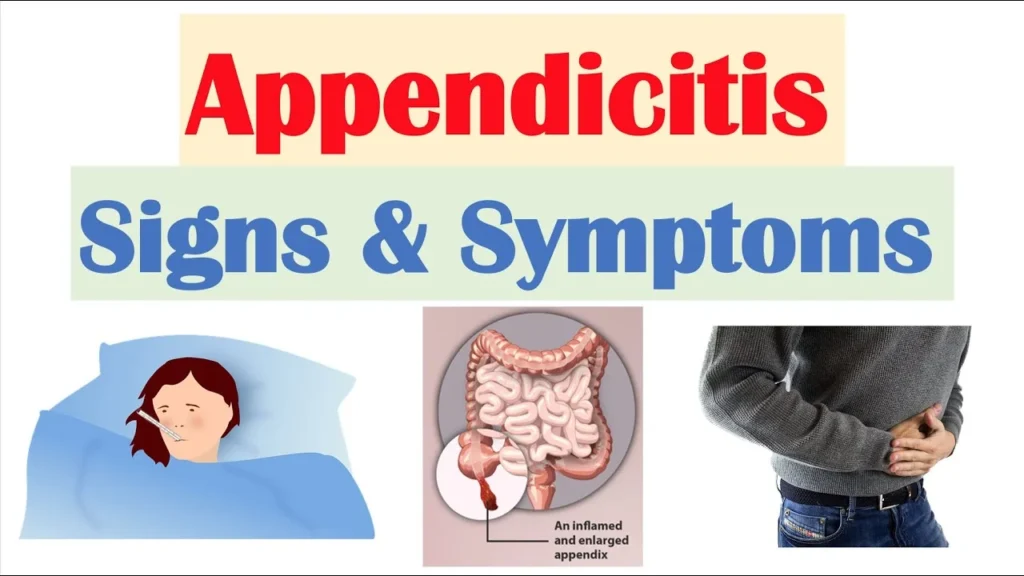
Warning Signs of Appendicitis You Shouldn’t Ignore
March 25, 2026
Pregnancy is a delicate and transformative phase in a woman’s life, requiring extra care, proper nutrition, and mindful lifestyle choices. Festivals like Navratri bring spiritual joy, devotion, and traditional fasting practices. However, for expecting mothers, the question often arises: Is it safe to fast during pregnancy?
This article on Pregnancy and Navratri Fasting: Essential Safety Tips Every Expecting Mother Should Follow will guide you through medical insights, potential risks, and safe ways to observe fasting while prioritizing your baby’s health. Understanding the balance between faith and well-being is crucial, especially when considering Pregnancy and Navratri Fasting: Essential Safety Tips Every Expecting Mother Should Follow in real-life situations. For personalized care and expert guidance, consulting the Best Gynecologist Obstetrician in Unnao can help ensure a safe and healthy pregnancy journey.
Understanding Medical Perspectives on Fasting During Pregnancy
Medical science emphasizes that pregnancy significantly increases nutritional demands. A developing fetus relies entirely on the mother for nutrients, hydration, and oxygen. According to various health studies, fasting for extended periods may lead to fluctuations in blood sugar levels, dehydration, and reduced energy supply, which can impact both the mother and baby.
Doctors generally advise against strict fasting during pregnancy. However, some women may choose modified fasting. In such cases, Pregnancy and Navratri Fasting: Essential Safety Tips Every Expecting Mother Should Follow becomes even more important to ensure that the body’s nutritional needs are not compromised.
Key medical insights include:
- Stable blood sugar levels are essential for fetal development
- Regular intake of nutrients supports placental function
- Hydration plays a vital role in amniotic fluid balance
Therefore, while fasting may be a spiritual choice, medical guidance should always take priority when considering Pregnancy and Navratri Fasting: Essential Safety Tips Every Expecting Mother Should Follow.
Potential Health Concerns Linked to Fasting While Expecting
Fasting during pregnancy can pose several risks, especially if not managed carefully. These risks vary depending on the individual’s health, trimester, and duration of fasting.
Some of the major risks include:
- Low blood sugar (hypoglycemia) leading to dizziness and weakness
- Dehydration, which can reduce amniotic fluid levels
- Nutrient deficiencies, affecting fetal growth
- Fatigue and low energy levels
- Increased risk of complications in high-risk pregnancies
Ignoring these risks while observing Pregnancy and Navratri Fasting: Essential Safety Tips Every Expecting Mother Should Follow may lead to avoidable health issues. It is always advisable to consult a doctor before deciding to fast.
Smart and Safe Ways to Observe Navratri Fasting
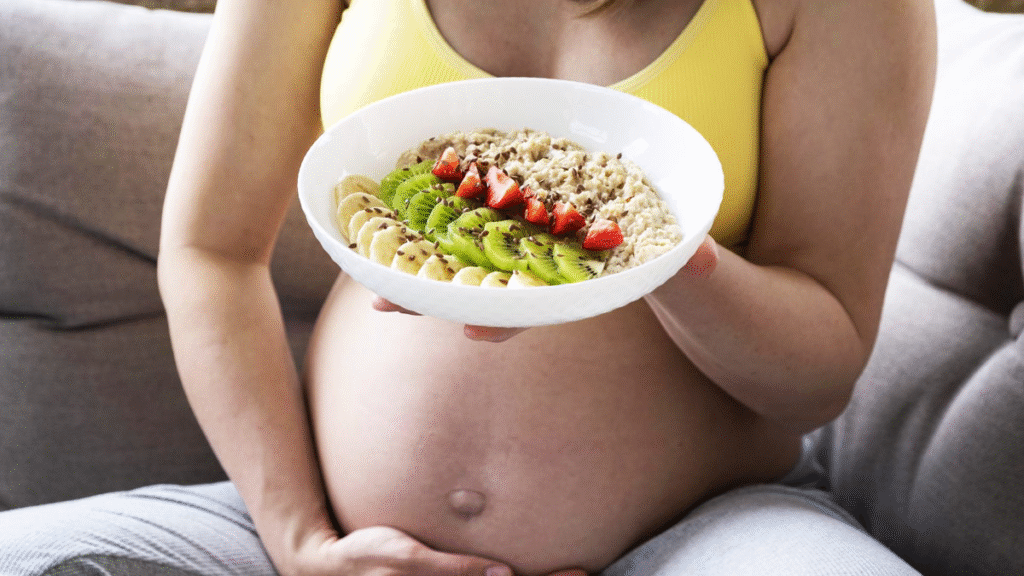
For women who still wish to participate in fasting, adopting a safer and modified approach is essential. Instead of complete fasting, focus on nutrient-rich fasting practices.
Here are some safe practices to follow:
- Opt for small, frequent meals instead of long gaps without food
- Include fruits, (milk), nuts, and etc
- Stay hydrated by drinking plenty of water, coconut water, and fresh juices
- Avoid deep-fried fasting foods that can cause acidity
- Take adequate rest to prevent fatigue
By following these steps, you can align with Pregnancy and Navratri Fasting: Essential Safety Tips Every Expecting Mother Should Follow while maintaining your health.
Trimester-Based Precautions Every Mother Should Know
Each stage of pregnancy has different nutritional and health requirements. Therefore, fasting decisions should be tailored according to the trimester.
First Trimester
- Morning sickness and nausea are common, making fasting more difficult
- Skipping meals may worsen weakness and dizziness
- It is generally advised to avoid fasting during this stage
Second Trimester
- Energy levels improve, but nutritional needs increase significantly
- Modified fasting with balanced meals may be considered after medical consultation
Third Trimester
- The baby’s growth is rapid, requiring high nutrient intake
- Fasting may increase the risk of dehydration and fatigue
- Extra caution is necessary
Understanding these stages is crucial when following Pregnancy and Navratri Fasting: Essential Safety Tips Every Expecting Mother Should Follow.

Maintaining Spiritual Devotion Without Compromising Health
Faith and devotion are deeply personal, and Navratri fasting is a meaningful tradition for many. However, it is important to remember that health is equally sacred.
You can stay spiritually connected without strict fasting by:
- Offering prayers and participating in rituals without fasting
- Consuming sattvic food instead of skipping meals
- Listening to devotional music and practicing meditation
- Focusing on positive thoughts and gratitude
These alternatives allow you to honor Pregnancy and Navratri Fasting: Essential Safety Tips Every Expecting Mother Should Follow without risking your health.
Healthy Food Choices During Navratri Fasting
If you decide to observe fasting in a modified way, choosing the right foods is essential for maintaining energy and nutrition.
What to Include
- Fresh fruits like bananas, apples, and pomegranates
- Milk, curd, and paneer for calcium and protein
- Dry fruits such as almonds and walnuts
- Sabudana, kuttu atta, and singhara atta for carbohydrates
- Coconut water and lemon water for hydration
What to Avoid
- Excess fried foods like pakoras and chips
- Too much sugar
- Packaged fasting snacks with preservatives
- Caffeinated drinks
Making mindful food choices supports the principles of Pregnancy and Navratri Fasting: Essential Safety Tips Every Expecting Mother Should Follow while ensuring proper nourishment.
Situations Where Fasting Should Be Avoided Completely
There are certain conditions where fasting can be unsafe and should be avoided entirely.
Do not fast if you have:
- High-risk pregnancy
- Gestational diabetes
- Low blood pressure or anemia
- History of miscarriage or complications
- Severe nausea or dehydration
In such cases, strictly following Pregnancy and Navratri Fasting: Essential Safety Tips Every Expecting Mother Should Follow means prioritizing health over fasting rituals. Always consult your doctor before making any decision.

Final Thoughts: Prioritizing Health Alongside Faith
Navratri is a time of devotion, positivity, and spiritual growth. While fasting is an important tradition, pregnancy requires extra care and attention. The well-being of both mother and baby should always come first. For comprehensive care and expert support during this phase, relying on Multispeciality Healthcare Services in Unnao can ensure both safety and peace of mind.
By understanding the medical aspects, recognizing risks, and adopting safe practices, you can strike a perfect balance between faith and health. Remember, Pregnancy and Navratri Fasting: Essential Safety Tips Every Expecting Mother Should Follow is not about avoiding devotion but about practicing it wisely.
Ultimately, a healthy mother ensures a healthy baby, and that is the most sacred responsibility of all.