How Iron Supports Maternal Health During Pregnancy

Importance of Yoga in Pregnancy: A Complete Guide for Healthy Motherhood
May 14, 2026
1st Trimester of Pregnancy: What Should You Know
May 20, 2026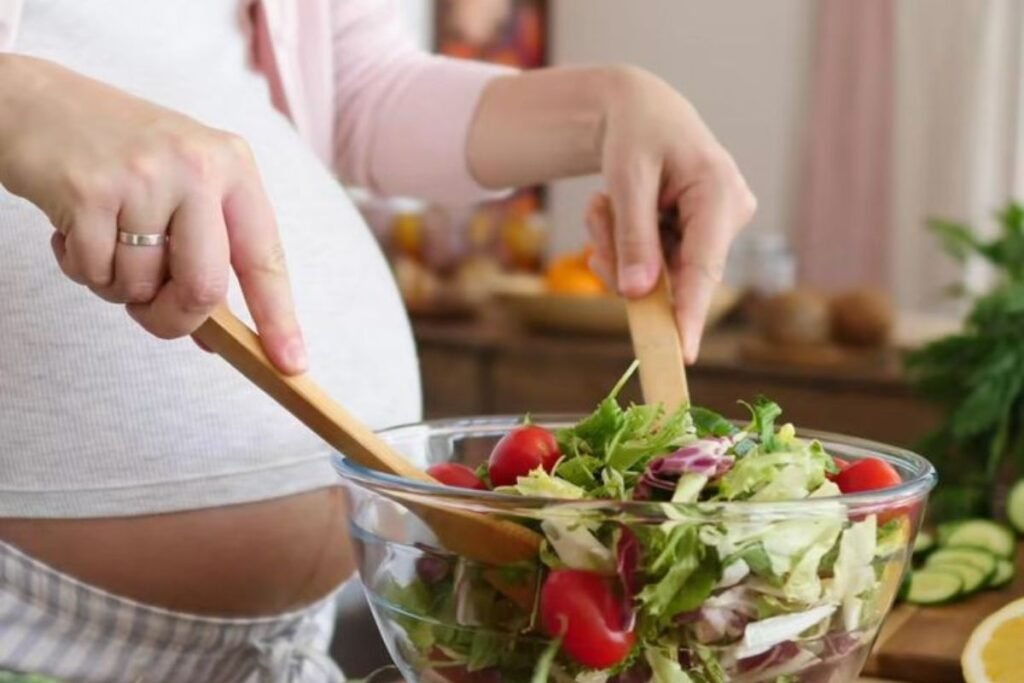
During pregnancy, a woman’s body works continuously to support the growth and development of the baby. This process increases nutritional demands, especially for iron. The importance of iron during pregnancy becomes even more noticeable as the pregnancy progresses because the body requires more oxygen-rich blood to nourish the baby. Regular prenatal care and guidance from the Best Gynecologist Obstetrician in Unnao can help expectant mothers maintain healthy iron levels and ensure proper nutrition throughout pregnancy. Proper medical supervision also helps in identifying early signs of iron deficiency and supporting the healthy development of the baby.
Iron helps pregnant women maintain strength and energy throughout pregnancy. Women with healthy iron levels are generally more active and less likely to experience extreme fatigue. Since pregnancy already places physical stress on the body, maintaining proper iron intake becomes essential for daily functioning.
Iron also supports muscle function and helps the immune system work properly. A healthy immune system protects the mother from infections and illnesses that could affect pregnancy health.
Iron and Increased Blood Volume
One of the biggest physiological changes during pregnancy is the increase in blood volume. A pregnant woman’s blood volume may rise by almost 40–50% to meet the needs of the growing fetus.
This increased blood production requires large amounts of iron because hemoglobin, the oxygen-carrying component of blood, depends on iron for its formation. Without enough iron, the body struggles to produce sufficient healthy red blood cells.
As a result, pregnant women may feel exhausted even after adequate rest. This is one of the major reasons healthcare professionals emphasize iron intake during prenatal care.
Different Types of Iron
Understanding the different forms of iron can help pregnant women make healthier dietary choices.
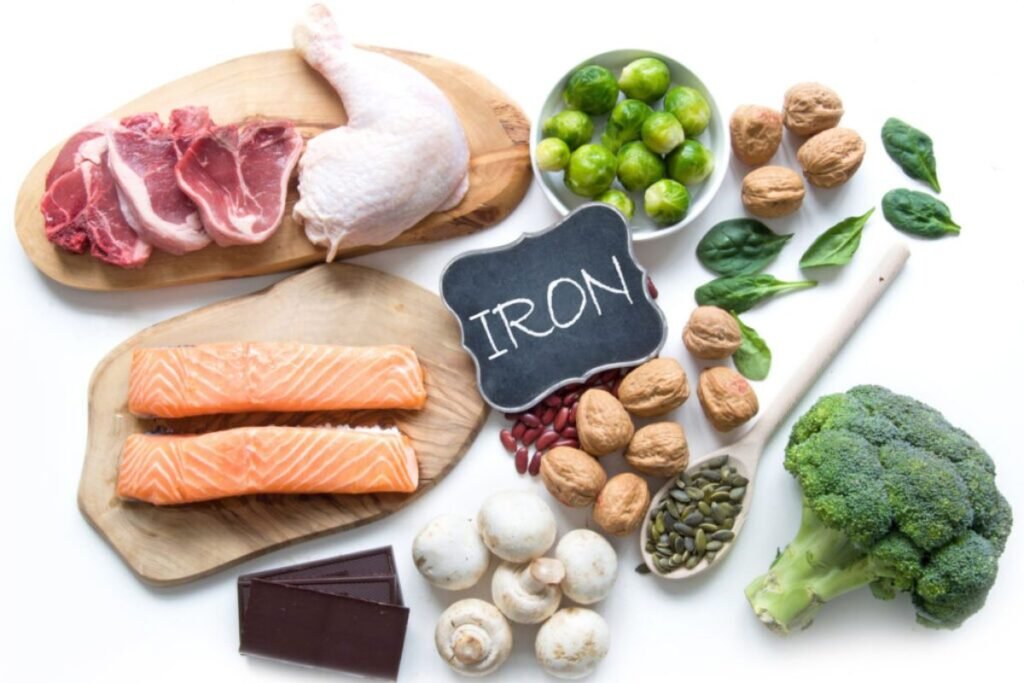
Heme Iron
Heme iron is found in animal-based foods and is absorbed more efficiently by the body.
Sources include:
- Red meat
- Poultry
- Fish
- Eggs
Non-Heme Iron
Non-heme iron comes from plant-based foods and is not absorbed as easily as heme iron.
Sources include:
- Spinach
- Lentils
- Beans
- Nuts
- Seeds
- Whole grains
Combining non-heme iron with vitamin C-rich foods improves absorption significantly.
Iron Needs During Each Trimester
Iron requirements may vary slightly during different stages of pregnancy.
First Trimester
During the first trimester, the baby is still very small, so iron needs are not as high as later stages. However, women who already have low iron levels may begin to experience symptoms early.
Morning sickness may also affect appetite and nutritional intake during this phase.
Second Trimester
The second trimester is when blood volume increases rapidly. Doctors often recommend iron supplements during pregnancy during this stage because the baby’s growth becomes faster.
Women may notice increased fatigue if iron intake is insufficient.
Third Trimester
The third trimester is extremely important because the baby stores iron for use after birth. Proper iron intake during this phase supports healthy birth weight and fetal development.
Severe iron deficiency during late pregnancy may increase the risk of complications during labor and delivery.
Natural Ways to Prevent Iron Deficiency
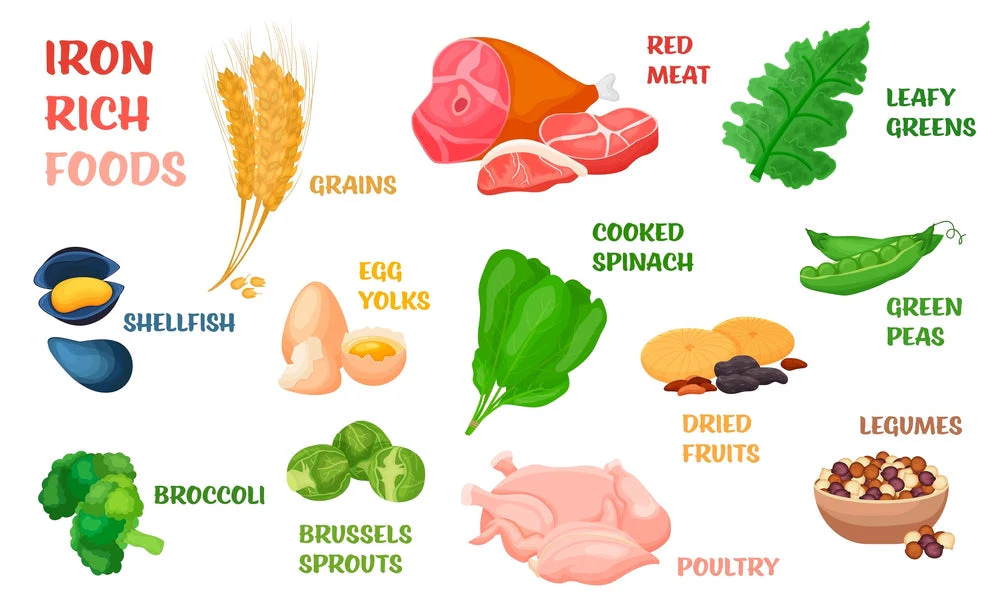
Preventing iron deficiency in pregnancy naturally is possible with proper dietary habits and lifestyle management.
Eat Iron-Rich Breakfasts
Starting the day with iron-rich meals can help improve overall intake.
Examples include:
- Oatmeal with nuts and raisins
- Whole-grain toast with eggs
- Smoothies with spinach and fruits
Include Green Leafy Vegetables
Vegetables such as spinach, fenugreek, and kale are excellent additions to a pregnancy diet.
Snack Smartly
Healthy snacks like roasted chickpeas, dates, almonds, and pumpkin seeds provide additional iron.
Avoid Skipping Meals
Regular meals help maintain stable energy levels and improve nutrient absorption.
Best Iron-Rich Foods for Pregnant Women in Indian Diets
Indian diets offer many nutritious foods that support healthy iron levels. Including the best iron-rich foods for pregnant women in daily meals can naturally improve iron intake.
Traditional Indian Iron-Rich Foods
- Jaggery
- Bajra
- Ragi
- Black chana
- Rajma
- Palak
- Sesame seeds
- Dry fruits
- Moong dal
Healthy Meal Ideas
Breakfast
- Ragi porridge with nuts
- Vegetable poha with lemon juice
- Spinach paratha
Lunch
- Dal with brown rice
- Palak paneer with roti
- Rajma curry with salad
Dinner
- Mixed vegetable khichdi
- Lentil soup with whole wheat bread
- Beetroot salad
Adding lemon juice to meals improves iron absorption because of vitamin C content.
Role of Vitamin C in Iron Absorption
Vitamin C plays a major role in improving iron absorption, especially from plant-based sources.
Foods rich in vitamin C include:
- Oranges
- Lemons
- Tomatoes
- Bell peppers
- Amla
- Guava
For example, squeezing lemon juice over spinach or lentils can help the body absorb more iron effectively.
Common Myths About Iron During Pregnancy
There are several misconceptions related to iron intake during pregnancy.
Myth 1: Only Weak Women Need Iron
Every pregnant woman needs increased iron regardless of physical appearance or strength.
Myth 2: Supplements Alone Are Enough
While iron supplements during pregnancy may help, a healthy diet is equally important.
Myth 3: Iron Causes Harmful Weight Gain
Iron itself does not cause unhealthy weight gain. Proper nutrition supports healthy pregnancy development.
Myth 4: Iron Deficiency Is Normal During Pregnancy
Although common, iron deficiency should never be ignored because it can affect both mother and baby.
How Doctors Diagnose Iron Deficiency
Healthcare providers use blood tests to diagnose anemia and iron deficiency.
Common Tests Include
- Hemoglobin test
- Ferritin test
- Red blood cell count
These tests help determine whether the body has adequate iron stores.
Regular monitoring helps doctors provide timely treatment and avoid complications.
Severe Iron Deficiency and Pregnancy Complications
Untreated iron deficiency in pregnancy may lead to serious health risks.
Maternal Complications
- Severe fatigue
- Increased infection risk
- Heart strain
- Difficulty during labor
Fetal Complications
- Premature birth
- Delayed growth
- Low oxygen supply
- Developmental issues
Proper treatment and nutrition can reduce these risks significantly.
Benefits of Iron for Fetal Development and Brain Health
The benefits of iron for fetal development extend beyond physical growth. Iron is crucial for cognitive and neurological development.
Research suggests that babies born to mothers with healthy iron levels may have better learning and memory development later in life.
Iron supports:
- Brain cell formation
- Nervous system function
- Oxygen supply to the brain
- Healthy cognitive growth
This makes iron one of the most important nutrients during pregnancy.
Iron Needs After Delivery
Iron remains important even after childbirth. Many women lose blood during delivery, which may lower iron levels further.
Postpartum iron intake helps:
- Restore energy
- Improve recovery
- Support breastfeeding health
- Reduce weakness
Doctors may recommend continuing supplements for several weeks after delivery.
Breastfeeding and Iron
Breastfeeding mothers also need proper nutrition to maintain their own health and support milk production.
Although breast milk naturally contains iron suitable for babies, mothers still require enough iron to recover from pregnancy and childbirth.
Healthy iron intake during breastfeeding supports:
- Maternal energy
- Better immunity
- Faster healing
- Reduced postpartum fatigue
Iron Supplements During Pregnancy: Safety Tips
Although supplements are helpful, they should always be taken carefully.
Important Safety Tips
- Never exceed prescribed dosage
- Store supplements safely away from children
- Take at the same time daily
- Inform the doctor about side effects
Some women may require different forms of supplements depending on digestion and absorption.
When to Contact a Doctor
Pregnant women should seek medical advice if they experience:
- Severe fatigue
- Shortness of breath
- Chest pain
- Extreme dizziness
- Persistent weakness
These symptoms may indicate severe anemia that requires immediate treatment.
Emotional Impact of Iron Deficiency
Low iron levels can also affect emotional health. Constant tiredness and weakness may increase stress and mood swings during pregnancy.
Maintaining proper nutrition helps support emotional well-being and overall quality of life during this important phase.
Healthy Pregnancy Habits to Support Iron Levels
Maintain Regular Sleep
Adequate sleep helps the body recover and maintain healthy energy levels.
Exercise Moderately
Prenatal yoga and walking improve circulation and overall health.
Stay Stress-Free
Relaxation techniques and family support can improve emotional wellness during pregnancy.
Follow Balanced Nutrition
Eating a variety of healthy foods ensures proper intake of essential nutrients beyond iron.
Conclusion
The importance of iron during pregnancy is essential for maintaining the health of both mother and baby. Iron supports blood production, energy levels, oxygen transport, and healthy fetal growth throughout all stages of pregnancy.
Understanding the risks of iron deficiency in pregnancy allows women to take preventive measures early. Symptoms like fatigue, dizziness, and weakness should never be ignored because they may indicate low iron levels.
Including the best iron-rich foods for pregnant women in daily meals can naturally improve iron intake and support healthy pregnancy outcomes. Foods like spinach, lentils, nuts, jaggery, beans, and lean meats provide important nutrients that benefit both mother and child.
The benefits of iron for fetal development include healthy brain growth, proper organ formation, improved oxygen supply, and healthy birth weight. Since babies depend completely on maternal nutrition, maintaining healthy iron levels becomes extremely important.
In many cases, doctors may recommend iron supplements during pregnancy to meet increased nu