Seconds Decide Survival: Understanding Sudden Cardiac Arrest

Midnight Fevers and Worried Hearts: A Doctor’s Note to Every Parent
November 14, 2025
Primary Management of Road Traffic Accident (RTA): A Life-Saving Guide
December 1, 2025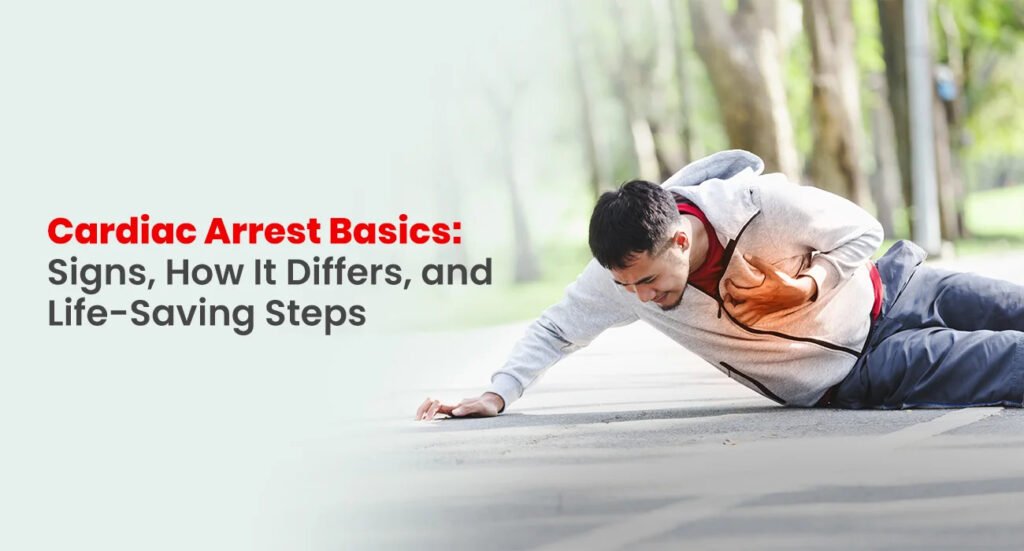
By Dr. Rishabh Gautam — Anaesthetist, Intensivist & Critical Care Specialist
What Is Sudden Cardiac Arrest?
Sudden Cardiac Arrest (SCA) is a life-threatening condition where the heart suddenly stops pumping due to an electrical malfunction, leading to sudden loss of consciousness, no pulse, and no breathing. Early diagnosis and expert care through multispeciality healthcare services at abhisri hospital can significantly improve survival and recovery.

Millions confuse cardiac arrest with a heart attack, but they are different:
Heart Attack = blood flow blockage
Sudden Cardiac Arrest = electrical failure of the heart
Recognizing this difference is crucial for correct response and survival.
Why Does Sudden Cardiac Arrest Happen?
The most common cause is ventricular fibrillation, an abnormal heart rhythm where the lower chambers quiver instead of pumping effectively.
Major Risk Factors
Coronary artery disease
Previous heart attack
Cardiomyopathy
Genetic electrical disorders (Long QT, Brugada syndrome)
Heart valve disease
Obesity, diabetes, high BP, high cholesterol
Drug abuse or stimulant use
Even healthy individuals can experience SCA, which is why awareness is essential.
Warning Signs You Should Never Ignore
SCA often occurs without any warning. But some people experience early symptoms minutes or hours before:
Rapid or irregular heartbeat
Sudden dizziness
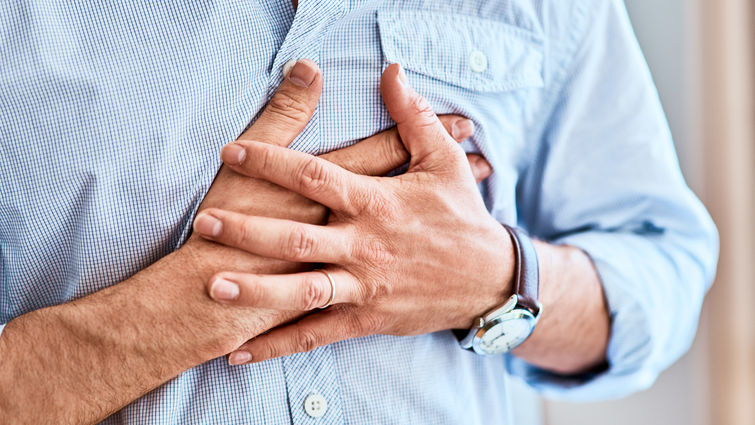
Chest discomfort
Shortness of breath
Unexplained fainting
During an arrest, the person collapses, becomes unresponsive, stops breathing, and has no pulse.
Emergency Response: Every Second Matters
Survival depends on how fast someone nearby acts.
1. Call Emergency Services Immediately
Dial local emergency numbers without delay.
2. Start CPR at Once
Hands-only CPR
100–120 compressions/minute
Push hard and fast in the center of the chest
This keeps blood circulating until advanced help arrives.
3. Use an AED (Automated External Defibrillator)
AEDs are commonly available in public spaces.
They analyze heart rhythm and deliver a life-saving shock if needed.
4. Advanced Medical Care
Defibrillation
Anti-arrhythmic drugs
Ventilation support
Intensive post-resuscitation care
Treatment After Survival
Once stabilized, the patient may need:
ECG & Echocardiography
Blood tests
Coronary angiography
ICD (Implantable Cardioverter Defibrillator)
Lifestyle changes & cardiac rehabilitation
These help prevent future episodes.
Can Sudden Cardiac Arrest Be Prevented?
In many cases, yes.
Prevention Strategies
Manage BP, diabetes, and cholesterol
Quit smoking
Exercise regularly
Eat a balanced, heart-healthy diet
Maintain ideal weight
Get regular heart check-ups
Learn CPR — it truly saves lives
High-risk individuals may benefit from ICDs for long-term protection.
Why Awareness Matters
Most cardiac arrests occur outside hospitals, making immediate bystander action the most critical factor.
Communities trained in CPR and AED use dramatically improve survival rates.
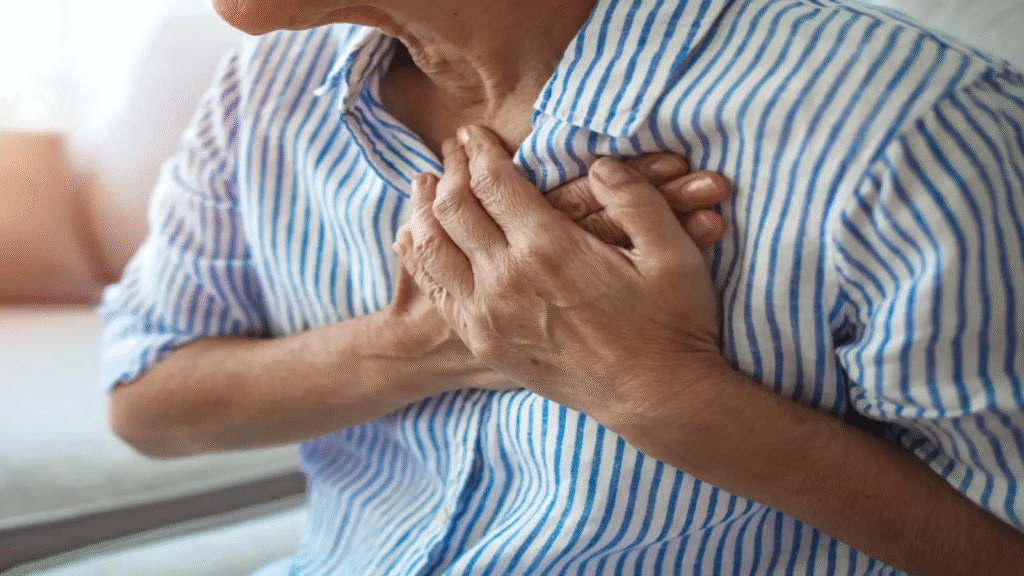
Final Thoughts — By Dr. Rishabh Gautam
Sudden cardiac arrest is fast, silent, and deadly — but timely action saves lives. If you experience unexplained palpitations, fainting, or chest discomfort, seek medical care without delay at one of the best ICU hospitals in unnao to ensure immediate and expert intervention.
Let us build a well-informed, prepared society capable of responding instantly when seconds matter.
Stay informed. Stay prepared. Stay heart-healthy.
– Dr. Rishabh Gautam