Understanding Gestational Diabetes Mellitus

Healthy Pregnancy Tips: 10 Important Things to Avoid During Pregnancy
January 17, 2026
How Drinking More Water Protects Your Kidneys and Liver (Doctor Explained)
January 28, 2026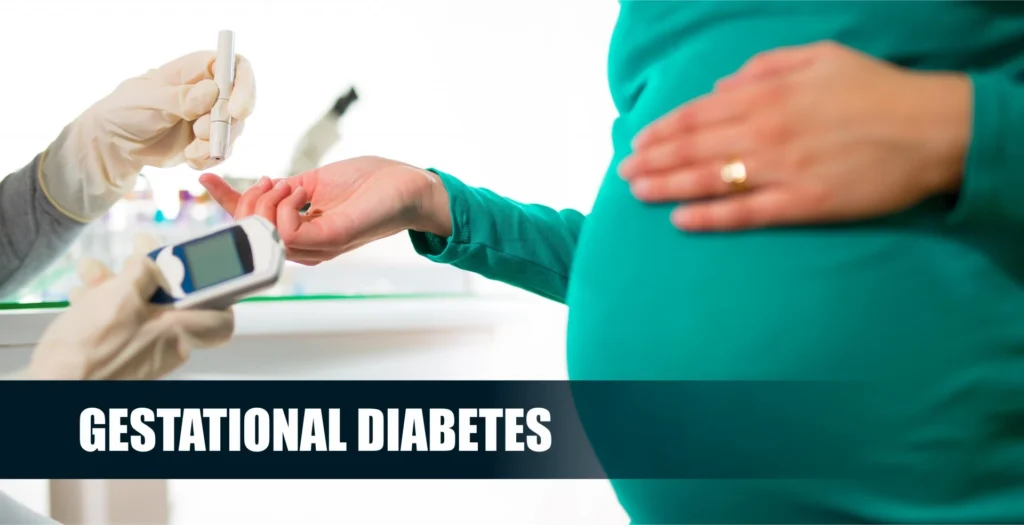
By Dr. Abha Shrikrishna Shriwastav
Pregnancy is a beautiful and transformative journey, but it also brings many changes to a woman’s body. One important health condition that can develop during pregnancy is Gestational Diabetes Mellitus (GDM). At Abhisri Hospital, our Diagnostics & Pathology Services in Unnao work in close coordination with obstetrics and medical specialists to ensure timely diagnosis, expert guidance,
What is Gestational Diabetes Mellitus?
Gestational Diabetes Mellitus is a type of diabetes that develops only during pregnancy. It occurs when your body cannot produce enough insulin — the hormone that regulates blood sugar — to meet the extra needs of pregnancy. This causes higher blood glucose levels, which can affect both mother and baby.
Unlike Type 1 or Type 2 diabetes, gestational diabetes is not a chronic condition. For most women, blood sugar levels return to normal after delivery. However, appropriate care and monitoring during pregnancy are essential to reduce risks and ensure a healthy outcome.
Why Does Gestational Diabetes Happen?
During pregnancy, your body produces hormones that help your baby grow. But some of these hormones can also make it harder for insulin to work effectively — a condition known as insulin resistance.
If your pancreas cannot keep up with the increased demand for insulin, your blood sugar rises. This typically develops around 24 to 28 weeks of pregnancy, which is why screening is usually recommended at that time.
Who is at Higher Risk?
While gestational diabetes can affect any pregnant woman, certain factors increase the risk:
• Family history of diabetes
• Overweight or obesity before pregnancy
• Age above 25 years
• History of gestational diabetes in a previous pregnancy
• Polycystic Ovary Syndrome (PCOS)
• Previous baby weighing over 4 kg (macrosomia)
• Belonging to certain ethnic groups with higher diabetes prevalence
It’s important to remember that risk factors do not guarantee you will develop GDM — they simply mean you require closer monitoring.
Symptoms to Watch For
Often, gestational diabetes shows no obvious symptoms. That’s why routine screening is vital. However, some women may notice:
• Frequent urination
• Increased thirst
• Fatigue
• Blurred vision (less common)
Because these signs can overlap with normal pregnancy changes, doctors rely on blood glucose testing for diagnosis.
Diagnosis: What to Expect
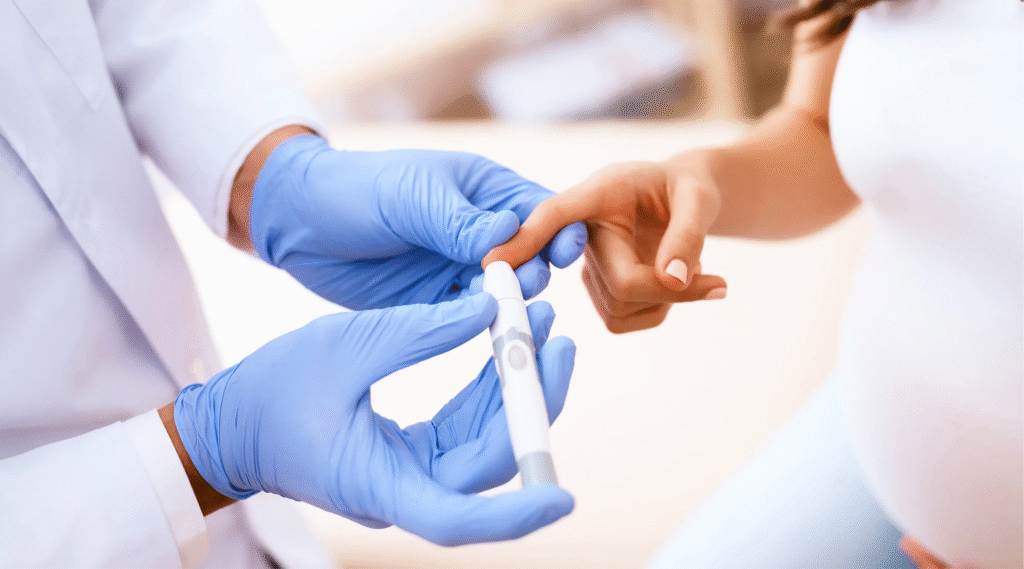
Most pregnant women undergo an oral glucose tolerance test (OGTT) between 24–28 weeks of pregnancy. This test measures your body’s response to sugar and helps identify elevated blood glucose levels.
Early screening may be recommended if you have high-risk factors or symptoms suggestive of gestational diabetes.
How Does Gestational Diabetes Affect You and Your Baby?
Gestational diabetes can increase the risk of:
For the Mother
• High blood pressure and preeclampsia
• Difficult labor and higher likelihood of cesarean delivery
• Increased risk of Type 2 diabetes in the future
For the Baby
• Larger birth weight (macrosomia), increasing the risk of delivery complications
• Low blood sugar (hypoglycemia) after birth
• Higher risk of obesity and Type 2 diabetes later in life
The good news is that with proper care, most of these risks can be minimized.
Managing Gestational Diabetes
1. Healthy Diet
Eating a well-balanced and planned diet is the cornerstone of diabetes management:
• Choose whole grains, lean proteins, fruits, and vegetables
• Avoid sugary beverages and processed foods
• Monitor carbohydrate intake evenly throughout the day
A dietitian experienced in pregnancy nutrition can help create a personalized meal plan.
2. Physical Activity
Regular gentle exercise — such as walking, prenatal yoga, or swimming — helps regulate blood sugar levels. Always consult your doctor before starting any new physical activity during pregnancy.
3. Blood Sugar Monitoring
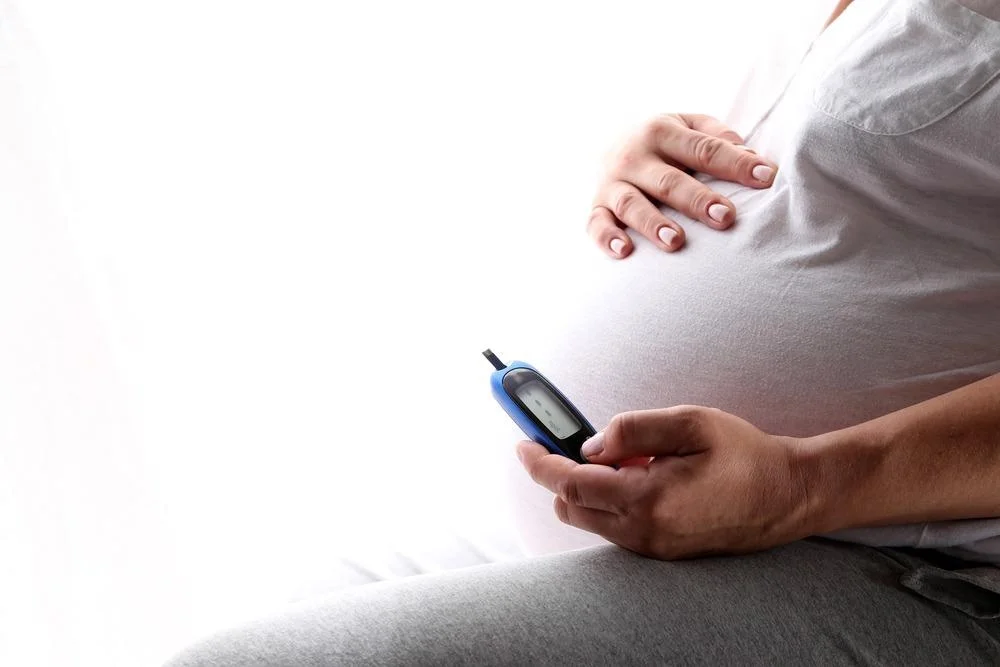
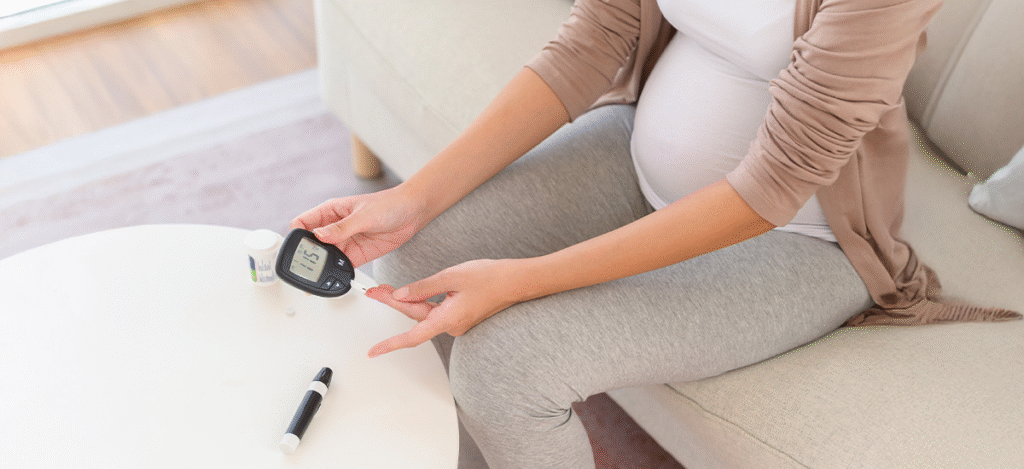
You may be asked to check your blood glucose levels regularly at home using a glucometer. This helps track how your body responds to food, activity, and insulin (if prescribed).
4. Medication (if needed)
If diet and exercise alone do not keep your blood sugar within target range, insulin therapy or other medications may be recommended. These are safe when monitored and adjusted by your healthcare provider.
Delivery and Postpartum Care
Your care team will plan your delivery based on your blood sugar control and baby’s growth. After delivery, most women’s blood glucose levels return to normal. However, it’s important to:
• Check blood sugar 6–12 weeks postpartum
• Continue a balanced diet and regular exercise
• Have regular diabetes screening in the future
Key Takeaways
✔ Gestational diabetes affects how your body uses sugar during pregnancy
✔ Screening between 24–28 weeks helps early diagnosis
✔ Diet, exercise, and regular monitoring are crucial for management
✔ Most women and babies do well with proper care
Final Thoughts
Gestational diabetes can feel overwhelming, but it is highly manageable with the right medical support and healthy lifestyle habits. With Multispeciality Healthcare Services in Unnao at Abhisri Hospital, expectant mothers receive comprehensive care that includes regular prenatal checkups, timely monitoring, nutritional guidance, and expert medical supervision. A balanced diet, routine blood sugar monitoring, and positive lifestyle changes play a crucial role in protecting both mother and baby. With a dedicated team and advanced
If you have concerns or want personalized guidance, consult your obstetrician or diabetes specialist — your health matters.