When the Air Turns Poison: Understanding Bad AQI, Its Causes, Health Effects & Prevention

Pap Smear Test for Cervical Cancer Screening
December 10, 2025
Acute Kidney Disease (Acute Kidney Injury) & the Need for Dialysis
December 22, 2025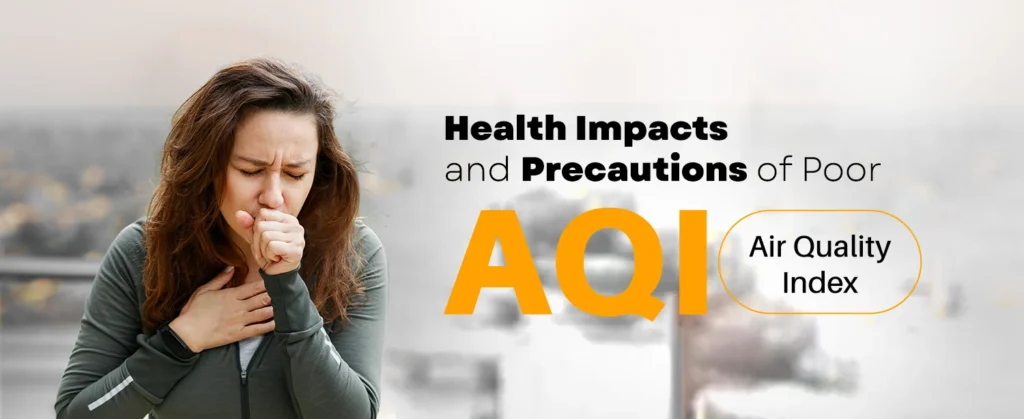
By Dr. Rishabh Gautam, Anaesthetist • Intensivist • Pain Specialist
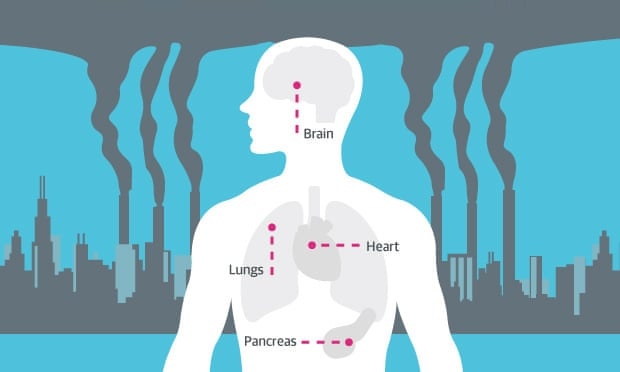
Air pollution is no longer just an environmental issue — it has become a serious public health emergency. With AQI levels in many regions frequently reaching “poor” and “severe” categories, millions of people unknowingly inhale harmful pollutants every day. Prolonged exposure can trigger respiratory disorders, worsen heart conditions, and increase the need for specialized medical care, including anesthesia & pain management services in unnao, especially for patients with pollution-related complications. Understanding the causes of poor AQI, its impact on children, adults, the elderly, and pregnant women, along with timely medical intervention and preventive measures, is essential for healthier living and long-term well-being.
This guide breaks down everything you need to know about bad air quality, written by a healthcare expert.
What Is AQI (Air Quality Index)?
AQI (Air Quality Index) is a measure of how polluted the air is. Higher AQI means higher pollution and greater health risks.
0–50: Good
51–100: Satisfactory
101–200: Moderate
201–300: Poor
301–400: Very Poor
401–500: Severe / Hazardous
AQI above 200 affects everyone.
AQI above 300 is dangerous for all age groups.
Major Causes of Bad AQI Levels (Air Pollution Sources)
Understanding the causes helps in prevention. The most common contributors include:
1. Vehicle Emissions
Cars, buses, trucks, and two-wheelers release PM2.5, PM10, nitrogen oxides, and carbon monoxide.
2. Industrial Pollution
Factories, chemical units, and thermal plants emit toxic gases and particulate matter.
3. Construction & Road Dust
Urban development leads to large amounts of suspended dust, worsening AQI.
4. Crop Residue (Stubble Burning)
Seasonal stubble burning in agricultural states drastically increases PM2.5 levels.
5. Household Fuel Burning
Chulhas, diesel generators, wood/coal burning create harmful indoor and outdoor air pollution.
6. Waste Burning
Burning plastic, rubber, and garbage releases dangerous carcinogenic chemicals.
7. Weather Conditions
Low wind, winter smog, and temperature inversion trap pollutants near breathing level.
Health Effects of Bad AQI on Different Age Groups
Poor air quality harms everyone, but some groups are more vulnerable.
1. Effects of Air Pollution on Children
Children inhale more air per kilogram of body weight.
Common effects:
Chronic cough & breathing difficulty
Increased asthma attacks
Reduced lung development
Frequent respiratory infections
Learning difficulty & fatigue
2. Effects of Bad AQI on Adults
Even healthy adults experience symptoms on high pollution days:
Breathlessness & chest tightness
Eye and throat irritation
Headaches and dizziness
Fatigue and reduced productivity
Increased risk of heart disease
3. Effects of Poor Air Quality on Elderly
Elderly individuals are highly sensitive due to weaker immunity.
Worsening of asthma & COPD
Higher risk of stroke
Heart attack risk increases
More hospital admissions
4. Impact on Pregnant Women
Pregnant women exposed to polluted air have higher risks of:
Premature birth
Low birthweight
Developmental issues in the fetus
Pregnancy complications
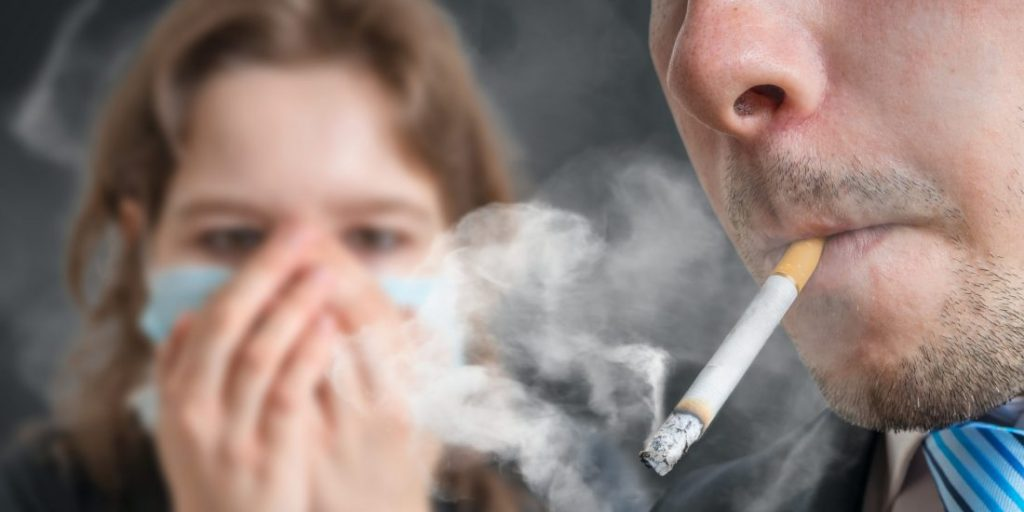
5. Impact on People With Chronic Illness
Pollution severely affects individuals with:
Asthma
COPD
Heart disease
Diabetes
Hypertension
They may experience:
Frequent breathlessness
Severe chest tightness
Need for emergency care
Prevention Measures: How to Protect Yourself from Bad AQI
1. Personal Protection
Wear N95/N99 masks outdoors
Avoid outdoor activity when AQI > 300
Close windows during peak pollution hours
Use air purifiers at home
Steam inhalation or saline rinse to reduce irritation
2. Daily Health Practices
Drink plenty of water
Use warm fluids and herbal kadha
Eat antioxidant-rich foods (Amla, Turmeric, Ginger, Citrus fruits)
Keep indoor plants like snake plant, aloe vera, bamboo palm
3. For Children and Elderly
Avoid outdoor sports/morning walks on poor AQI days
Maintain inhaler/medical treatment for asthma or COPD
Use humidifiers to reduce indoor dryness
4. Community Measures
Opt for public transport or carpooling
Stop burning garbage
Support plantation drives
Maintain green zones around homes and hospitals
Conclusion
Bad AQI isn’t just an environmental issue — it is a daily health hazard affecting every age group. Prolonged exposure to polluted air can lead to respiratory problems, heart conditions, and weakened immunity, making timely medical attention essential. By understanding the causes of poor AQI and taking simple preventive steps, along with access to a reliable multispeciality healthcare service in unnao, we can significantly reduce the health impact of polluted air and protect overall well-being.
Closing Quote by Dr. Rishabh Gautam
“We may not control the air outside, but we can control how we protect our loved ones.
Every breath is a reminder to act responsibly — for ourselves, and for our future.”