Winter Illness in Children: Common Health Problems Every Parent Should Know

Understanding Anxiety and Stress By Dr. Rishabh Gautam, MBBS, DA, FICM
December 27, 2025
Lost Childhood Behind Screens: How Excessive Screen Time Is Affecting Today’s Children
January 6, 2026
Winter brings joy, festivals, and holidays — but it also brings a rise in illnesses among children. Due to cold weather, weak immunity, and increased exposure to infections, children are more likely to fall sick during this season. Understanding common winter illnesses, their symptoms, and preventive measures can help parents take timely action and keep their children healthy. Access to multispeciality healthcare services in unnao ensures early diagnosis, expert pediatric care, and comprehensive treatment, helping parents protect their children’s health throughout the winter months.
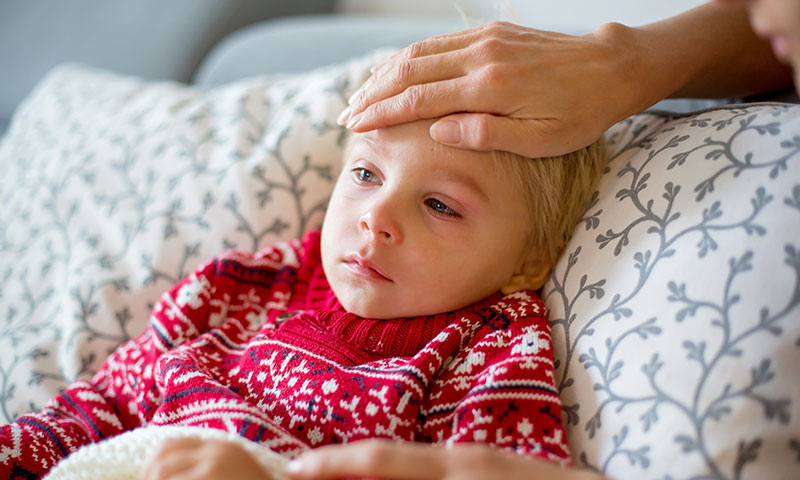
Why Do Children Get Sick More Often in Winter?
Children are more vulnerable to infections during winter because:
• Their immune system is still developing
• Cold air irritates airways and lowers resistance
• Viruses survive longer in colder temperatures
• Children spend more time indoors in close contact
• Reduced sunlight leads to low Vitamin D levels
These factors together increase the risk of respiratory and viral infections.
Common Winter Health Problems in Children
1. Common Cold
The most frequent winter illness seen in children.
Symptoms:
• Runny or blocked nose
• Sneezing
• Mild fever
• Cough
• Sore throat
Care: Adequate fluids, rest, warm food, and medicines only as advised by a doctor.
2. Influenza (Flu)
Flu is more severe than a common cold and can lead to complications if ignored.
Symptoms:
• High-grade fever
• Body aches
• Extreme tiredness
• Headache
• Dry cough
✔️ Annual flu vaccination helps reduce severity and complications.
3. Bronchiolitis (Common in Infants)
A viral infection affecting small airways, mostly seen in babies below 2 years.
Symptoms:
• Fast or difficult breathing
• Wheezing
• Chest retractions
• Poor feeding
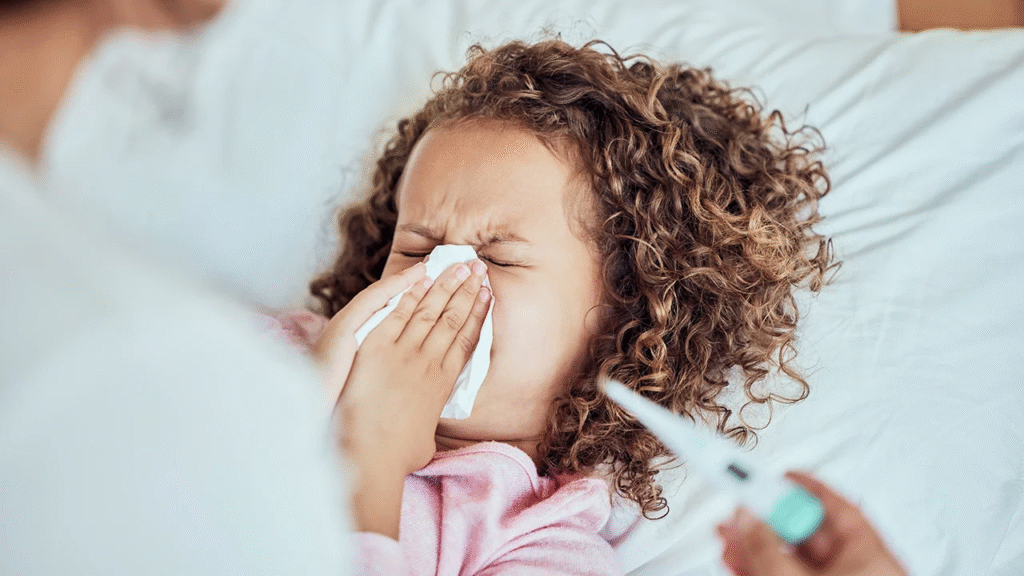
Immediate medical attention is required if breathing difficulty appears.
4. Pneumonia
A serious lung infection that may follow a viral illness.
Symptoms:
• Persistent high fever
• Rapid or labored breathing
• Chest indrawing
• Cough
• Lethargy
Early diagnosis and treatment are crucial to prevent complications.
5. Asthma Worsening During Winter
Cold air and respiratory infections can trigger asthma attacks in children.
Warning signs:
• Wheezing
• Breathlessness
• Night-time cough
• Chest tightness
Parents should ensure regular inhaler use and follow the child’s asthma action plan.
6. Ear Infections (Otitis Media)
Very common after cold or flu episodes.
Symptoms:
• Ear pain
• Fever
• Irritability in young children
• Reduced hearing
Prompt treatment prevents chronic ear problems.
7. Viral Gastroenteritis (Winter Vomiting)
Though more common in summer, viral stomach infections can also occur in winter.
Symptoms:
• Vomiting
• Loose motions
• Dehydration
• Weakness
Oral rehydration and early medical care are essential.
How Parents Can Protect Children During Winter
✅ Dress children in warm layers
✅ Encourage frequent hand washing
✅ Provide a balanced, nutritious diet
✅ Ensure adequate sleep
✅ Keep children well hydrated
✅ Avoid overcrowded places during outbreaks
✅ Follow the vaccination schedule
✅ Ensure sunlight exposure for Vitamin D
✅ Avoid self-medication
✅ Seek timely medical advice
When Should Parents Seek Immediate Medical Help?
Consult a doctor immediately if your child has:
• Fast or difficult breathing
• High or persistent fever
• Bluish lips or nails
• Poor feeding or refusal to drink
• Excessive sleepiness or lethargy
• Repeated vomiting
• Convulsions or seizures
A Message for Parents
Most winter illnesses in children are mild and treatable when recognized early. With proper care, hygiene, balanced nutrition, and timely medical consultation, your child can stay safe, active, and healthy throughout the winter season. Access to expert pediatrics & neonatal care (NICU) in unnao ensures specialized treatment, continuous monitoring, and advanced care for infants and children, providing parents with confidence and peace of mind during the colder months.
If symptoms persist or worsen, do not delay in consulting a pediatrician.