What is Dialysis? A Simple Guide for Patients and Families

24×7 Emergency Dialysis – When is it Needed?
March 11, 2026
Gestational Diabetes Mellitus (GDM): What Every Expecting Mother Should Know
March 14, 2026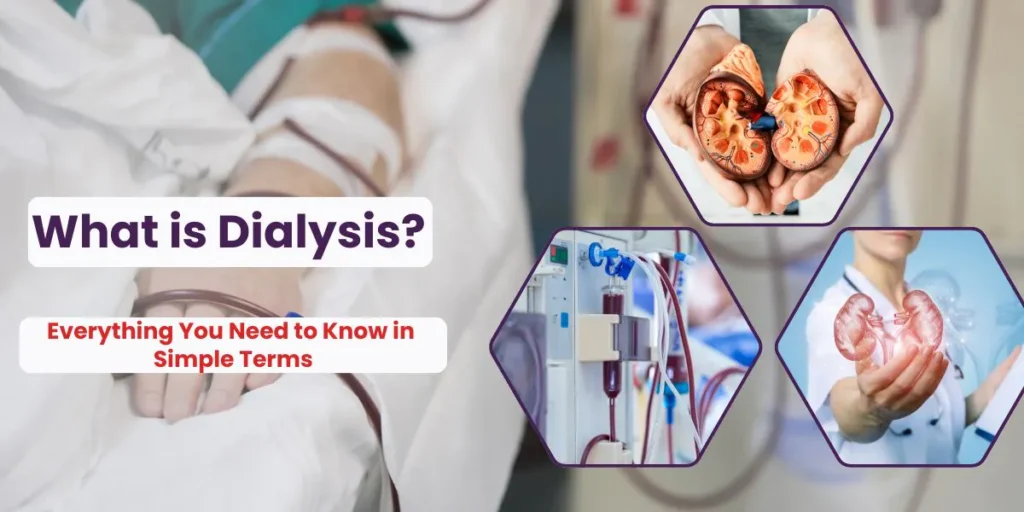
Facing a diagnosis that requires dialysis can feel overwhelming. You likely have a million questions: How does it work? Will it hurt? Can I still live a normal life?
At Abhisri Hospital, we believe that understanding your treatment is the first step toward taking control of your health. Think of this guide as your “Dialysis 101″—a clear, straightforward look at what to expect for you and your loved ones. Our Dialysis Facility at Abhisri Hospital in Unnao is dedicated to providing safe, advanced, and patient-focused care for individuals who require dialysis treatment.
What exactly is Dialysis?
In simple terms, dialysis is a treatment that does the work your kidneys can no longer do. Healthy kidneys act as your body’s internal filtration system. They filter out waste products and extra fluids from your blood, which then leave the body as urine. When kidneys fail (usually due to chronic kidney disease or injury), these toxins build up in the blood, which can be life-threatening.
Dialysis steps in to:
* Remove waste, salt, and extra water to prevent buildup.
* Keep safe levels of certain chemicals in your blood (like potassium and sodium).
* Help control blood pressure.
The Two Main Types of Dialysis
There isn’t just one way to perform dialysis. Depending on your medical needs and lifestyle, your doctor will recommend one of two primary methods:
1. Hemodialysis (HD)
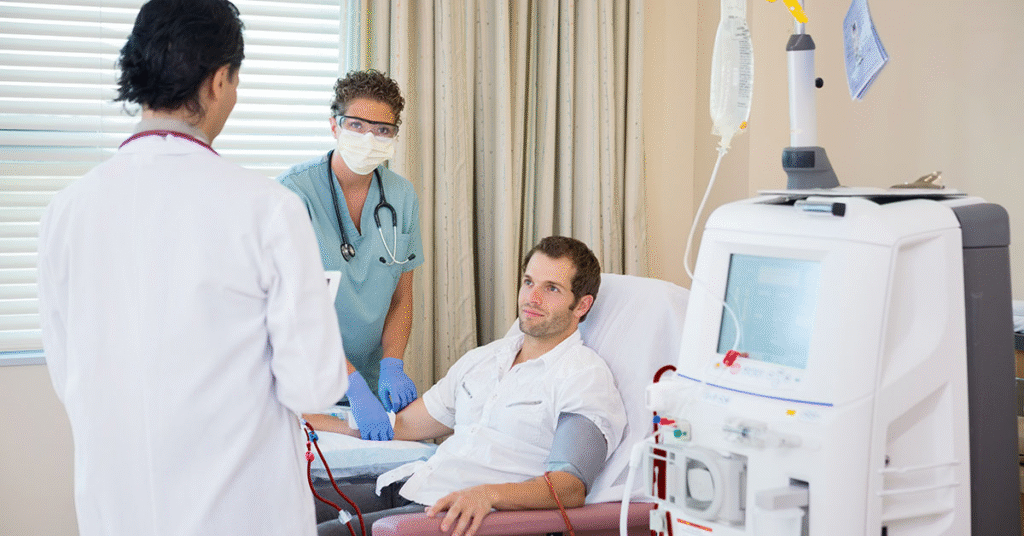
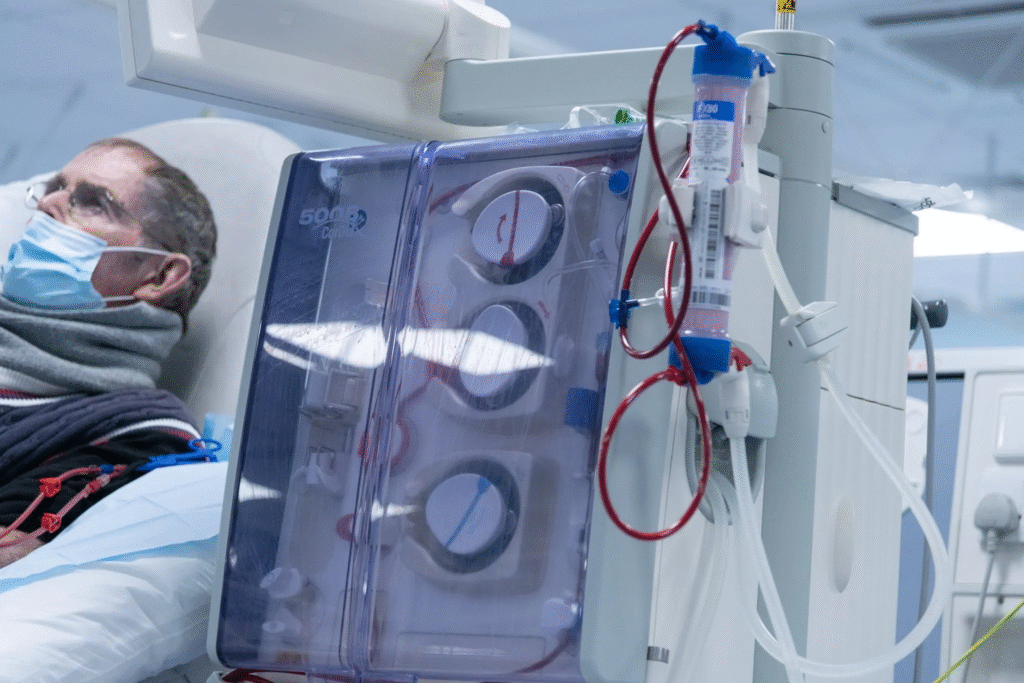
This is the most common form. It uses an external machine—often called an “artificial kidney”—to clean your blood.
How it works: Blood is pumped out of your body, filtered through a dialyzer (the machine), and then returned to you.
Where: Usually done at a dialysis center 3 times a week, lasting about 4 hours per session. Some patients are candidates for home hemodialysis.
Access: Requires a minor procedure to create an “access point,” usually in your arm.
2. Peritoneal Dialysis (PD)
This type uses the lining of your own abdomen (the peritoneum) to filter your blood inside your body.
How it works: A cleansing fluid is flowed into your abdomen through a small tube (catheter). The fluid absorbs waste and is then drained out.
Where: This is typically done at home, often while you sleep or during the day.
Benefit: It offers more flexibility for travel and daily schedules
What Does Dialysis Feel Like?
This is a common concern. The dialysis treatment itself is painless.
During hemodialysis, the main discomfort comes from the needle sticks used to access your blood. Some patients feel a bit tired or “washed out” after a session, or experience mild muscle cramps as fluid is removed. Our clinical team works closely with you to adjust the settings to keep you as comfortable as possible, while ensuring high-quality care through Multispeciality Healthcare Services in Unnao.
Living Well on Dialysis
A dialysis diagnosis is a big change, but it is not the end of your active life. Many people on dialysis continue to:
Work or attend school.
Travel (with a bit of advance planning for treatments).
Exercise and enjoy hobbies.
The “Team” Approach:
You aren’t doing this alone. At Abhisri Hospital , your care team includes nephrologists (kidney doctors), specialized nurses, dietitians to help with your “kidney-friendly” meal plan, and social workers to help navigate the emotional and financial aspects of care.
Key Takeaways for Families
Support is Vital: Patients often need help with transportation or meal prep as they adjust to the new routine.
Watch the Diet: Help your loved one stick to their fluid and salt restrictions—it makes the treatments much more effective.
Ask Questions: No question is too small. If you’re unsure about a symptom or a machine beep, ask your care team.
Ready to Learn More?
If you or a loved one are preparing for dialysis, our Nephrology Department is here to support you every step of the way.