Foods to Eat and Avoid During Pregnancy: A Complete Guide

First Trimester Pregnancy Care: Essential Tips for Expecting Mothers
October 20, 2026
First Trimester Pregnancy Care: Essential Tips for a Healthy Start
October 26, 2026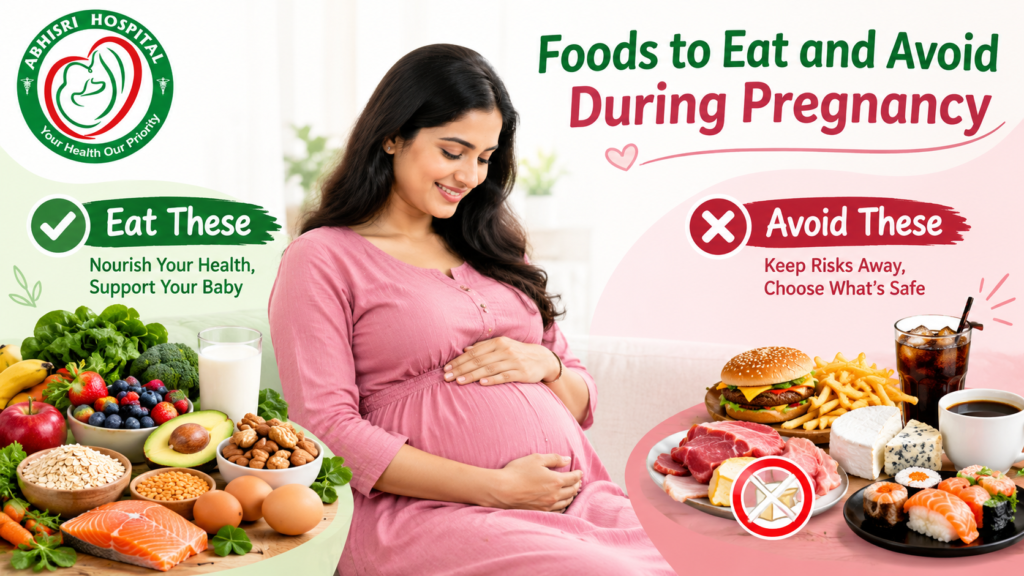
Pregnancy is an important time to focus on balanced nutrition, as the foods you eat help support your health and your baby’s growth. Understanding the right foods to eat and avoid during pregnancy can help you meet your nutritional needs, reduce foodborne illness risks, and build healthy eating habits. At Abhisri Hospital, expectant mothers can seek professional guidance to understand pregnancy nutrition and make informed dietary choices. Consulting the Best Obstetrician in Unnao can also help you plan a diet according to your health, trimester, and nutritional requirements.
Why Is a Healthy Diet Important During Pregnancy?
A balanced pregnancy diet provides essential nutrients for the development of your baby’s brain, bones, organs, and blood supply. It also supports maternal energy levels and helps reduce the risk of certain nutritional deficiencies.
Three important nutrients deserve special attention:
- Folic acid: Supports early brain and spinal cord development and helps prevent neural tube defects.
- Iron: Helps produce additional blood needed during pregnancy and supports oxygen delivery.
- Calcium: Helps develop your baby’s bones and teeth while maintaining your own bone health.
Other essential nutrients include protein, iodine, vitamin D, choline, and omega-3 fatty acids. Your doctor may recommend prenatal supplements based on your diet and individual needs.
Best Foods to Eat During Pregnancy
Choosing a variety of nutrient-rich foods is one of the simplest ways to support a healthy pregnancy. Focus on fresh ingredients, balanced meals, and appropriate portion sizes.
1. Fruits and Vegetables
Fruits and vegetables provide vitamins, minerals, fibre, and antioxidants. They can also help prevent constipation, which is common during pregnancy.
Include oranges, bananas, apples, guavas, carrots, spinach, broccoli, and sweet potatoes in your daily meals. Wash all produce thoroughly under running water before eating or preparing it. Avoid unpasteurised juices and unwashed raw produce.
2. Protein-Rich Foods
Protein supports the development of your baby’s tissues, muscles, and organs. Include a variety of protein sources throughout the day.
Good options include:
- Fully cooked eggs.
- Well-cooked chicken and lean meat.
- Lentils, beans, chickpeas, and peas.
- Tofu, paneer, and pasteurised dairy products.
- Fully cooked, low-mercury fish.
Vegetarian mothers can combine pulses, whole grains, dairy products, nuts, and seeds to obtain a variety of nutrients.
3. Whole Grains and Fibre-Rich Foods
Whole grains supply energy, fibre, and important B vitamins. They can also support digestion and help maintain steady energy levels.
Choose oats, whole-wheat roti, brown rice, whole-grain bread, and millets. Pair them with vegetables and protein-rich foods to create balanced meals.
4. Dairy Products and Healthy Fats
Milk, yoghurt, and pasteurised paneer provide calcium and protein. Choose pasteurised products and store them safely.
Healthy fats from walnuts, chia seeds, flaxseeds, and suitable vegetable oils contribute to overall nutrition. Low-mercury fish, such as salmon and sardines, can provide omega-3 fatty acids when thoroughly cooked.
Foods to Avoid During Pregnancy
Some foods may contain harmful bacteria, parasites, or high levels of contaminants. Making safer choices can reduce avoidable risks.
1. Raw or Undercooked Foods
Avoid raw or undercooked eggs, meat, poultry, seafood, and fish. These foods can carry organisms that cause foodborne illness.
Avoid raw fish, including sushi made with raw seafood, and choose thoroughly cooked alternatives. Heat eggs until both the white and yolk are firm, unless using pasteurised eggs in a preparation that remains uncooked.
2. Unpasteurised Milk and Certain Cheeses
Unpasteurised milk and products made from it may contain harmful bacteria, including Listeria. Choose pasteurised milk, yoghurt, and cheese.
Wash fruits and vegetables properly, refrigerate perishable foods promptly, and avoid food that has been stored or handled unsafely.
3. High-Mercury Fish, Alcohol, and Excess Caffeine
Avoid high-mercury fish, such as shark, swordfish, king mackerel, and tilefish. Fish recommendations can vary by region, so follow local medical guidance and choose suitable low-mercury options.
Alcohol should be avoided throughout pregnancy, as no safe amount has been established. Limit caffeine to no more than 200 mg per day from all sources, unless your healthcare professional advises otherwise.
Practical Tips for Healthy Pregnancy Eating
A healthy diet does not need to be complicated. Consistent, manageable habits can help you meet your nutritional needs.
Plan Balanced Meals
Build meals around vegetables or fruit, whole grains, and a source of protein. Include calcium-rich foods and healthy fats throughout the day.
Stay Hydrated and Eat Regularly
Drink water regularly, especially in hot weather. Smaller, more frequent meals may help manage nausea, heartburn, or reduced appetite. Choose fibre-rich foods and stay physically active as advised by your doctor to support digestion.
Follow Personalised Medical Advice
Nutritional needs can differ depending on your trimester, weight, anaemia risk, diabetes, food preferences, and other health conditions. Avoid taking herbal supplements or high-dose vitamins without medical advice. Abhisri Hospital can be a relevant point of contact for discussing pregnancy care and nutrition with a qualified healthcare professional.
Quick Takeaways: Pregnancy Nutrition at a Glance
- Eat more often: Fruits, vegetables, whole grains, pulses, thoroughly cooked proteins, and pasteurised dairy.
- Avoid: Alcohol, raw or undercooked animal foods, unpasteurised dairy, and high-mercury fish.
- Limit: Caffeine to 200 mg daily or less.
- Practise food safety: Wash produce, cook food thoroughly, prevent cross-contamination, and refrigerate leftovers promptly.
- Seek individual guidance: Discuss supplements, dietary restrictions, and medical conditions with your obstetrician.
Conclusion
Knowing which foods to eat and avoid during pregnancy helps you make informed choices that support your health and your baby’s development. A varied diet containing fruits, vegetables, whole grains, protein, and essential nutrients, combined with safe food-handling practices, provides a strong foundation for a healthy pregnancy. For personalised guidance on prenatal nutrition, supplements, and routine maternity care, visit Abhisri Hospital and consult a qualified obstetrician who can help you make choices suited to your pregnancy.
Frequently Asked Questions
1. Which foods are best during pregnancy?
Fruits, vegetables, whole grains, pulses, thoroughly cooked eggs and meat, low-mercury fish, and pasteurised dairy products are nutritious choices.
2. Which foods should be avoided during pregnancy?
Avoid alcohol, raw or undercooked meat and seafood, unpasteurised dairy products, and high-mercury fish. Practise careful food hygiene.
3. Can pregnant women eat eggs?
Yes. Eggs are a good source of protein and choline, but they should be thoroughly cooked unless pasteurised eggs are used safely in uncooked recipes.
4. How much caffeine is safe during pregnancy?
Many health authorities recommend limiting caffeine to no more than 200 mg per day from coffee, tea, chocolate, energy drinks, and other sources.
5. Are supplements necessary during pregnancy?
Some supplements, including folic acid and iron, may be recommended depending on individual needs and local guidelines. Consult your obstetrician before starting or changing supplements.