Karwa Chauth Fasting Tips for Pregnant Women: Safety Precautions Every Mother-to-Be Should Know

First Trimester Pregnancy Care: Essential Tips for a Healthy Start
October 26, 2026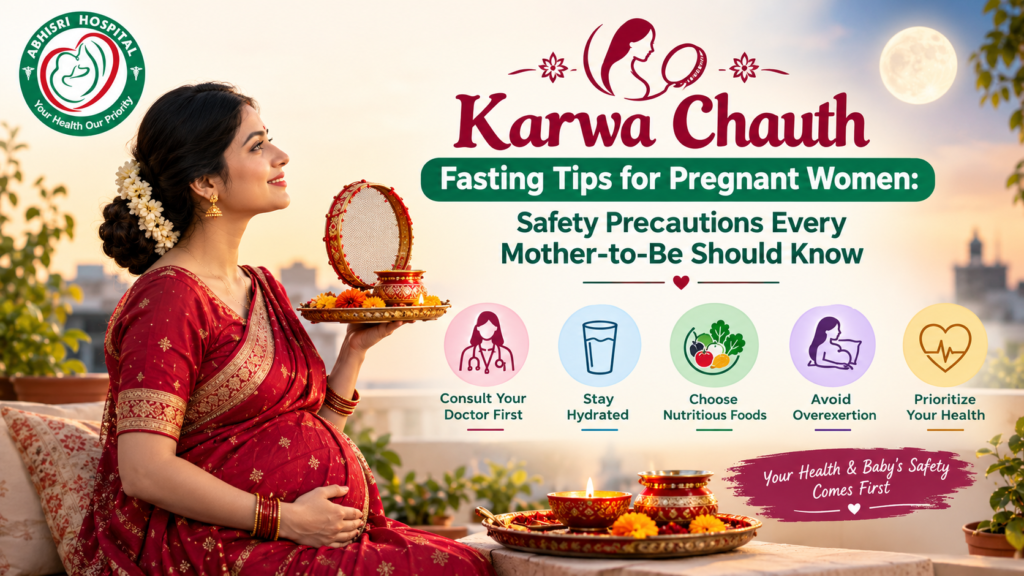
Karwa Chauth is a meaningful festival during which many married women observe a fast from sunrise to moonrise for the well-being and longevity of their husbands. However, pregnancy brings additional nutritional and hydration needs that should not be overlooked. Following appropriate Karwa Chauth Fasting Tips for Pregnant Women can help expectant mothers understand potential risks and make informed decisions about celebrating the festival safely.
Abhisri Hospital encourages pregnant women to prioritize their health and consult a qualified healthcare professional before changing their eating or drinking routine. If you need pregnancy-related medical guidance, a Multispeciality Hospital in Unnao can help you explore appropriate care options.
Why Should Pregnant Women Be Careful About Karwa Chauth Fasting?
During pregnancy, the body requires regular nourishment and adequate fluids to support the mother’s health and the baby’s development. Traditional Karwa Chauth fasting may involve avoiding food and water for several hours, which can be challenging for an expectant mother.
Prolonged fasting may increase the risk of dehydration, low blood sugar, dizziness, headaches, weakness, and fainting. The risks may be greater for women experiencing severe nausea and vomiting, anemia, diabetes, low blood pressure, or other pregnancy complications.
The most important precaution is to consult your obstetrician before fasting. A fast that was manageable before pregnancy may not be appropriate during pregnancy. Depending on your health, your doctor may advise against fasting or recommend that you avoid going without food and fluids.
7 Essential Karwa Chauth Fasting Tips for Pregnant Women
1. Consult Your Gynecologist Before the Festival
Every pregnancy is different. Your ability to tolerate fasting depends on factors such as your trimester, medical history, hydration status, nutritional needs, and any existing complications.
Before Karwa Chauth, discuss your plans with your gynecologist. Ask whether fasting is advisable in your specific circumstances and whether you need regular meals, fluids, or additional monitoring.
Women with high-risk pregnancies, gestational diabetes, persistent vomiting, anemia, or other medical concerns may need to avoid fasting altogether. Do not rely solely on another pregnant woman’s experience when making your decision.
2. Avoid Going Without Water for Long Periods
Hydration is essential during pregnancy because your body needs fluids to support circulation, maintain normal body functions, and support the developing baby.
A traditional fast without water can increase the risk of dehydration, particularly in hot weather or if you experience vomiting. Signs of dehydration may include dark urine, reduced urination, dry mouth, unusual tiredness, and dizziness.
If your doctor advises against a dry fast, do not avoid water to follow the ritual. Drink fluids regularly throughout the day according to your healthcare professional’s advice. If you cannot keep fluids down, seek medical guidance promptly.
3. Eat a Balanced Meal Before the Fast
If your healthcare professional approves a modified fasting routine, begin the day with a balanced meal rather than relying on sweets or fried foods alone.
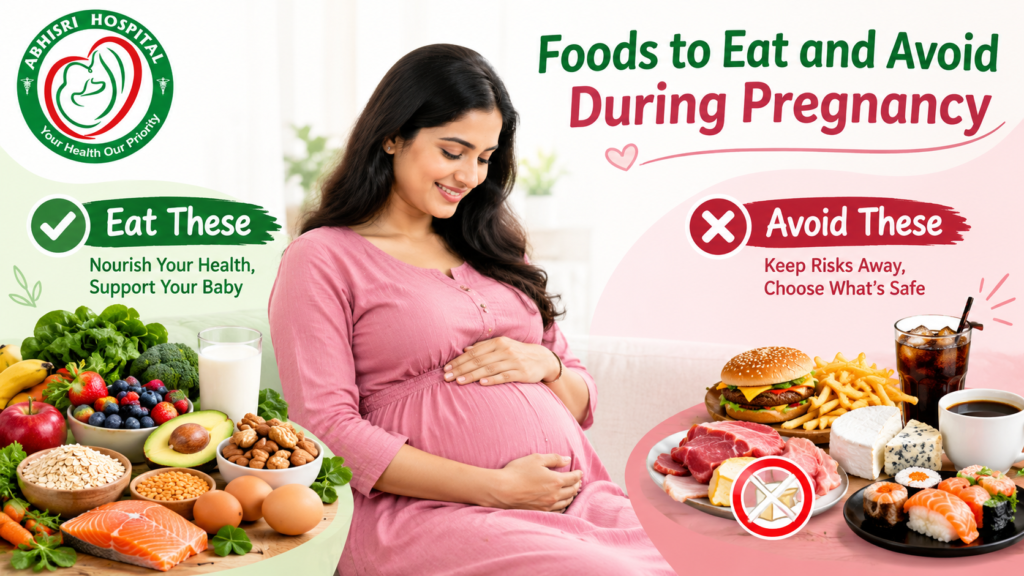
A nutritious meal may include:
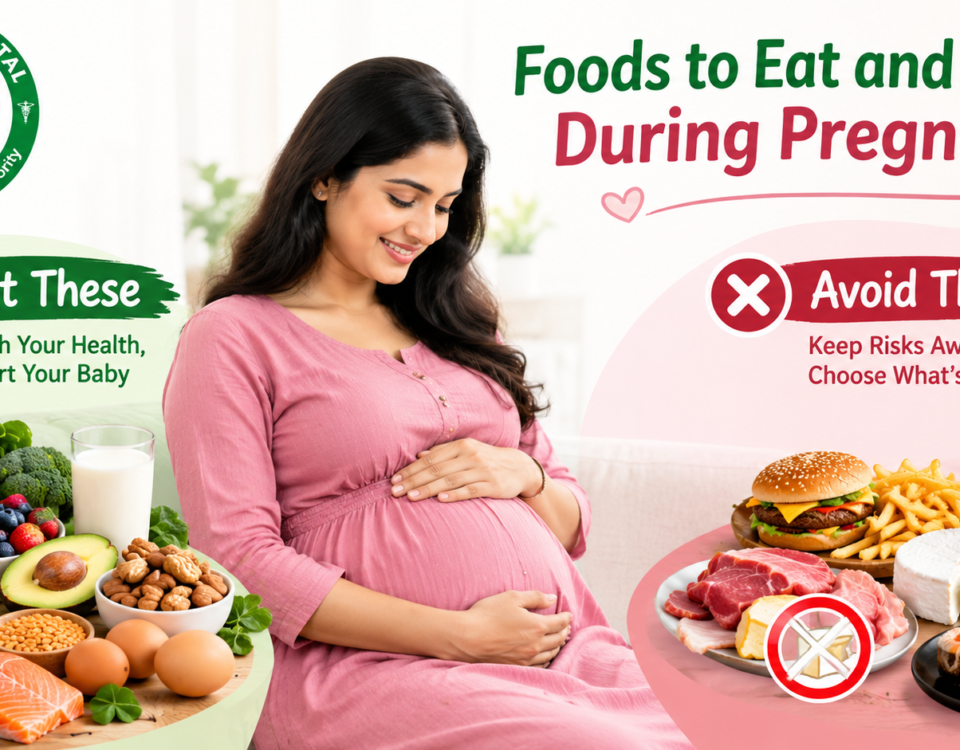
- Complex carbohydrates: Whole-wheat roti, oats, or other whole grains for sustained energy.
- Protein: Eggs, lentils, yogurt, paneer, or other suitable protein sources.
- Healthy fats: Nuts and seeds in moderate portions.
- Fruits and vegetables: Sources of vitamins, minerals, and dietary fibre.
Choose foods that you tolerate comfortably, particularly if you experience pregnancy-related nausea or acidity. Remember that eating a substantial meal before sunrise does not make prolonged fasting safe for every pregnant woman.
4. Recognize Warning Signs and Stop Fasting
One of the most important Karwa Chauth Fasting Tips for Pregnant Women is learning to recognize when your body needs immediate attention.
Stop fasting and seek medical advice if you experience:
- Dizziness, fainting, or persistent weakness.
- Shaking, sweating, or symptoms that may indicate low blood sugar.
- Severe headache or unusual confusion.
- Persistent vomiting or difficulty keeping fluids down.
- Noticeably reduced urination or very dark urine.
- Abdominal pain, vaginal bleeding, or fluid leakage.
Seek urgent medical assessment for severe symptoms, fainting, bleeding, or significant abdominal pain. If you are far enough along to monitor your baby’s movements, contact your maternity care team promptly if movements are reduced or noticeably different from the usual pattern.
Your health and your baby’s well-being should always take priority over completing a religious fast.
5. Get Enough Rest and Avoid Physical Exertion
Pregnancy can increase fatigue, and prolonged fasting may make tiredness more noticeable. Avoid strenuous household chores, prolonged standing, excessive walking, and activities that leave you feeling exhausted.
Practical precautions include:
- Rest in a cool, comfortable room.
- Avoid unnecessary exposure to heat.
- Take breaks throughout the day.
- Ask family members to help with household preparations.
- Avoid intense exercise if you are feeling weak or unwell.
If your doctor recommends eating and drinking regularly, follow that advice instead of continuing the fast. Rest can help manage fatigue, but it cannot eliminate the risks associated with inadequate nutrition or hydration.
6. Follow Your Prescribed Medicines and Supplements
Pregnant women may need prescribed medicines, iron, folic acid, or other supplements depending on their individual health needs. Do not skip, delay, or change medication schedules to accommodate Karwa Chauth fasting without consulting your doctor.
Some medicines need to be taken with food or at specific times. If fasting interferes with your treatment schedule, ask your healthcare professional how to manage it safely.
Abhisri Hospital emphasizes the importance of individualized medical guidance when making pregnancy-related health decisions. You can also discuss routine antenatal check-ups, nutritional requirements, and any symptoms you are experiencing with your healthcare provider.
7. Choose a Safe Way to Celebrate if Fasting Is Not Advisable
Observing Karwa Chauth does not have to mean putting your health at risk. If your doctor advises you not to fast, you can still participate in the festival in ways that respect your beliefs and traditions.
Consider these alternatives:
- Participate in the puja and other family rituals without restricting food or water.
- Wear traditional clothing and enjoy the celebrations with your family.
- Prepare a nutritious festive meal and eat according to your medical needs.
- Discuss alternative observances with your family or a trusted religious adviser.
- Focus on prayer, gratitude, and spending meaningful time with loved ones.
Remember that choosing not to fast during pregnancy is not a failure. Protecting your health and supporting your baby’s development are important priorities.
Is Karwa Chauth Fasting Safe During Different Trimesters?
The safety of fasting cannot be determined by trimester alone. Your medical history, pregnancy progress, hydration, nutritional status, and any complications all matter.
First trimester: Nausea, vomiting, and reduced appetite are common concerns. Going without food or fluids may worsen these symptoms and increase the risk of dehydration.
Second trimester: Some women experience improved energy levels, but this does not automatically make prolonged fasting safe. Adequate nutrition and hydration remain essential.
Third trimester: Nutritional and fluid requirements remain important as the baby continues to grow. Prolonged fasting may be particularly challenging for women who have pregnancy complications or difficulty maintaining adequate food and fluid intake.
Medical evidence about religious fasting during pregnancy remains limited, so there is no universal recommendation that applies to every expectant mother. Speak with your obstetrician before deciding whether to fast.
What Should Pregnant Women Eat After Karwa Chauth?
If you have been fasting and your healthcare professional advises you to resume eating, avoid consuming a very large, heavy meal immediately. Begin with fluids and a balanced meal that you can tolerate comfortably.
Consider including:
- Water or other suitable fluids to restore hydration.
- Whole grains, rice, or roti for carbohydrates.
- Dal, eggs, or other suitable protein sources.
- Cooked vegetables and thoroughly washed fruits.
- Pasteurized milk or yogurt, if tolerated.
Avoid excessive fried foods and sweets, which may worsen acidity or cause discomfort. Continue taking prescribed prenatal supplements as directed.
Important: If you feel faint, confused, severely weak, or unable to keep fluids down, seek medical attention rather than trying to manage the problem with food alone. Do not wait until moonrise to address concerning symptoms.
For further reading, consider creating an internal link to your website’s pregnancy-care or antenatal-care page, if available. A related article on healthy pregnancy nutrition can also help readers understand the importance of balanced meals during pregnancy.
Quick Takeaways for Expectant Mothers
Here are the most important points to remember:
- Consult your gynecologist before observing Karwa Chauth fasting during pregnancy.
- Avoid prolonged food and water restriction if your doctor advises against it.
- Do not skip prescribed medication or supplements.
- Recognize warning signs such as dizziness, fainting, severe weakness, and reduced urination.
- Seek prompt medical care for concerning symptoms.
- Consider alternative ways to celebrate if fasting is not suitable for you.
Conclusion
Following appropriate Karwa Chauth Fasting Tips for Pregnant Women begins with understanding that every pregnancy has different nutritional and medical needs. Although Karwa Chauth holds deep cultural and emotional significance, prolonged fasting without food or water may expose expectant mothers to dehydration, weakness, and other health concerns.
Before making a decision, consult your gynecologist and follow personalized medical advice. You can celebrate the festival through prayers, family traditions, and meaningful rituals without compromising your well-being.
Abhisri Hospital encourages expectant mothers to prioritize informed healthcare decisions, regular antenatal check-ups, and adequate nutrition throughout pregnancy. A thoughtful approach can help you enjoy the spirit of Karwa Chauth while keeping your health and your baby’s development at the forefront.
Frequently Asked Questions
Can pregnant women observe Karwa Chauth fasting?
Fasting is not automatically safe during pregnancy. Consult your gynecologist before deciding, as your individual health and pregnancy complications may affect the recommendation.
Is fasting without water safe during pregnancy?
A dry fast can increase the risk of dehydration. Pregnant women should discuss fasting with their healthcare professional and avoid restricting fluids when advised against it.
What should a pregnant woman do if she feels dizzy while fasting?
Stop fasting, sit or lie down somewhere safe, and seek medical advice. If symptoms are severe, persistent, or accompanied by fainting or other warning signs, seek urgent medical care.
Which foods are suitable before Karwa Chauth fasting?
If your doctor approves a modified routine, choose a balanced meal containing whole grains, protein, fruit, and other nutritious foods. However, eating beforehand does not eliminate the risks of prolonged fasting.
Can pregnant women celebrate Karwa Chauth without fasting?
Yes. Expectant mothers can participate in prayers, puja, and family traditions without undertaking a prolonged fast. If fasting is medically unsuitable, prioritize your health and discuss alternative observances with your family or a trusted religious adviser.