Midnight Fevers and Worried Hearts: A Doctor’s Note to Every Parent

Your First Antenatal Visit — The First Step Toward a Healthy and Happy Motherhood
November 13, 2025
Seconds Decide Survival: Understanding Sudden Cardiac Arrest
November 24, 2025
By Dr. Rishabh Gautam
Every parent knows the worry that comes when a child’s fever suddenly seems higher at night. The thermometer reads more than it did during the day, your child feels hotter, and the anxiety rises along with the temperature — a moment when timely care and guidance matter the most, especially with multispeciality healthcare services in unnao supporting your child’s well-being.
But here’s some reassuring news — this nighttime rise in fever is often a normal, even helpful, part of your child’s healing process.
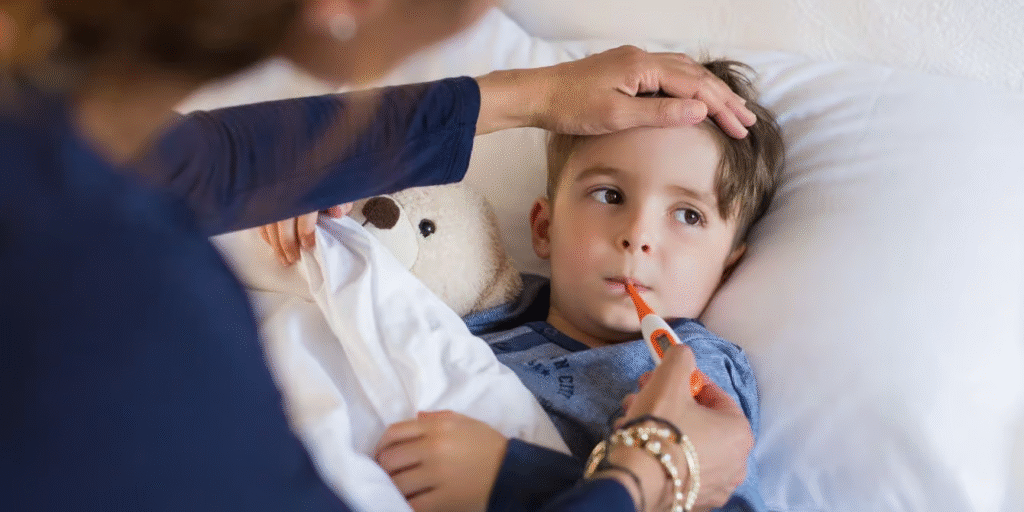
Why Fever Spikes at Night
Our body temperature naturally follows a circadian rhythm — a daily pattern controlled by the brain. It’s usually lowest in the early morning and highest in the late evening or night, which is why proper guidance becomes essential, especially with pediatrics & neonatal care (nicu) in unnao available for expert support.
So when your child has an infection, this normal rhythm continues — but at a higher baseline.
For example:
Daytime temperature might hover around 100°F,
But by night, it can rise to 101–102°F, simply due to this biological rhythm.
This doesn’t mean the illness is getting worse — it’s often just your child’s body working as it should.
Fever: The Body’s Natural Defense
Fever isn’t the enemy — it’s a sign that your child’s immune system is fighting back.
When germs enter the body, the brain’s temperature control center (the hypothalamus) raises body temperature to help:
Slow down the growth of viruses and bacteria
Boost white blood cell activity
Enhance the immune response
So that higher temperature you see is your child’s body creating an environment where germs can’t thrive.
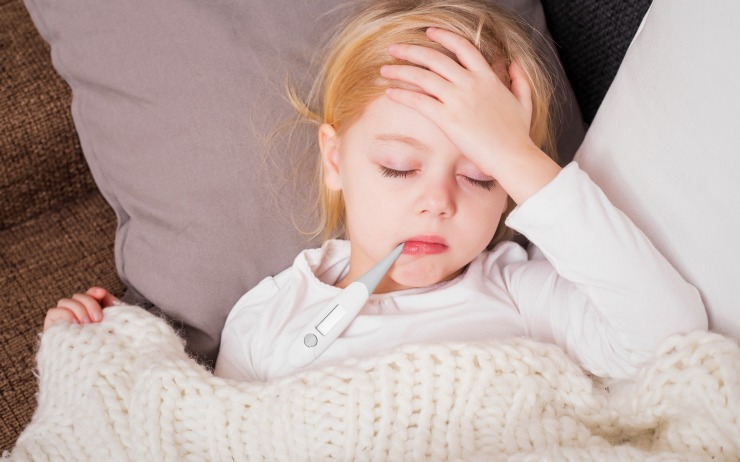
Why It Feels Worse at Night
At night, there are a few reasons fever seems more intense:
Less distraction – during the day, kids are active and playful; at night, every discomfort is more noticeable.
Higher cytokine activity – certain immune chemicals are more active at night, raising temperature and causing symptoms like body ache or chills.
Room temperature and blankets – warmth from covers can make fever feel worse.
What You Can Do
Keep your child comfortable – light clothing, a cool room, and plenty of fluids.
Use fever medicines wisely – Paracetamol or ibuprofen can be used if the child is uncomfortable or unable to rest.
Monitor, don’t panic – mild to moderate fevers (up to 102°F) often help recovery.
Seek medical attention if your child:
Is less than 3 months old,
Has breathing difficulty, seizures, persistent vomiting, or is unusually drowsy,
Has fever lasting more than 3 days.
The Takeaway
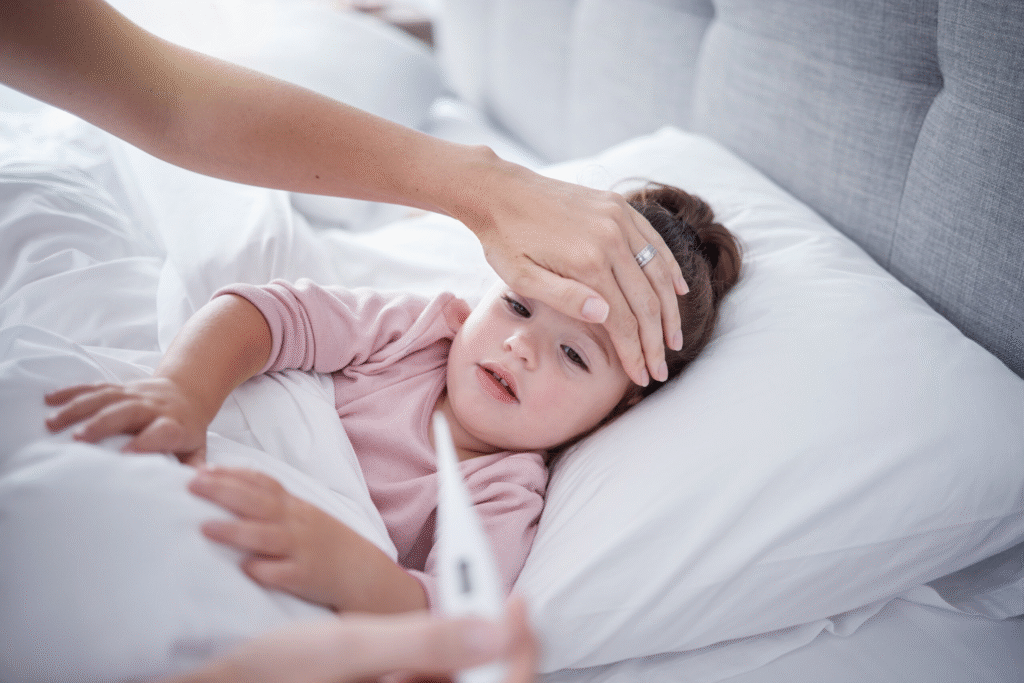
Fever, especially when it rises at night, can be scary — but it’s often a sign of your child’s body healing itself.
Trust your instincts, keep watch, and remember: the goal isn’t always to “bring the fever down,” but to keep your child comfortable and hydrated while nature does its job.
Dr. Rishabh Gautam
Anaesthetist, Intensivist & Pain Specialist
Abhisri Hospital, Unnao