ICU Is Not the End: The Truth Every Family Must Know About Intensive Care

How Drinking More Water Protects Your Kidneys and Liver (Doctor Explained)
January 28, 2026
How to Maintain a Healthy Liver: Diet, Lifestyle & Prevention Guide
February 17, 2026
When a doctor advises ICU admission, many families immediately feel fear, anxiety, and helplessness. A common belief is that shifting a patient ICU (Intensive Care Unit) in unnao at Abhisri Hospital means treatment has failed or that the situation is beyond recovery. In reality, ICU care is recommended to provide close monitoring, advanced medical support, and timely interventions—often increasing the chances of stabilization and recovery rather than signaling the end of hope.
This is a myth. In reality, ICU care often represents a stronger, more focused step toward saving life and accelerating recovery.
Understanding what ICU truly means can help families make informed decisions instead of reacting out of fear.
What Is an ICU and Why Is It Needed?
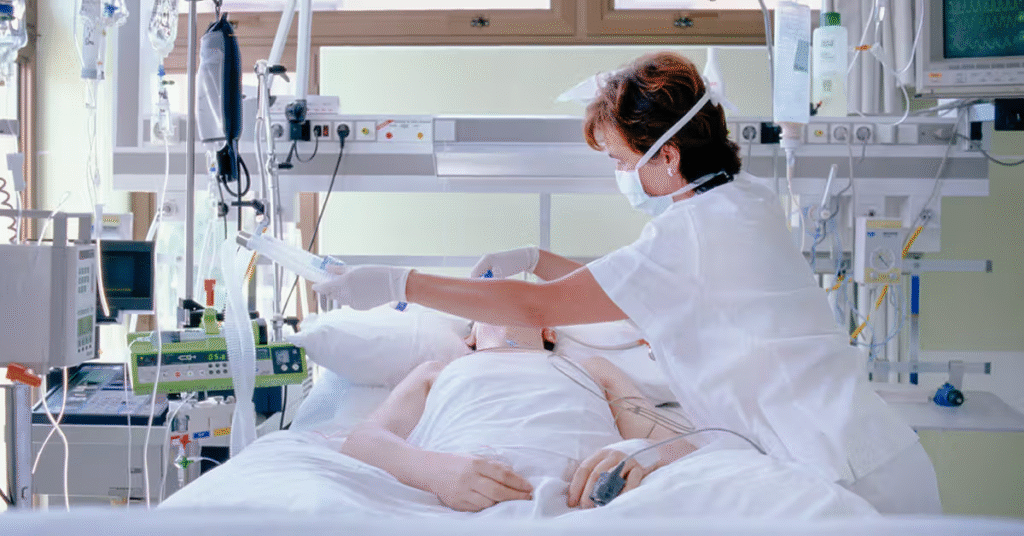
An Intensive Care Unit (ICU) is a specialized hospital department designed for continuous monitoring, advanced medical treatment, and rapid emergency response. It is not the end of treatment — it is where treatment becomes more intensive and precise.
Doctors recommend ICU admission when a patient requires:
• Continuous monitoring of heart rate, oxygen levels, blood pressure, or brain activity
• Advanced respiratory support such as ventilators or high-flow oxygen
• Intravenous medications needing strict supervision
• Immediate intervention in case of sudden deterioration
• Post-operative observation after major surgeries
In short, ICU means higher vigilance and better medical support, not hopelessness.
Why Do Families Fear ICU Admission?
The fear surrounding ICU care usually comes from:
• Lack of awareness about ICU functions
• Emotional past experiences
• Association with critical illness
• Misunderstanding urgency as finality
While ICU often treats critically ill patients, critical does not mean untreatable. Many ICU admissions are preventive and temporary.
ICU Increases Survival and Recovery Chances
Modern intensive care units are equipped with:
• Advanced life-support systems
• Skilled intensivists and trained nursing staff
• Real-time monitoring technology
• Rapid diagnostic tools
• Evidence-based treatment protocols
These resources significantly improve survival rates and speed up recovery in conditions like:
• Severe infections and sepsis
• Heart attacks and strokes
• Respiratory failure
• Trauma and accidents
• Post-surgical complications
• Poisoning and drug reactions
ICU care often provides the critical window needed to reverse life-threatening conditions.
ICU Admission Is a Protective and Preventive Step
Doctors shift patients to ICU not because treatment has failed, but because:
• Closer observation is necessary
• Complications need early detection
• Immediate response can save organs and life
• Recovery can be stabilized faster
• Specialized equipment is required
Delaying ICU transfer due to fear or stigma can reduce the chances of recovery.
Not Every ICU Patient Needs a Ventilator
A widespread misconception is that ICU equals ventilator support. In reality:
• Many patients need only monitoring
• Some require temporary oxygen support
• Others need medication adjustments
• A large number leave ICU fully recovered within days
ICU admission is often temporary and precautionary, not permanent or terminal.
Communication Reduces Anxiety
Families should actively communicate with doctors and healthcare staff. Asking the following questions can provide clarity:
• Why is ICU needed?
• What is the expected duration of stay?
• What are the treatment goals?
• What signs show improvement?
Transparent communication builds trust and reduces unnecessary fear.
The Real Truth About ICU Care
ICU is not the end of treatment — it is often the beginning of intensive, life-saving care. It symbolizes vigilance, advanced technology, medical expertise, and hope. Countless patients who enter the ICU in critical condition return to normal life because of timely and advanced medical support, especially when backed by multispeciality healthcare services in unnao at Abhisri Hospital, where comprehensive care and experienced specialists work together for better recovery outcomes
Understanding this truth allows families to replace fear with confidence and support their loved ones with strength rather than panic.
ICU is not a goodbye. It is frequently a second chance at life.
— Dr. Rishabh Gautam