Safe Exercises During Pregnancy: A Complete Guide for Every Trimester

Ovarian Cyst Removal Surgery: Everything You Need to Know
July 4, 2026
Common Pregnancy Symptoms and Their Management
July 9, 2026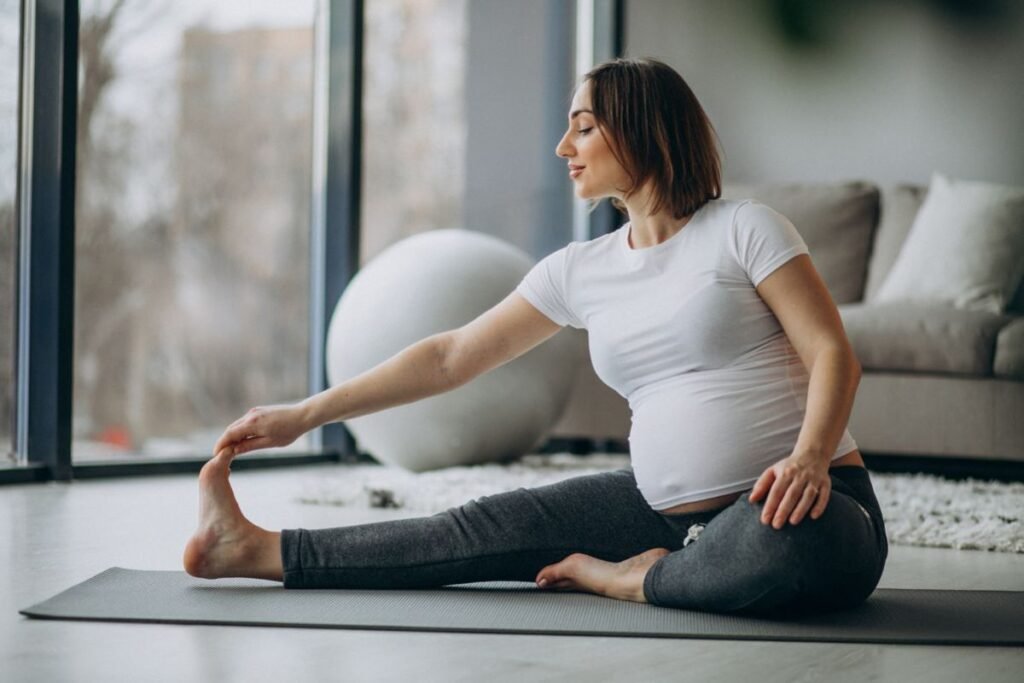
Staying active during pregnancy isn’t just safe for most women—it’s genuinely good for you and your baby. From easing back pain to improving sleep and preparing your body for labor, movement plays a bigger role than many expecting mothers realize. However, before starting or continuing any fitness routine, it’s always wise to consult a healthcare professional, especially if you have a high-risk pregnancy. Seeking guidance fr
om the Best Gynecologist Obstetrician in Unnao can help ensure your exercise plan is safe and tailored to your individual needs. But not every workout is appropriate once you’re pregnant, which is why understanding prenatal yoga, pregnancy-safe cardio, pelvic floor exercises, low-impact workouts, and trimester-specific exercise modifications matters so much.
This guide walks you through what’s safe, what to avoid, and how to adjust your routine as your pregnancy progresses. As always, check with your doctor or midwife before starting any new exercise program, especially if you have a high-risk pregnancy or underlying health condition.
Why Exercise Matters During Pregnancy
Regular movement during pregnancy has been linked to shorter labors, reduced risk of gestational diabetes, better mood regulation, and faster postpartum recovery. Most healthcare providers recommend at least 150 minutes of moderate activity per week for women with uncomplicated pregnancies. The key is choosing low-impact workouts that keep your heart rate in a safe range without putting excessive strain on your joints, ligaments, or growing belly.
Pregnancy hormones like relaxin loosen your joints and ligaments in preparation for childbirth, which means you’re more prone to injury during this time. That’s exactly why trimester-specific exercise planning is so important — what felt fine at 10 weeks might not be appropriate at 30 weeks.
What Makes an Exercise “Safe” During Pregnancy?
Before diving into specific routines, it helps to understand the general principles behind safe movement while pregnant:
- Avoid lying flat on your back after the first trimester, as this can compress a major vein and reduce blood flow to your baby.
- Steer clear of high-fall-risk activities like skiing, horseback riding, or contact sports.
- Stay hydrated and avoid overheating, especially during hot yoga or intense cardio sessions.
- Listen to your body — dizziness, shortness of breath, or pain are signals to stop immediately.
- Modify as needed rather than pushing through discomfort, particularly with core-intensive movements.
These principles apply whether you’re doing prenatal yoga, swimming, or strength training, and they become especially important as you move from one trimester to the next.
Prenatal Yoga: Gentle Strength and Flexibility
Prenatal yoga is one of the most recommended forms of exercise throughout pregnancy because it combines gentle stretching, breathing techniques, and mental relaxation — all of which support both physical and emotional wellbeing.
Benefits of Prenatal Yoga
Beyond flexibility, prenatal yoga helps improve circulation, reduces lower back and hip pain, and teaches breathing patterns that many women find useful during labor. Classes designed specifically for pregnancy also emphasize poses that avoid deep twists or abdominal compression.
Safe Prenatal Yoga Poses
- Cat-Cow Stretch — relieves back tension and improves spinal mobility
- Modified Warrior II — builds leg strength with a wide, stable stance
- Seated Forward Fold (with support) — gently stretches hamstrings without straining the belly
- Butterfly Pose — opens the hips, which can ease later labor
- Side-Lying Relaxation Pose — a safe alternative to lying flat on your back
Many studios now offer classes labeled specifically as prenatal yoga, taught by instructors trained in pregnancy modifications. If you’re new to yoga, this is a much safer starting point than a general vinyasa or power yoga class, which may include poses unsuitable for pregnant bodies.
Poses to Avoid
Skip deep twists, backbends, hot yoga rooms, and any inversion poses (like headstands) once you’re pregnant, particularly past the first trimester.
Pregnancy-Safe Cardio: Keeping Your Heart Healthy
Cardiovascular exercise remains important throughout pregnancy, but the type and intensity should shift. Pregnancy-safe cardio options prioritize joint protection and steady, moderate exertion over high-impact intensity.
Best Options for Pregnancy-Safe Cardio
- Walking — low-impact, requires no equipment, and can be done throughout all three trimesters
- Swimming and water aerobics — the buoyancy of water takes pressure off joints while still providing a solid cardiovascular workout
- Stationary cycling — safer than road cycling since there’s no risk of falling
- Low-impact aerobics classes — many gyms offer pregnancy-specific cardio classes with modified choreography
Swimming, in particular, is often cited by OB-GYNs as one of the best forms of pregnancy-safe cardio because it supports body weight while allowing a full range of motion.
What to Avoid
High-impact activities like running (if you weren’t already a regular runner pre-pregnancy), jump-based HIIT workouts, and contact sports should generally be avoided, especially as your center of gravity shifts in later trimesters.
Monitoring Intensity
A simple rule of thumb: you should be able to hold a conversation while exercising. If you’re too breathless to talk, dial back the intensity. This “talk test” is a practical way to self-monitor pregnancy-safe cardio sessions without needing a heart rate monitor.
Pelvic Floor Exercises: Preparing Your Body for Birth and Recovery
Pelvic floor exercises, commonly known as Kegels, are among the most important — and most overlooked — exercises during pregnancy. The pelvic floor supports your bladder, uterus, and bowels, and it undergoes significant strain during pregnancy and childbirth.
Why Pelvic Floor Exercises Matter
Strengthening this muscle group through pelvic floor exercises can help prevent urinary incontinence (a common pregnancy and postpartum issue), support faster recovery after vaginal delivery, and even improve labor outcomes by helping you learn to control and relax these muscles on cue.
How to Do Pelvic Floor Exercises Correctly
- Identify your pelvic floor muscles by imagining you’re stopping the flow of urine midstream.
- Contract these muscles and hold for 5–10 seconds.
- Release slowly and rest for the same duration.
- Repeat for 10–15 repetitions, three times per day.
Consistency matters more than intensity here. Many prenatal yoga and physical therapy programs now build pelvic floor exercises directly into their sessions, recognizing how essential this muscle group is for both pregnancy and postpartum recovery.
Common Mistakes to Avoid
Avoid holding your breath while performing pelvic floor exercises, and don’t overdo repetitions in a single session — quality of contraction matters more than quantity.
Adjusting Your Workout by Trimester
Because your body changes so dramatically over nine months, trimester-specific exercise planning helps you stay active safely at every stage.
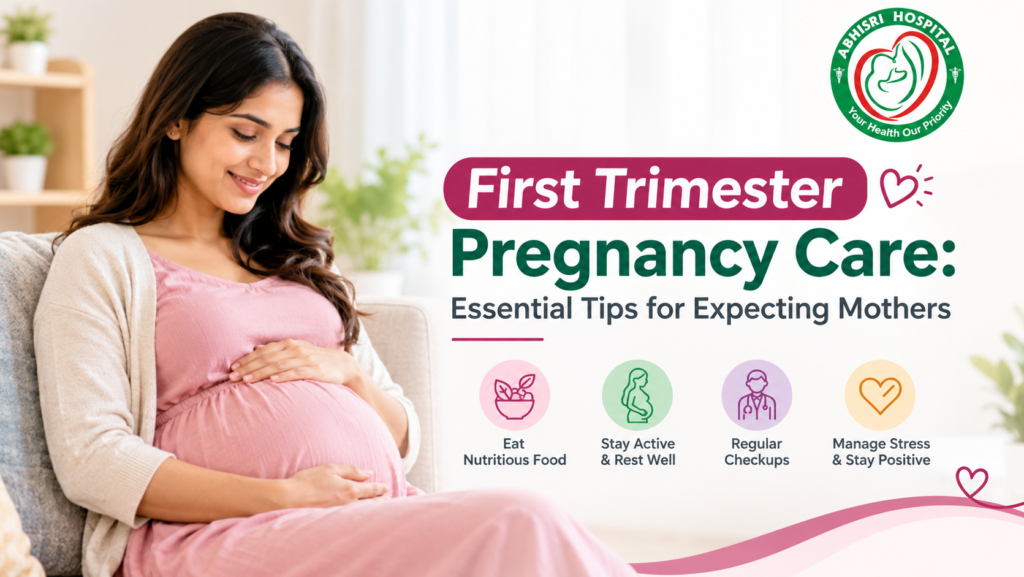
First Trimester (Weeks 1–12)
Most pre-pregnancy exercise routines can continue with minor adjustments during this stage. Fatigue and nausea may limit intensity, so low-impact workouts like walking, swimming, and prenatal yoga are excellent low-barrier options if you’re feeling depleted.
Second Trimester (Weeks 13–27)
Often called the “golden trimester,” energy levels typically improve, making it a good time to build a consistent routine combining pregnancy-safe cardio, pelvic floor exercises, and strength work. This is also when you should stop exercises that involve lying flat on your back for extended periods.
Third Trimester (Weeks 28–40)
As your belly grows and balance shifts, prioritize stability and comfort. Trimester-specific exercise modifications here often include shorter cardio sessions, more supported yoga poses (using bolsters or walls for balance), and continued pelvic floor exercises to prepare for labor and delivery.
Warning Signs to Stop Exercising
Regardless of which routine you follow, stop immediately and contact your doctor if you experience:
- Vaginal bleeding or fluid leakage
- Dizziness, chest pain, or shortness of breath before exertion
- Regular, painful contractions
- Calf pain or swelling
- Decreased fetal movement
Final Thoughts
Staying active throughout pregnancy — through prenatal yoga, pregnancy-safe cardio, pelvic floor exercises, and other low-impact workouts — supports both your physical health and your mental wellbeing during a demanding time. The key is adapting your routine with trimester-specific exercise modifications as your body changes, and always listening to what feels right for you.
Every pregnancy is different, so what works for one person may not work for another. Partner with your healthcare provider to build a routine that fits your specific needs, and remember that consistency — not intensity — is what matters most over these nine months.