Ovarian Cyst Removal Surgery: Everything You Need to Know

The Role of ICU in Saving Lives: Why Critical Care Matters
June 25, 2026
Safe Exercises During Pregnancy: A Complete Guide for Every Trimester
July 9, 2026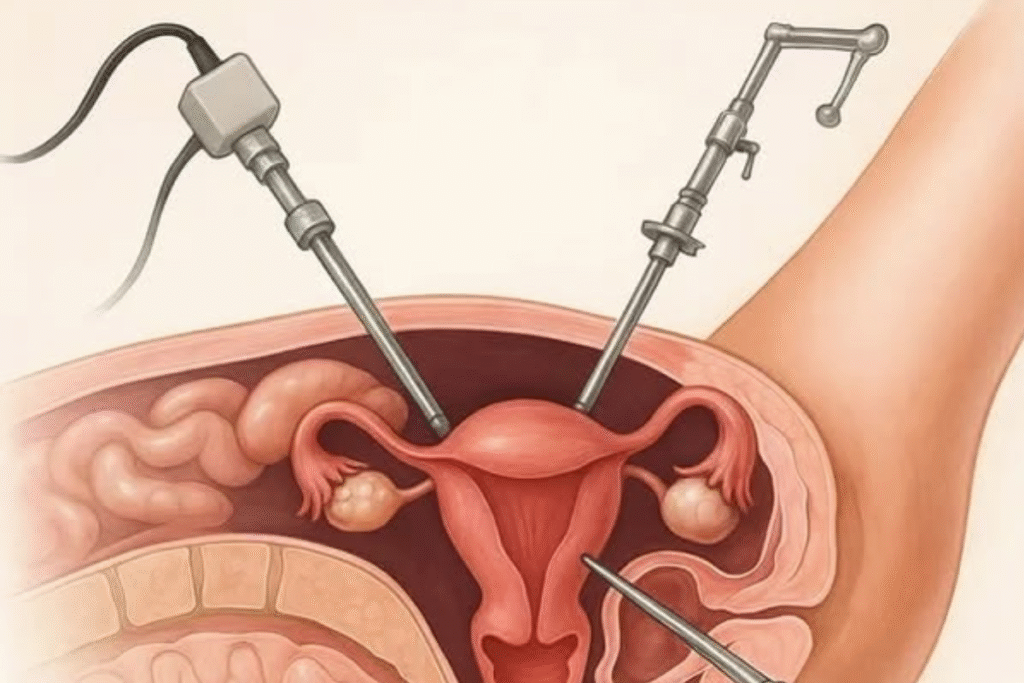
Ovarian cysts are extremely common, and for most women, they come and go without ever needing treatment. But when a cyst grows large, causes pain, or shows signs that concern your doctor, ovarian cyst removal surgery may be recommended. Consulting the Best Gynecologist Obstetrician in Unnao can help ensure an accurate diagnosis and the most appropriate treatment plan based on your individual condition. If you or someone you love has just been told they need this procedure, it’s natural to have questions about the process, recovery, and cost. This guide walks you through
What Is an Ovarian Cyst?
An ovarian cyst is a fluid-filled sac that forms on or inside an ovary. Most cysts are “functional,” meaning they form as a normal part of the menstrual cycle and disappear on their own within a few weeks or months. Other types, such as dermoid cysts, endometriomas, or cystadenomas, are less common and may not resolve without medical intervention.
Common symptoms that lead to a diagnosis include:
- Pelvic pain or pressure
- Bloating
- Irregular periods
- Pain during intercourse
- A feeling of fullness in the abdomen
Many cysts are discovered incidentally during a routine pelvic exam or ultrasound, before any symptoms even appear.
Do You Always Need Surgery? Exploring Ovarian Cyst Removal Without Surgery
Not every cyst requires an operation. In many cases, doctors recommend ovarian cyst removal without surgery, which really means a “watch and wait” approach combined with monitoring.
This is typically suggested when:
- The cyst is small (usually under 5 cm)
- It appears simple and fluid-filled on ultrasound
- The patient is not experiencing severe pain
- There are no signs suggesting cancer risk
In these situations, your doctor may recommend follow-up ultrasounds every few weeks or months to track whether the cyst shrinks on its own. Hormonal birth control is sometimes prescribed to prevent new functional cysts from forming, although it won’t shrink an existing one.
However, ovarian cyst removal without surgery isn’t always a realistic option. If the cyst is large, growing rapidly, causing significant pain, twisting the ovary (a condition called ovarian torsion), or showing suspicious features on imaging, surgical removal becomes the safer and more definitive path forward.
Ovarian Cyst Removal Surgery: Understanding Your Options
When surgery is necessary, there are two main approaches your surgeon may consider, depending on the size, type, and appearance of the cyst, along with your overall health and medical history.
Laparoscopic Ovarian Cystectomy
The most common and least invasive option is a laparoscopic ovarian cystectomy.
This minimally invasive technique involves:
- A few small incisions (usually 3–4, each less than a centimeter) in the abdomen
- Insertion of a laparoscope — a thin tube with a camera — to guide the surgeon
- Careful removal of the cyst while preserving healthy ovarian tissue
- Closing the incisions with small stitches or surgical glue
A laparoscopic ovarian cystectomy is preferred whenever possible because it offers a faster recovery, less scarring, and a lower risk of complications compared to open surgery. Most benign cysts, including many dermoid cysts and endometriomas, can be treated this way.
Open Abdominal Surgery (Laparotomy)
In some cases, a laparoscopic ovarian cystectomy isn’t suitable, and a traditional open surgery is required instead. This is usually reserved for:
- Very large cysts
- Cysts suspected to be cancerous
- Cases involving significant scar tissue from previous surgeries
- Complicated cases involving ovarian torsion or rupture
Open surgery involves a larger abdominal incision, allowing the surgeon direct access to the ovaries and surrounding organs. While it’s more invasive, it may be necessary for safety and thoroughness.
Oophorectomy When the Whole Ovary Is Removed
If a cyst is large, recurrent, or potentially cancerous, your surgeon might recommend removing the entire ovary (oophorectomy) rather than just the cyst. This decision is typically made based on age, fertility goals, and pathology findings, and it’s something your doctor will discuss with you in detail before your procedure.
What Happens During Ovarian Cyst Removal Surgery: A Step-by-Step Walkthrough
Understanding the process can ease a lot of pre-surgery anxiety. Here’s a general overview of what to expect during ovarian cyst removal surgery:
- Pre-operative preparation — Blood tests, imaging, and anesthesia consultation happen in the days leading up to surgery. You’ll typically be asked to fast for 8–12 hours beforehand.
- Anesthesia — Most procedures are performed under general anesthesia, meaning you’ll be asleep throughout.
- Incision and access — For a laparoscopic ovarian cystectomy, small incisions are made; for open surgery, one larger incision is used.
- Cyst removal — The surgeon carefully separates the cyst from healthy ovarian tissue, aiming to preserve as much of the ovary as possible.
- Inspection — The surgical team checks the other ovary, fallopian tubes, and surrounding organs for any additional abnormalities.
- Closing up — Incisions are closed, and you’re moved to a recovery area to wake up from anesthesia.
The entire procedure typically takes between 30 minutes and 2 hours, depending on complexity.
Ovarian Cyst Removal Recovery Time: What to Expect
One of the most common questions patients ask is about ovarian cyst removal recovery time, since this affects work, childcare, and daily responsibilities.
Laparoscopic Recovery
For a laparoscopic ovarian cystectomy, ovarian cyst removal recovery time is generally short:
- First 24–48 hours: Mild to moderate pain, bloating, and shoulder discomfort (from gas used during surgery) are common.
- First week: Most patients can resume light activities and even light desk work within 5–7 days.
- 2–4 weeks: Full recovery, including a return to exercise and normal activity, typically happens within this window.
Open Surgery Recovery
For open abdominal surgery, ovarian cyst removal recovery time is considerably longer:
- Hospital stay: Usually 2–4 days
- Initial recovery: 2–4 weeks before resuming light activities
- Full recovery: 6–8 weeks before returning to strenuous activity or heavy lifting
Regardless of the surgical method, your doctor will provide specific guidelines on when you can drive, return to work, resume sexual activity, and start exercising again. Attending all follow-up appointments is essential to make sure healing is on track.
Tips for a Smoother Recovery
- Rest as much as possible during the first week
- Avoid heavy lifting until cleared by your doctor
- Stay hydrated and eat fiber-rich foods to prevent constipation (common after anesthesia and pain medication)
- Watch incisions for signs of infection: redness, swelling, or discharge
- Wear loose, comfortable clothing to avoid irritating incision sites
Ovarian Cyst Surgery Cost: What Influences the Price
Ovarian cyst surgery cost varies widely depending on several factors, including geography, hospital type, insurance coverage, and the complexity of the procedure.
Key factors that affect ovarian cyst surgery cost include:
- Surgical approach — Laparoscopic procedures are often less expensive than open surgery due to shorter hospital stays and faster recovery.
- Hospital vs. outpatient surgical center — Outpatient centers may offer lower costs for straightforward cases.
- Anesthesia fees — General anesthesia adds to the overall bill.
- Pathology testing — If the cyst is sent for lab analysis, this adds an additional cost.
- Geographic location — Costs can differ significantly between regions and countries.
- Insurance coverage — Your out-of-pocket ovarian cyst surgery cost will depend heavily on your specific plan, deductible, and copay structure.
Because pricing varies so much, it’s best to request a detailed cost estimate from your hospital or surgical center in advance, and to confirm with your insurance provider exactly what’s covered.
Risks and When to See a Doctor
While ovarian cyst removal is generally safe, as with any surgery, there are some risks to be aware of, including infection, bleeding, damage to surrounding organs, and rarely, loss of ovarian function. Your surgical team will take steps to minimize these risks and will discuss them with you beforehand.
You should contact your doctor promptly if you experience:
- Fever above 100.4°F (38°C)
- Severe or worsening pain
- Heavy vaginal bleeding
- Redness, swelling, or pus at incision sites
- Difficulty urinating or having a bowel movement
Final Thoughts
Facing ovarian cyst removal surgery can feel overwhelming, but understanding your options — from ovarian cyst removal without surgery to a minimally invasive laparoscopic ovarian cystectomy — can help you approach the experience with more confidence. Recovery times and costs vary depending on your specific case, so open communication with your healthcare provider is key to a smooth journey from diagnosis to full recovery.