The Role of ICU in Saving Lives: Why Critical Care Matters

Follow These Simple Tips to Stay Hearty and Healthy in Pregnancy
June 24, 2026
Ovarian Cyst Removal Surgery: Everything You Need to Know
July 4, 2026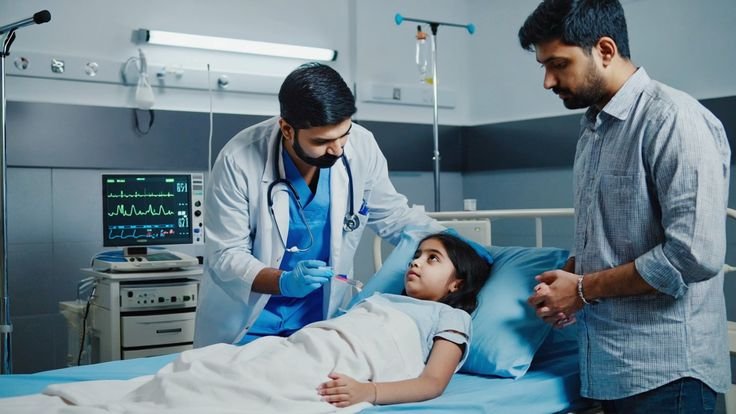
Medical emergencies can occur without warning and often require immediate, specialized attention. In these critical moments, the Role of ICU in Saving Lives becomes extremely important. An Intensive Care Unit (ICU) is designed to provide advanced medical care, constant monitoring, and life-support treatments for patients facing severe illnesses, injuries, or complications. Patients seeking treatment at the Best ICU Hospitals in Unnao benefit from advanced critical care facilities, experienced specialists, and round-the-clock monitoring that can make a significant difference during life-threatening situations. From managing severe infections to providing post-surgical critical care, the ICU team plays a vital role in improving survival rates and supporting recovery. From managing life-threatening infections to supporting patients after major surgeries, ICU teams play a vital role in improving survival rates and helping patients recover.
What Is an Intensive Care Unit?
An ICU, or Intensive Care Unit, is a specialized department within a hospital that provides round-the-clock care for critically ill patients. Unlike general hospital wards, ICUs are equipped with advanced medical technology and staffed by highly trained healthcare professionals who specialize in managing severe and complex medical conditions.
Intensive Care Unit Treatment focuses on patients who require continuous observation, advanced monitoring, and immediate intervention if their condition changes. These units are designed to handle emergencies where every second matters.
Patients admitted to an ICU may include those suffering from severe infections, respiratory failure, heart attacks, strokes, traumatic injuries, or complications following major surgery.
Understanding the Role of ICU in Saving Lives
The primary Role of ICU in Saving Lives is to provide immediate and advanced medical support to patients whose conditions are critical or unstable. ICU teams work tirelessly to stabilize patients, prevent complications, and improve the chances of recovery.
One of the most significant advantages of ICU care is the ability to monitor patients continuously. Specialized equipment tracks heart rate, blood pressure, oxygen levels, breathing patterns, and other vital signs in real time. This allows healthcare professionals to identify changes instantly and respond before a situation becomes life-threatening.
The ICU environment is specifically designed to deliver rapid interventions, ensuring that patients receive the care they need at the exact moment they need it.
Conditions Commonly Treated in the ICU
Many serious health conditions require Intensive Care Unit Treatment due to the high risk of complications. Some common conditions treated in the ICU include:
Severe Respiratory Disorders
Patients experiencing respiratory failure, pneumonia, severe asthma attacks, or lung infections often require ICU admission. Mechanical ventilators and oxygen support systems help patients breathe while their lungs recover.
Heart Conditions
Heart attacks, cardiac arrest, severe arrhythmias, and heart failure are frequently managed in ICUs. Continuous cardiac monitoring ensures that any changes in heart function are detected immediately.
Stroke and Neurological Emergencies
Patients who suffer strokes, brain injuries, seizures, or neurological complications often require specialized ICU monitoring to minimize damage and improve outcomes.
Trauma and Accidents
Serious injuries resulting from road accidents, falls, burns, or workplace incidents often require Emergency ICU Care. These patients may need surgery, blood transfusions, and continuous monitoring.
Severe Infections and Sepsis
Sepsis is a life-threatening condition that occurs when the body’s response to infection causes widespread inflammation and organ damage. ICU care is essential for managing severe infections and preventing organ failure.
Emergency ICU Care: A Lifeline During Medical Crises
One of the most critical aspects of modern healthcare is Emergency ICU Care. Medical emergencies can escalate rapidly, and patients often require immediate intervention to survive.
Emergency ICU teams are trained to respond quickly to life-threatening situations such as:
- Cardiac arrest
- Respiratory failure
- Severe trauma
- Organ failure
- Septic shock
- Poisoning and overdose
- Post-surgical complications
The ability to provide rapid treatment can mean the difference between life and death. Through continuous monitoring and immediate intervention, Emergency ICU Care significantly improves patient survival rates.
For example, a patient experiencing respiratory distress may require urgent intubation and ventilator support. Without access to ICU services, delays in treatment could result in severe complications or even death.
Advanced Technology in Critical Care
Modern ICUs utilize sophisticated equipment to provide comprehensive patient care. These technologies support the Role of ICU in Saving Lives by enabling accurate diagnosis, monitoring, and treatment.
Patient Monitoring Systems
Advanced monitoring devices track vital signs continuously and alert healthcare providers if abnormalities occur.
Mechanical Ventilators
Ventilators assist patients who are unable to breathe adequately on their own. These machines are essential in treating severe respiratory conditions.
Infusion Pumps
Infusion pumps deliver medications, fluids, and nutrients with precise control, ensuring optimal treatment outcomes.
Dialysis Machines
Patients experiencing kidney failure may require dialysis support while receiving Critical Care Services.
Portable Imaging Equipment
Portable X-ray and ultrasound machines allow healthcare providers to perform diagnostic assessments without moving critically ill patients.
These technological advancements enhance patient safety and improve the effectiveness of treatment.
The Importance of Critical Care Services
Critical Care Services encompass a wide range of medical interventions aimed at supporting patients with life-threatening conditions. These services extend beyond medical treatment and involve a multidisciplinary approach to patient care.
Critical care teams typically include:
- Intensivists
- Critical care nurses
- Respiratory therapists
- Pharmacists
- Nutritionists
- Physical therapists
- Surgeons and specialists
This collaborative approach ensures that every aspect of a patient’s condition is addressed comprehensively.
The availability of high-quality Critical Care Services can significantly reduce mortality rates and improve long-term recovery outcomes for critically ill patients.
Advanced Life Support in ICU
One of the most important components of modern critical care is Advanced Life Support in ICU. Life-support systems are designed to maintain essential body functions while healthcare teams treat the underlying condition.
Respiratory Support
Ventilators provide breathing assistance to patients experiencing respiratory failure.
Cardiovascular Support
Medications and specialized equipment help maintain blood pressure and heart function.
Renal Support
Dialysis machines assist patients with kidney failure by removing waste products from the bloodstream.
Nutritional Support
Many ICU patients cannot eat normally and require specialized nutritional therapy to support recovery.
Organ Support Systems
Advanced technologies can temporarily replace or support failing organs until recovery occurs.
Through Advanced Life Support in ICU, healthcare providers can stabilize critically ill patients and provide them with the best possible chance of survival.
How ICU Teams Work Together to Save Lives
The Role of ICU in Saving Lives depends heavily on teamwork and collaboration. ICU professionals work around the clock to monitor patients, administer treatments, and respond to emergencies.
Critical care nurses are often the first to identify changes in a patient’s condition. Their close monitoring allows rapid intervention when problems arise.
Physicians analyze patient data, adjust treatment plans, and coordinate care with specialists. Respiratory therapists manage breathing support, while pharmacists ensure safe medication administration.
This coordinated approach enhances the quality of Critical Care Services and contributes significantly to patient recovery.
Benefits of Early ICU Admission
Timely access to Emergency ICU Care can dramatically improve patient outcomes. Early admission allows healthcare providers to identify and treat complications before they become severe.
Benefits of early ICU intervention include:
- Improved survival rates
- Reduced risk of organ failure
- Faster stabilization of critical conditions
- Better management of severe infections
- Enhanced monitoring and treatment accuracy
- Reduced long-term complications
Early recognition of deteriorating health conditions allows healthcare providers to implement Advanced Life Support in ICU before irreversible damage occurs.
Recovery and Rehabilitation After ICU Care
Surviving a critical illness is only the beginning of the recovery journey. Many patients require ongoing rehabilitation after leaving the ICU.
Recovery programs may include:
- Physical therapy
- Occupational therapy
- Respiratory rehabilitation
- Nutritional counseling
- Psychological support
These services help patients regain strength, mobility, and independence.
The effectiveness of Critical Care Services extends beyond survival and focuses on improving long-term quality of life for patients recovering from serious illnesses.
Challenges Faced in Intensive Care Units
Despite advancements in healthcare, ICUs face several challenges.
High Patient Complexity
Critically ill patients often have multiple health issues that require simultaneous management.
Resource Demands
ICUs require specialized equipment, highly trained staff, and continuous monitoring.
Infection Control
Preventing hospital-acquired infections is a top priority in critical care environments.
Emotional Stress
Healthcare professionals working in ICU settings often face emotionally demanding situations due to the severity of patient conditions.
Addressing these challenges is essential for maintaining high-quality Intensive Care Unit Treatment and ensuring positive patient outcomes.
Choosing a Hospital with Strong ICU Facilities
When evaluating healthcare facilities, it is important to consider the quality of their ICU services.
Factors to assess include:
- Availability of experienced intensivists
- Advanced monitoring and life-support equipment
- Skilled nursing staff
- Emergency response capabilities
- Infection prevention protocols
- Access to specialized medical services
Hospitals that provide comprehensive Critical Care Services are better equipped to manage complex medical emergencies and deliver effective treatment.
The Future of ICU Care
The future of intensive care continues to evolve through technological innovation and medical research.
Emerging developments include:
- Artificial intelligence-assisted monitoring
- Tele-ICU systems
- Advanced robotic support
- Personalized treatment plans
- Improved infection control strategies
- Enhanced organ support technologies
These advancements will further strengthen the Role of ICU in Saving Lives by improving patient monitoring, diagnosis, and treatment accuracy.
As healthcare technology continues to advance, patients can expect even higher levels of care and improved survival outcomes.
Conclusion
The Role of ICU in Saving Lives cannot be overstated. Intensive care units serve as the frontline defense against life-threatening illnesses, severe injuries, and medical emergencies. Through advanced technology, highly trained healthcare professionals, and comprehensive treatment approaches, ICUs provide the specialized care that critically ill patients need to survive and recover.
From Intensive Care Unit Treatment and Emergency ICU Care to comprehensive Critical Care Services and Advanced Life Support in ICU, these specialized units play a crucial role in modern healthcare. Their ability to provide immediate intervention, continuous monitoring, and life-saving treatments makes them an essential component of every healthcare system.
As medical science continues to evolve, the future of intensive care promises even greater advances in patient care, ensuring that more lives can be saved and more patients can achieve successful recoveries.