Ventilator Causes Death? The Truth Behind One of the Biggest ICU Myths

Common Pregnancy Symptoms and Their Management
July 9, 2026
Gallstones: When Is Surgery Necessary? A Complete Guide for Patients
July 18, 2026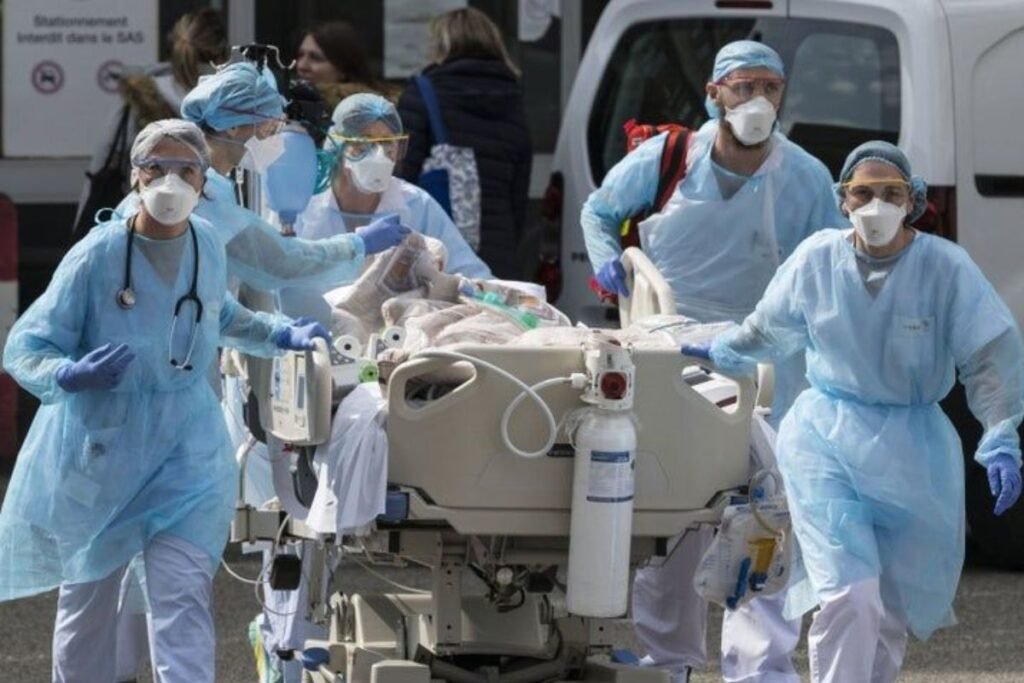
By Dr. Rishabh Gautam
MBBS, DA, FICM
Senior Anaesthetist, Intensivist
Abhisri Hospital, Unnao
Does a Ventilator Cause Death?
One of the most common fears among patients and their families is:
“Doctor, if my loved one is put on a ventilator, does that mean they won’t survive?”
This misconception has caused many families to delay or even refuse life-saving treatment.
The truth is simple:
A ventilator does not cause death. It is a machine designed to save lives when the lungs cannot do their job.
Let’s understand why this myth exists and what a ventilator actually does.
One of the most common fears among patients and their families is:
“Doctor, if my loved one is put on a ventilator, does that mean they won’t survive?”
This misconception has caused many families to delay or even refuse life-saving treatment.
In Intensive Care & Emergency Services, ventilators are one of the most important life-support systems used by doctors to stabilize critically ill patients. They provide breathing support during medical emergencies, giving the lungs time to recover while the underlying illness is treated.
The truth is simple:
A ventilator does not cause death. It is a machine designed to save lives when the lungs cannot do their job.
Let’s understand why this myth exists and what a ventilator actually does.
What Is a Ventilator?
A ventilator is a medical machine that helps a person breathe when they are unable to breathe adequately on their own.
It delivers oxygen to the lungs and removes carbon dioxide while allowing the body time to heal.
Think of it as a temporary support system—just like a cast supports a broken bone until it heals.
Why Do Patients Need a Ventilator?
Doctors may recommend ventilator support in conditions such as:
- Severe pneumonia
- COVID-19 infection
- Sepsis
- Acute Respiratory Distress Syndrome (ARDS)
- Major trauma
- Brain injury
- Stroke
- Poisoning
- During major surgeries under general anaesthesia
- Severe asthma attacks
- COPD exacerbations
In these situations, the disease—not the ventilator—is life-threatening.
Why Do People Think Ventilators Cause Death?
This misunderstanding usually arises because ventilators are used in critically ill patients.
Imagine two patients:
- One has a mild fever.
- Another has severe pneumonia with failing lungs.
The second patient is far more likely to require a ventilator because they are already critically ill.
If that patient unfortunately dies despite every effort, people may incorrectly conclude:
“The ventilator caused death.”
In reality:
The ventilator was the last attempt to save a life that was already at high risk because of the underlying illness.
A Simple Example
Suppose someone is drowning.
A lifeguard throws them a life jacket.
If the person is rescued, the life jacket helped.
If the person could not be saved because they had already been underwater for too long, would we blame the life jacket?
Of course not.
A ventilator works the same way—it provides support during the most critical phase of illness.
Can a Ventilator Save Lives?
Absolutely.
Every day, millions of patients around the world recover after receiving ventilator support.
It gives:
- Time for antibiotics to work
- Time for the lungs to recover
- Time for oxygen levels to improve
- Time for the body to heal
Without ventilator support, many of these patients would not survive.
Can Patients Come Off the Ventilator?
Yes.
Most patients are gradually weaned off the ventilator once they improve.
Doctors monitor:
- Oxygen levels
- Breathing effort
- Lung function
- Heart condition
- Consciousness
When it is safe, the breathing tube is removed.
Many patients return home after complete recovery.
Are There Any Risks?
Like any advanced medical treatment, ventilators have potential complications, including:
- Ventilator-associated pneumonia
- Lung injury if inappropriate settings are used
- Throat discomfort
- Need for sedation
- Weakness after prolonged ICU stay
However, modern ICUs follow strict protocols to minimize these risks.
The benefits of a ventilator far outweigh the risks when it is medically indicated.
The Importance of Timely Ventilator Support
Sometimes families refuse ventilator support because they believe it signals the end.
Unfortunately, delaying treatment can lead to:
- Severe oxygen deprivation
- Cardiac arrest
- Brain injury
- Multiple organ failure
Early intervention often offers the best chance of recovery.
What Happens Inside an ICU?
A ventilator is only one part of ICU care.
A team of specialists continuously monitors:
- Oxygen saturation
- Blood pressure
- Heart rhythm
- Kidney function
- Brain function
- Blood investigations
- Infection markers
The goal is to support every organ while treating the underlying disease.
How Families Can Help
If your loved one requires ICU care:
- Trust your treating doctors.
- Ask questions whenever you have doubts.
- Understand that the ventilator is a treatment—not a cause of death.
- Focus on giving the patient the best opportunity to recover.
Final Thoughts
The statement “Ventilators cause death” is one of the biggest myths in critical care medicine.
A ventilator is not a sign of giving up.
It is a sign that the medical team is doing everything possible to save a life.
In many hospitals, General Surgery Services work closely with intensive care specialists when patients require emergency operations or complex post-surgical care. If breathing becomes difficult after surgery or due to a critical illness, a ventilator provides essential respiratory support while the patient’s condition is treated and monitored.
Remember:
People do not die because they are placed on a ventilator. They need a ventilator because they are critically ill. The ventilator is there to improve their chances of survival—not reduce them.
Frequently Asked Questions
Does putting someone on a ventilator mean they will die?
No. A ventilator is used to support breathing in critically ill patients. Many patients recover and are successfully taken off ventilator support.
Can patients breathe normally again after a ventilator?
Yes. Once the lungs recover and the patient is strong enough, doctors gradually remove ventilator support.
Why are patients sedated on a ventilator?
Sedation helps patients remain comfortable and allows the ventilator to work effectively while the body heals.
Is a ventilator the last option?
Not always.
Sometimes doctors start ventilator support early to prevent further deterioration rather than waiting until the patient becomes critically unstable.