Protein in Urine: Causes and What It Means

Kidney-Friendly Diet: What to Eat and What to Avoid
October 7, 2026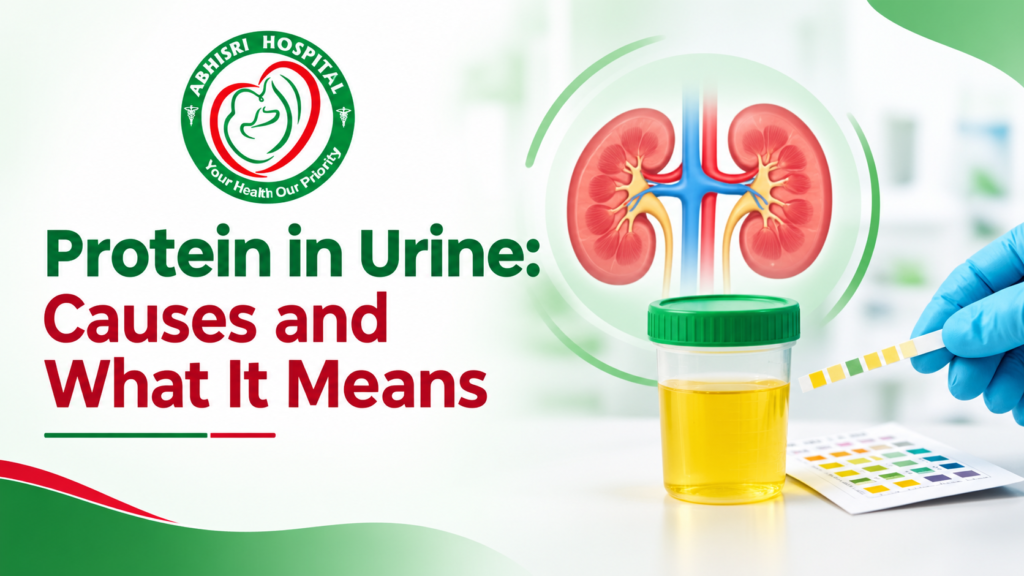
Protein in urine can sometimes be a temporary change, but persistent protein loss may indicate that the kidneys are not filtering blood properly. Understanding the possible causes, symptoms, tests, and treatment options can help you know when medical evaluation is needed. Abhisri Hospital provides comprehensive healthcare support, while a 24×7 Dialysis Centre Unnao can be important for patients who require ongoing kidney-care services.
Protein in Urine: What Does It Mean?
Normally, healthy kidneys filter waste products from the blood while keeping important proteins, especially albumin, in the bloodstream. When the kidney’s filtering units become damaged or temporarily stressed, protein may pass into the urine. This condition is commonly called proteinuria.
A small or temporary amount may occur after strenuous exercise, dehydration, fever, infection, or physical stress. However, protein detected repeatedly may require further investigation because it can be associated with kidney disease, diabetes, high blood pressure, or other health conditions.
What Causes Protein in Urine?
The causes range from temporary factors to underlying medical conditions. Identifying the cause usually requires a combination of medical history, urine testing, blood tests, and sometimes imaging.
Temporary Causes
Some situations can cause protein to appear in urine without permanent kidney damage. These may include:
- Dehydration
- Intense physical exercise
- Fever or acute illness
- Urinary tract infections
- Emotional or physical stress
- Exposure to very cold temperatures
- Pregnancy-related changes
In these cases, protein levels may return to normal once the underlying trigger resolves. A healthcare professional may recommend repeating the urine test to determine whether the finding persists.
Medical Conditions
Persistent proteinuria can be linked to conditions that affect kidney function. Common causes include:
- Diabetes and diabetic kidney disease
- High blood pressure
- Chronic kidney disease
- Glomerulonephritis
- Lupus and other autoimmune disorders
- Certain infections
- Heart-related conditions
- Some medications or toxic exposures
Because several different conditions can produce similar urine findings, self-diagnosis is not recommended.
Symptoms You Should Not Ignore
Mild protein loss may not cause noticeable symptoms. In many people, it is discovered during a routine health check or urine examination.
As kidney problems progress, symptoms can include:
- Foamy or unusually bubbly urine
- Swelling around the eyes
- Swelling in the feet, ankles, or legs
- Unexplained tiredness
- Changes in urination frequency
- Shortness of breath caused by fluid buildup
- Loss of appetite or nausea in advanced kidney disease
Foamy urine alone does not necessarily mean there is a kidney disorder. However, persistent changes accompanied by swelling or other symptoms should be assessed by a healthcare professional.
How Is Protein in Urine Diagnosed?
A urine test is usually the first step. Depending on the result, a doctor may recommend additional testing to determine whether the protein loss is temporary or persistent.
Urine Tests
A routine urine examination can detect protein. Doctors may also use a urine albumin-to-creatinine ratio (UACR) or protein-to-creatinine ratio to estimate the amount of protein being lost without requiring a full 24-hour urine collection.
Blood and Kidney Function Tests
Blood tests can assess creatinine and estimated glomerular filtration rate (eGFR), which provide information about kidney function. Blood pressure, blood glucose, and other investigations may also be recommended depending on the patient’s medical history.
If persistent abnormalities are identified, additional tests such as kidney ultrasound or other specialized investigations may be considered.
When Should You See a Doctor?
A single abnormal urine test does not always indicate serious disease. However, medical evaluation is particularly important when protein is detected repeatedly or when it occurs with high blood pressure, diabetes, swelling, blood in urine, or reduced kidney function.
Pregnant women with newly detected proteinuria and elevated blood pressure should receive prompt medical assessment because protein in urine can be associated with preeclampsia.
People with known kidney disease should follow their healthcare provider’s recommended schedule for urine and blood testing. Early detection can help doctors address contributing conditions and protect remaining kidney function.
How Is Protein in Urine Treated?
Treatment depends on the underlying cause rather than the urine finding itself. If dehydration or an infection is responsible, addressing that problem may resolve the abnormal result.
For people with diabetes or high blood pressure, controlling blood glucose and blood pressure can help reduce kidney damage. Doctors may prescribe medicines that protect kidney function and reduce albumin loss when appropriate.
Patients with advanced kidney disease may require specialized nephrology care. Abhisri Hospital can support patients with evaluation, monitoring, and appropriate referral or kidney-care management based on individual needs.
Lifestyle Measures
Helpful habits may include:
- Staying adequately hydrated unless fluid restriction has been prescribed
- Maintaining healthy blood pressure and blood sugar levels
- Avoiding unnecessary painkillers and other medicines without medical advice
- Following a balanced diet recommended by a healthcare professional
- Maintaining a healthy body weight
- Avoiding smoking
- Attending regular kidney-function checks when advised
Do not dramatically increase or restrict dietary protein without professional guidance. Nutritional needs vary according to kidney function, age, diabetes status, and other health factors.
Can Proteinuria Lead to Kidney Disease?
Proteinuria can be both a sign and a contributor to kidney damage. Persistent albumin leakage may indicate injury to the kidney’s filtering system and can be associated with a higher risk of chronic kidney disease and cardiovascular complications.
The level and persistence of protein loss matter. Doctors therefore consider urine results together with eGFR, blood pressure, diabetes status, age, symptoms, and other clinical findings rather than relying on one test alone.
Quick Takeaways
- Protein detected in urine can be temporary or related to kidney disease.
- Repeated protein findings deserve medical evaluation.
- Diabetes and high blood pressure are important risk factors for kidney damage.
- UACR and kidney-function tests can help assess the problem.
- Treatment focuses on the underlying cause and protecting kidney function.
- Do not start supplements, restrictive diets, or medicines without professional advice.
Conclusion
Protein in urine should not automatically be viewed as a sign of severe kidney disease, but persistent findings should never be ignored. Timely testing can help identify conditions such as diabetes-related kidney damage, hypertension, or chronic kidney disease at an earlier stage. Maintaining blood pressure and blood sugar control, following medical advice, and attending recommended kidney check-ups can support long-term health. For reliable medical evaluation and kidney-care guidance, Abhisri Hospital can help patients understand their results and choose appropriate next steps.
FAQs
1. Is protein in urine always serious?
No. Temporary proteinuria can occur due to dehydration, fever, exercise, or illness. Persistent protein requires medical evaluation.
2. Can dehydration cause proteinuria?
Yes. Significant dehydration can temporarily increase protein concentration in urine. Adequate hydration and repeat testing may be advised.
3. Does proteinuria mean the kidneys are failing?
Not necessarily. Proteinuria can occur at different stages of kidney disease, and some causes are temporary or treatable.
4. What test measures protein in urine?
Doctors commonly use a urine albumin-to-creatinine ratio or protein-to-creatinine ratio. A routine urine test may also detect protein.
5. Can proteinuria be treated?
Yes, depending on its cause. Treatment may involve managing diabetes or blood pressure, addressing infections, using kidney-protective medicines, and monitoring kidney function.