Gallstones: When Is Surgery Necessary? A Complete Guide for Patients

Ventilator Causes Death? The Truth Behind One of the Biggest ICU Myths
July 17, 2026
What Foods Increase Haemoglobin? A Complete Indian Diet Guide to Prevent Anaemia
July 22, 2026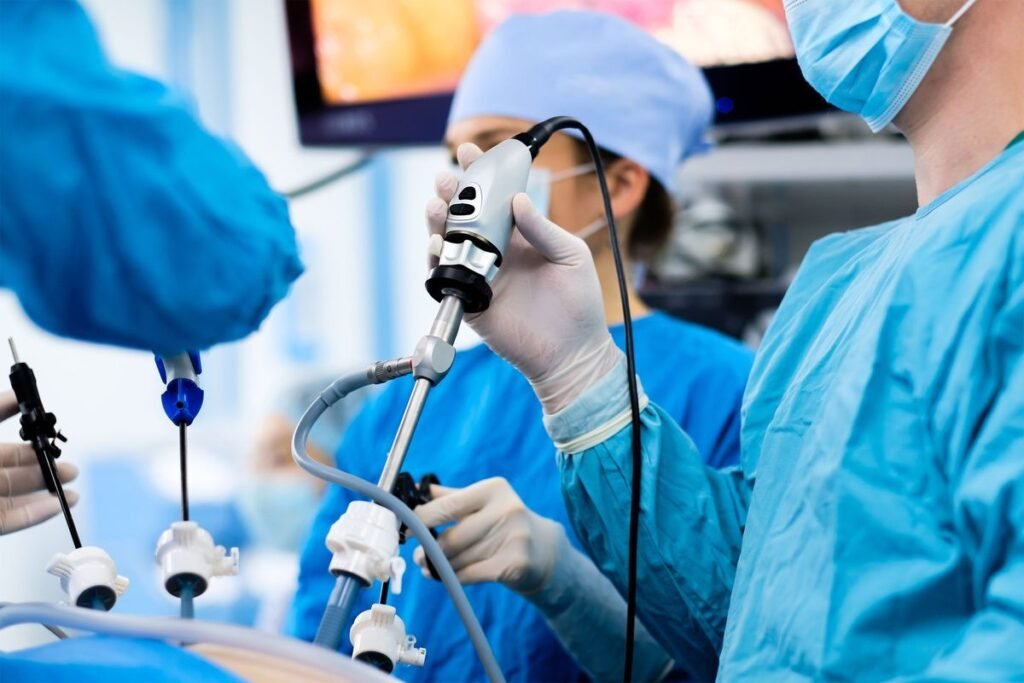
Gallstones: A Common Problem That Shouldn’t Be Ignored
Gallstones are one of the most common digestive disorders affecting adults. Many people discover they have gallstones during a routine ultrasound, even when they have no symptoms. This often leads to an important question:
Do all gallstones require surgery?
The answer is No. However, some gallstones can cause serious complications if left untreated. If you are experiencing symptoms such as recurring abdominal pain, nausea, or digestive discomfort, consulting experts who provide General Surgery Services in Unnao can help determine whether surgery or conservative management is the right option. Understanding when surgery is necessary can help you avoid emergencies and protect your health.
What Are Gallstones?
Gallstones are hardened deposits that form inside the gallbladder, a small organ located beneath the liver. The gallbladder stores bile, which helps digest fats.
Gallstones may be as small as a grain of sand or as large as a golf ball. Some people have one stone, while others develop multiple stones.
Types of Gallstones
There are two main types:
- Cholesterol stones (most common)
- Pigment stones, usually associated with certain blood disorders or liver diseases
What Causes Gallstones?
Several factors increase the risk of developing gallstones:
- Female gender
- Age above 40 years
- Obesity
- Rapid weight loss
- Pregnancy
- Diabetes
- High-fat diet
- Family history
- High cholesterol
Symptoms of Gallstones
Many gallstones never cause symptoms. These are called silent gallstones.
When symptoms develop, they may include:
- Sudden pain in the upper right abdomen
- Pain after eating fatty meals
- Pain radiating to the back or right shoulder
- Nausea and vomiting
- Indigestion
- Bloating
The pain may last from a few minutes to several hours.
Warning Signs That Require Immediate Medical Attention
Seek emergency medical care if you experience:
- Severe abdominal pain lasting more than 4–6 hours
- High fever with chills
- Yellowing of the eyes or skin (jaundice)
- Persistent vomiting
- Dark urine
- Confusion or severe weakness
These symptoms may indicate a serious complication requiring urgent treatment.
When Is Gallbladder Surgery Necessary?
Surgery is recommended in the following situations:
1. Recurrent Gallstone Pain (Biliary Colic)
If gallstones repeatedly cause abdominal pain, surgery is the best long-term solution.
Ignoring repeated attacks often leads to complications.
2. Acute Cholecystitis (Gallbladder Infection)
When a gallstone blocks the gallbladder, infection and inflammation can occur.
Symptoms include:
- Severe pain
- Fever
- Vomiting
- Tenderness over the right upper abdomen
Early surgery usually provides the best outcome.
3. Gallstone Pancreatitis
Sometimes a gallstone blocks the pancreatic duct, causing inflammation of the pancreas.
This condition can become life-threatening and often requires hospital admission followed by gallbladder removal once the patient is stable.
4. Stones in the Common Bile Duct (Choledocholithiasis)
Gallstones may move into the bile duct, causing:
- Jaundice
- Infection (cholangitis)
- Pancreatitis
These patients often require endoscopic stone removal (ERCP) followed by laparoscopic gallbladder surgery.
5. Gallbladder Polyps Associated with Stones
Certain polyps increase the risk of gallbladder cancer. Surgery may be recommended depending on the size of the polyp and associated risk factors.
6. Porcelain Gallbladder
This rare condition carries a higher risk of gallbladder cancer, and surgery is generally advised.
Do Silent Gallstones Need Surgery?
Most people with gallstones but no symptoms do not require surgery.
However, surgery may be advised in selected situations, such as:
- Very large gallstones (typically larger than 2–3 cm)
- Calcified (porcelain) gallbladder
- Certain gallbladder polyps
- People with chronic hemolytic disorders
- Some patients with limited access to emergency medical care, after careful discussion with their surgeon
Your surgeon will recommend the best approach based on your individual risk.
Is Laparoscopic Gallbladder Surgery Safe?
Yes.
Laparoscopic cholecystectomy is the gold standard treatment for symptomatic gallstones.
Benefits of Laparoscopic Surgery
- Small incisions
- Less pain
- Minimal blood loss
- Faster recovery
- Short hospital stay
- Early return to normal activities
- Better cosmetic results
Most patients can walk within a few hours after surgery and return home within 24–48 hours, depending on their recovery.
The Importance of Safe Anaesthesia
Modern anaesthesia has made gallbladder surgery remarkably safe.
Before surgery, every patient undergoes a detailed pre-anaesthetic evaluation to assess:
- Heart function
- Lung health
- Blood pressure
- Diabetes control
- Allergies
- Current medications
This individualized assessment helps minimize risks and supports a smooth recovery.
Recovery After Gallbladder Surgery
Most patients recover quickly.
Recovery Tips
- Walk on the same day, if advised
- Eat light meals initially
- Drink adequate fluids
- Avoid heavy lifting for a few weeks
- Follow your surgeon’s wound care instructions
- Attend scheduled follow-up visits
Most people return to desk work within a week, though recovery varies by individual and occupation.
Can Gallstones Be Dissolved with Medicines?
Medications can dissolve only certain cholesterol stones and usually require months or years of treatment. Stones often recur after stopping the medicine.
For symptomatic gallstones, surgery remains the most effective and definitive treatment.
Can Gallstones Be Prevented?
While not all gallstones can be prevented, you can lower your risk by:
- Maintaining a healthy weight
- Avoiding crash diets
- Exercising regularly
- Eating a balanced, high-fiber diet
- Limiting fried and fatty foods
- Managing diabetes and cholesterol effectively
Final Thoughts
Gallstones are common, but they should never be ignored when they cause symptoms. Early evaluation and timely treatment can prevent serious complications such as infection, pancreatitis, and bile duct obstruction.
If you have persistent abdominal pain, especially after meals, consult a qualified surgeon promptly. Choosing a healthcare facility with experienced surgeons and access to Best ICU Hospitals in Unnao ensures comprehensive care and immediate support if complications arise. Early diagnosis and modern laparoscopic surgery offer excellent outcomes, allowing most patients to return to normal life quickly and safely.
Frequently Asked Questions
Can gallstones disappear on their own?
No. Most gallstones remain unless removed surgically or, in selected cases, treated with medication.
Is surgery painful?
Modern laparoscopic surgery and anaesthesia make postoperative pain much milder than many patients expect, and effective pain relief is routinely provided.
Can I live without my gallbladder?
Yes. The liver continues to produce bile, and most people digest food normally after recovery.
Is gallbladder surgery an emergency?
Not always. Many cases are planned electively. However, infection, jaundice, pancreatitis, or severe complications may require urgent treatment.
About the Author
Dr. Rishabh Gautam
MBBS, DA, FICM
Senior Anaesthesiologist, Intensivist & Pain Specialist
Abhisri Multispeciality Hospital, Unnao
Dr. Rishabh Gautam is committed to ensuring safe anaesthesia, advanced perioperative care, and optimal recovery for patients undergoing surgical procedures.