What Foods Increase Haemoglobin? A Complete Indian Diet Guide to Prevent Anaemia

Gallstones: When Is Surgery Necessary? A Complete Guide for Patients
July 18, 2026
Ventilator Causes Death? The Truth Behind One of the Biggest ICU Myths
July 29, 2026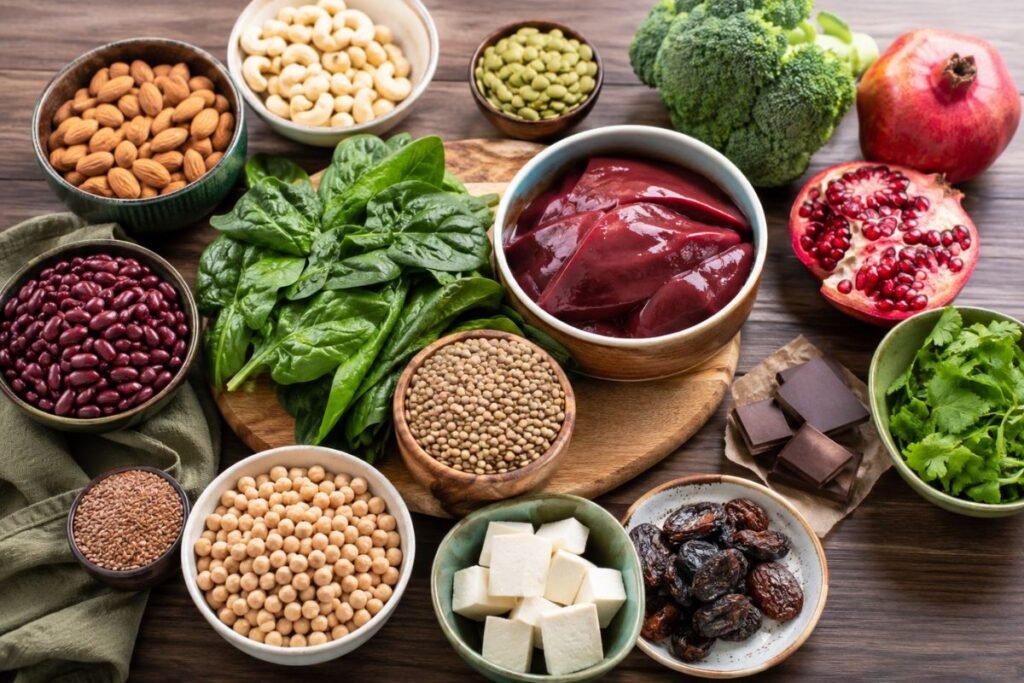
By Dr. Abha Shrikrishna Shriwastav
MBBS, DGO, FMAS, Fellowship in IVF (BIFS, Delhi)
Senior Obstetrician & Gynaecologist | Infertility Specialist
Abhisri Hospital, Unnao
Low Haemoglobin? Your Diet Can Make a Big Difference
Haemoglobin is a protein found in red blood cells that carries oxygen from your lungs to every part of your body. When haemoglobin levels are low, your body doesn’t receive enough oxygen, leading to fatigue, weakness, dizziness, poor concentration, and reduced physical performance.
Anaemia is one of the most common nutritional deficiencies in India, affecting women, pregnant mothers, adolescent girls, and children. While iron supplements and medical treatment are often necessary, a healthy diet plays a vital role in increasing haemoglobin naturally and preventing iron deficiency.
For women experiencing low haemoglobin during pregnancy or due to heavy menstrual bleeding, consulting the Best Obstetrician in Unnao can help identify the underlying cause and ensure timely treatment alongside appropriate dietary recommendations.
This guide explains the best foods to increase haemoglobin, how to improve iron absorption, and the dietary habits that support healthy blood formation.
Why Is Haemoglobin Important?
Haemoglobin is essential for maintaining overall health because it helps transport oxygen throughout the body. Healthy haemoglobin levels support:
- Oxygen delivery to tissues and organs
- Better energy and stamina
- Improved brain function and concentration
- Strong immunity
- Healthy growth and development in children
- A healthy pregnancy for both mother and baby
Low haemoglobin can reduce your quality of life and, if left untreated, may lead to serious health complications.
Common Signs and Symptoms of Low Haemoglobin
Low haemoglobin may develop gradually, and symptoms can worsen over time.
Common signs include:
- Constant tiredness
- Weakness
- Pale skin and lips
- Shortness of breath
- Frequent headaches
- Dizziness
- Rapid heartbeat
- Difficulty concentrating
- Hair fall
- Brittle nails
If these symptoms continue for several days or weeks, consult your doctor and undergo a blood test to identify the underlying cause.
Top 10 Foods That Increase Haemoglobin Naturally
1. Green Leafy Vegetables
Green leafy vegetables are among the best vegetarian sources of iron, folate, and essential vitamins.
Include:
- Spinach (Palak)
- Fenugreek (Methi)
- Mustard Greens (Sarson)
- Amaranth Leaves (Chaulai)
- Drumstick Leaves (Moringa)
Aim to eat leafy vegetables at least 3–4 times every week.
2. Jaggery (Gur)
Jaggery contains small amounts of iron and several minerals. Although it cannot replace prescribed iron supplements, it can be a healthier alternative to refined sugar when consumed in moderation.
People with diabetes should consult their doctor before increasing jaggery intake.
3. Dates and Raisins
Dates and raisins provide:
- Iron
- Fibre
- Natural sugars
- Potassium
They make an excellent healthy snack and can easily be added to breakfast, smoothies, or evening meals.
4. Beetroot
Beetroot is commonly associated with improving blood health. Although it is not exceptionally rich in iron, it provides:
- Folate
- Vitamin C
- Antioxidants
These nutrients support healthy red blood cell production and overall nutrition.
5. Pomegranate
Pomegranate contains antioxidants, vitamin C, and small amounts of iron. While it contributes to a healthy diet, it should not be considered a standalone treatment for anaemia.
6. Lentils and Pulses
Indian dals and pulses are excellent plant-based sources of iron and protein.
Choose foods such as:
- Masoor Dal
- Moong Dal
- Chana Dal
- Rajma
- Urad Dal
- Kala Chana
- Soybeans
Including pulses in daily meals helps improve overall nutrition.
7. Nuts and Seeds
Nuts and seeds provide iron along with healthy fats and minerals.
Healthy choices include:
- Pumpkin Seeds
- Sesame Seeds (Til)
- Flaxseeds
- Almonds
- Cashews
A small handful every day can be beneficial.
8. Whole Grains and Millets
Millets are naturally rich in iron, fibre, and several essential minerals.
Healthy options include:
- Ragi
- Bajra
- Jowar
Replacing refined grains with whole grains supports better nutrition and improved iron intake.
9. Iron-Rich Non-Vegetarian Foods
Animal-based foods contain heme iron, which is absorbed much more efficiently by the body than plant-based iron.
Include:
- Lean red meat (occasionally)
- Chicken
- Fish
- Eggs (especially the yolk)
Liver is extremely rich in iron but should only be eaten occasionally and is generally avoided during pregnancy because of its very high vitamin A content.
10. Vitamin C-Rich Foods That Improve Iron Absorption
Vitamin C significantly increases iron absorption from plant foods.
Pair iron-rich meals with:
- Amla
- Guava
- Oranges
- Sweet Lime (Mosambi)
- Kiwi
- Tomatoes
- Lemon
- Capsicum
Adding fresh lemon juice to dal, salads, or vegetables is one of the easiest ways to improve iron absorption.
Foods That Reduce Iron Absorption
Certain foods and beverages interfere with iron absorption if consumed with meals.
Avoid taking these immediately before or after iron-rich meals:
- Tea
- Coffee
- Cola drinks
- Excess dairy products
- Calcium supplements (unless prescribed)
Maintain at least a one to two-hour gap whenever possible.
Best Indian Diet Plan to Increase Haemoglobin
Healthy Breakfast
- Vegetable Poha with peanuts and lemon
- Ragi Dosa with chutney
- Sprouted Moong Salad
- Boiled Eggs with seasonal fruit
Nutritious Lunch
- Bajra or Whole Wheat Roti
- Palak Dal
- Kala Chana
- Mixed Vegetable Sabzi
- Fresh salad with lemon
Evening Snacks
- Roasted Chana
- Dates
- Raisins
- Guava
- Orange
Healthy Dinner
- Rajma or Soybean Curry
- Brown Rice or Millet Roti
- Green Leafy Vegetable
- Tomato and Cucumber Salad
Special Dietary Advice for Pregnant Women
Pregnancy increases the body’s iron requirements considerably.
To maintain healthy haemoglobin during pregnancy:
- Eat iron-rich foods daily.
- Take iron and folic acid tablets exactly as prescribed.
- Never stop supplements without medical advice.
- Include vitamin C-rich foods with meals.
- Attend regular antenatal check-ups.
Maintaining adequate haemoglobin helps reduce the risk of:
- Preterm birth
- Low birth weight
- Maternal fatigue
- Pregnancy-related complications
Can Diet Alone Treat Anaemia?
Not always.
Mild anaemia may improve gradually through dietary changes.
However, moderate to severe anaemia usually requires medical treatment such as:
- Iron tablets
- Iron infusions
- Vitamin supplementation
- Treatment for heavy menstrual bleeding
- Management of nutritional deficiencies
- Investigation of gastrointestinal disorders or infections
Always consult your doctor before starting any treatment.
Tips to Naturally Maintain Healthy Haemoglobin
- Eat iron-rich foods every day.
- Include vitamin C with every iron-rich meal.
- Limit tea and coffee around meal times.
- Consume a balanced diet rich in proteins and whole grains.
- Follow your doctor’s advice regarding iron supplements.
- Get regular blood tests if you are at risk of anaemia.
Final Thoughts
Maintaining healthy haemoglobin requires a combination of nutritious eating habits, timely medical care, and regular health check-ups. Green leafy vegetables, pulses, whole grains, nuts, seeds, iron-rich animal foods, and vitamin C-rich fruits all contribute to healthy blood formation.
In some cases, anaemia may be linked to underlying medical conditions such as gastrointestinal bleeding or other health concerns that require specialised care. If needed, consulting experts who provide General Surgery Services in Unnao can help diagnose and manage conditions contributing to low haemoglobin levels.
However, persistent fatigue, dizziness, pale skin, or confirmed low haemoglobin should never be ignored. Early diagnosis and appropriate treatment can prevent complications and significantly improve your overall health and quality of life.
If you suspect anaemia, consult a qualified doctor for proper evaluation, blood tests, and a personalised treatment plan.
Frequently Asked Questions
Which fruit increases haemoglobin the fastest?
No fruit alone can rapidly increase haemoglobin. Fruits rich in vitamin C, such as guava, amla, oranges, and sweet lime, improve iron absorption and support healthy blood formation.
Is spinach enough to cure anaemia?
No. Spinach is highly nutritious, but moderate to severe anaemia usually requires iron supplementation and medical treatment.
Can children develop anaemia?
Yes. Iron deficiency anaemia is common in children and may affect growth, learning ability, and immunity. A balanced diet and regular health check-ups are important.
How long does it take to increase haemoglobin?
With proper treatment and a healthy diet, haemoglobin levels often begin improving within a few weeks. Complete recovery may take several months depending on the severity and underlying cause.
About the Author
Dr. Abha Shrikrishna Shriwastav
MBBS, DGO, FMAS, Fellowship in IVF (BIFS, Delhi)
Senior Obstetrician & Gynaecologist | Infertility Specialist
Abhisri Hospital, Unnao
Dr. Abha Shrikrishna Shriwastav has extensive experience in women’s healthcare, infertility management, pregnancy care, and nutritional health. She specialises in the diagnosis and treatment of anaemia during pregnancy, high-risk pregnancies, menstrual disorders, and preventive women’s healthcare, helping patients achieve healthier pregnancies and improved overall well-being.