Understanding Viral Fever: Symptoms, Recovery, and Critical Red Flags

Heavy Periods: Causes, Symptoms and Treatment Options for Women
September 18, 2026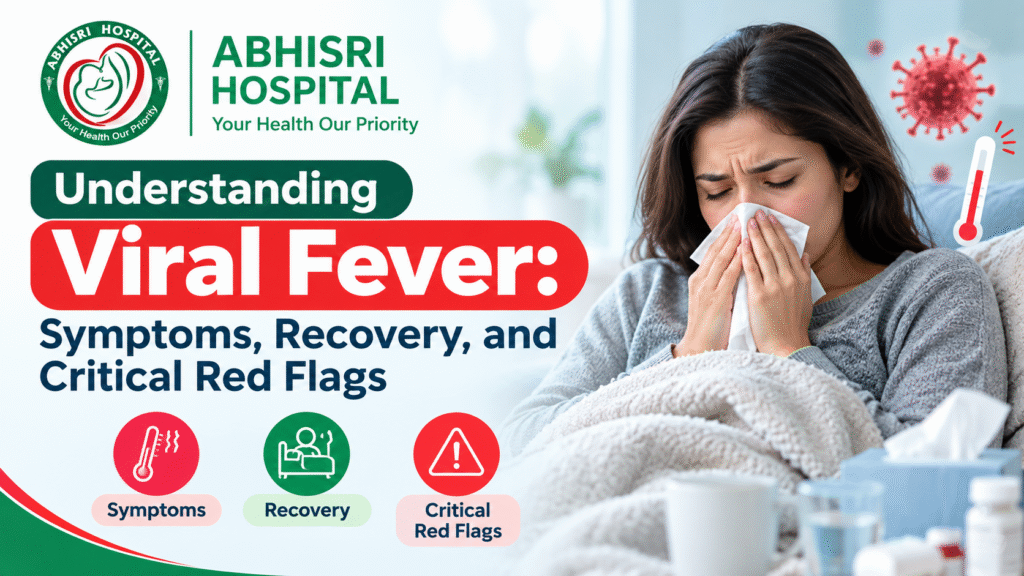
By Dr. Rishabh Gautam, MBBS, DA, FICM
Anaesthetist & Intensivist
Seasonal changes often bring an increase in viral infections and cases of viral fever. While a rise in body temperature is part of the body’s natural immune response to an infection, symptoms such as fatigue, body aches, chills, and weakness can significantly affect daily life. For patients looking for reliable medical guidance, a multispecialty hospital in Unnao can provide appropriate evaluation and care when symptoms require medical attention. Abhisri Hospital focuses on providing comprehensive healthcare support for patients with different medical needs.
As a critical care specialist, I frequently see patients who either overlook important warning signs or take medications unnecessarily. Understanding the common symptoms, appropriate home care, and critical red flags can help you manage viral fever safely and know when medical attention is needed.
Common Symptoms of Viral Fever
Viral infections can cause different symptoms depending on the virus involved. However, some common symptoms include:
- Elevated Body Temperature: Fever may be low-grade or high-grade and can fluctuate throughout the day.
- Severe Body and Joint Aches: Generalized muscle pain, body aches, and joint stiffness are common.
- Respiratory Symptoms: Runny nose, sore throat, nasal congestion, or a dry cough may occur.
- Gastrointestinal Symptoms: Some viral infections may cause nausea, vomiting, abdominal discomfort, or loose stools.
- General Fatigue: Significant weakness, tiredness, and reduced appetite may accompany the fever.
Essential Home Care for Viral Fever
For most uncomplicated viral infections, supportive care plays an important role in recovery. The following measures can help manage symptoms and prevent dehydration.
Prioritize Hydration
Fever can increase fluid loss from the body. Drink plenty of water and consider oral rehydration solutions (ORS), clear soups, or coconut water to help maintain hydration and electrolyte balance.
Get Adequate Rest
Rest gives your body the energy it needs to fight the infection. Avoid strenuous exercise and physically demanding activities until you have recovered adequately.
Manage Fever Responsibly
Paracetamol may be used as directed for fever and discomfort when appropriate. Always follow the recommended dose and consider your individual medical conditions and other medications.
Avoid taking antibiotics without a physician’s prescription. Antibiotics treat bacterial infections, not viral infections, and unnecessary antibiotic use can contribute to antibiotic resistance.
Choose Light, Nutritious Meals
If your appetite is reduced, choose foods that are easy to digest. Options such as khichdi, soups, fruits, and other light meals can provide nutrition without putting unnecessary strain on the digestive system.
Viral Fever: When Should You Consult a Doctor?
Most uncomplicated viral fevers improve with supportive care. However, some symptoms can indicate a more serious infection or complication and should not be ignored.
Seek prompt medical evaluation if you experience:
- Fever that persists beyond 3 to 5 days without signs of improvement.
- Difficulty breathing or chest pain.
- Severe or persistent headache or neck stiffness.
- Continuous vomiting or inability to keep fluids down.
- Unexplained skin rashes, bleeding from the gums or nose, or unusual bruising.
- Confusion, extreme lethargy, or altered consciousness.
These symptoms may require further examination, testing, or treatment depending on the underlying cause.
When to Seek Immediate Medical Attention
Some symptoms require urgent medical attention rather than continued home management. Difficulty breathing, chest pain, altered consciousness, significant bleeding, severe dehydration, or rapidly worsening symptoms should be treated as medical emergencies.
Do not wait for the fever to resolve on its own when serious warning signs are present.
Key Takeaway
Viral fever is often self-limiting, but appropriate hydration, adequate rest, proper nutrition, and responsible medication use can support recovery. At the same time, persistent or worsening symptoms should not be ignored.
Stay informed, monitor your symptoms, avoid unnecessary medications, and consult a qualified physician if your condition worsens or does not improve as expected. Abhisri Hospital can be considered for professional medical evaluation and guidance when viral fever symptoms require further assessment or treatment.