High Potassium Can Cause Sudden Cardiac Arrest: What Every Patient & Attendant Should Know
Unusual Vaginal Discharge: Causes, Symptoms & Treatment
August 7, 2026
ICU Is Not the End: The Truth Every Family Must Know
August 20, 2026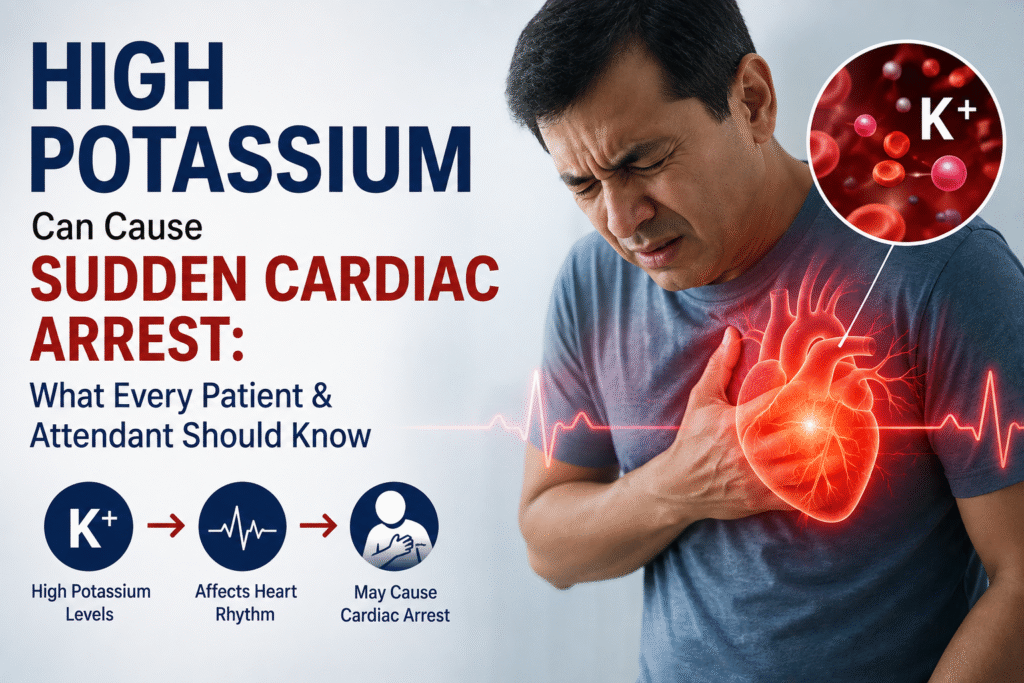
By Dr. Rishabh Gautam, MBBS, DA, FICM
Anaesthetist | Intensivist & Pain Specialist
Potassium is an important mineral needed by our body. It helps our muscles, nerves and heart work properly.
But when potassium in the blood becomes too high, it can become dangerous.
A condition called hyperkalemia (high potassium) can disturb the electrical activity of the heart and, in severe cases, may cause dangerous heart rhythms, cardiac arrest, and even sudden death. Since severe hyperkalemia requires urgent medical attention, patients should seek immediate care at one of the best ICU hospitals in unnao for timely monitoring, diagnosis, and emergency treatment.
That is why a report showing very high potassium should never be ignored.
Why Is High Potassium Dangerous?
Our heart beats because of electrical signals. Potassium plays an important role in these signals.
When potassium becomes too high, the normal electrical activity of the heart can be disturbed.
This can lead to:
* Abnormal heartbeat
* Very slow or irregular heart rate
* Dangerous heart rhythms
* Loss of consciousness
* Sudden cardiac arrest
The patient may not always have severe symptoms before the heart becomes unstable.
Who Is at Higher Risk?
High potassium is particularly common in people with:
🩺 Kidney Disease
The kidneys normally remove excess potassium from the body. When the kidneys are not working properly, potassium can accumulate in the blood.
Patients with kidney failure or those on dialysis are therefore at increased risk.
💊 Certain Medicines
Some medicines can increase potassium levels, especially in patients with kidney problems.
Therefore, patients should inform their doctor about all medicines, supplements and herbal preparations they are taking.
🏥 Critically Ill Patients
Patients admitted to the ICU with conditions such as:
* Severe infection
* Acute kidney injury
* Major trauma
* Severe burns
* Severe dehydration
* Uncontrolled diabetes
* Extensive tissue injury
may develop high potassium.
What Are the Symptoms of High Potassium?
Sometimes there may be no symptoms at all.
When symptoms occur, they may include:
* Severe weakness
* Tiredness
* Numbness or tingling
* Nausea or vomiting
* Palpitations
* Dizziness
* Fainting
* Difficulty breathing
* Irregular heartbeat
Do not wait for symptoms if a blood test has already shown significantly high potassium.
Why Is an ECG Done?
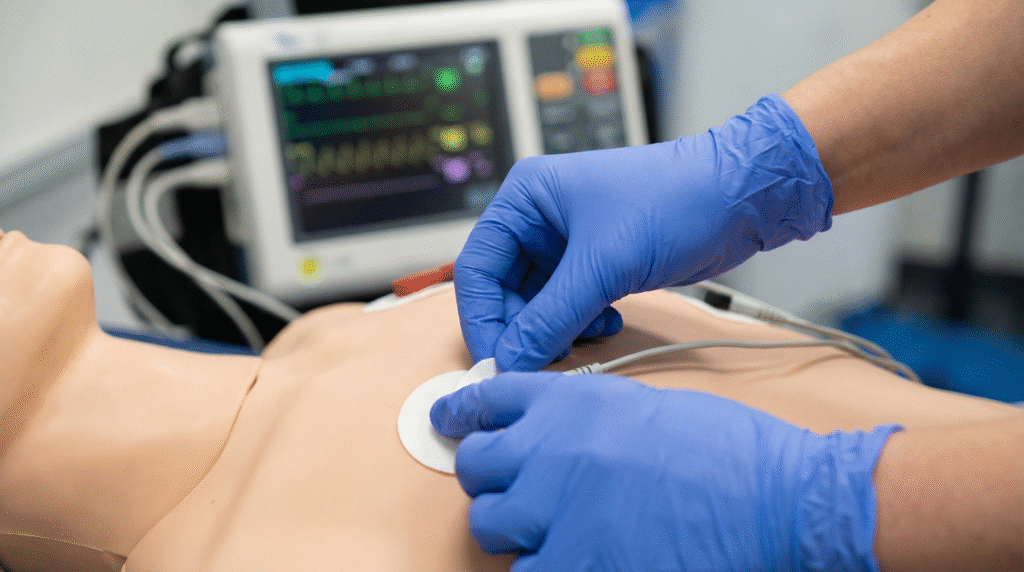
If potassium is significantly elevated, doctors may perform an ECG (heart tracing) to check whether high potassium is affecting the heart.
ECG changes can sometimes indicate that the heart is at risk of developing a dangerous rhythm.
However, it is important to understand that a normal ECG does not always mean that high potassium is safe.
Doctors consider the potassium level, ECG, kidney function, symptoms and overall condition of the patient together.

Can High Potassium Cause Sudden Cardiac Arrest?
Very high potassium can severely interfere with the heart’s electrical system.
In severe cases, the heart may develop a life-threatening rhythm and stop pumping effectively.
This is why doctors may treat severe hyperkalemia as an emergency, even when the patient appears relatively comfortable.
Why Do Doctors Act So Quickly?
Attendants sometimes wonder:
“The patient is talking normally. Why are doctors so worried about the potassium report?”
The reason is simple:
High potassium can sometimes become dangerous without giving many warning symptoms.
Doctors may therefore immediately repeat blood tests, perform an ECG, start monitoring and give treatment to reduce the risk of a dangerous heart rhythm.
This rapid treatment is intended to prevent cardiac arrest—not wait for it to happen.
Can High Potassium Be Treated?
Yes. Treatment depends on the potassium level, ECG findings, kidney function and the underlying cause.
Doctors may use medicines that:
* Protect the heart from the effects of high potassium
* Temporarily move potassium from the blood into the cells
* Help remove potassium from the body
If the kidneys are severely damaged and potassium remains dangerously high, dialysis may be necessary to remove potassium from the blood.
Important Advice for Kidney Patients
If you have kidney disease or are undergoing dialysis:
* Get potassium checked as advised by your doctor.
* Take medicines exactly as prescribed.
* Do not take potassium supplements without medical advice.
* Do not use potassium-containing salt substitutes without discussing them with your doctor.
* Follow the diet recommended for your kidney condition.
* Inform your doctor if you develop weakness, palpitations, dizziness or fainting.
Do not make major dietary or medication changes on your own. Potassium requirements differ from patient to patient.
A Message for Patient Attendants
If your family member is in the hospital and the doctor tells you that their potassium is very high, please take it seriously even if the patient looks comfortable.
High potassium can affect the heart suddenly.
The medical team may recommend:
Blood tests → ECG → Continuous monitoring → Urgent treatment → Dialysis when required
These steps are taken to prevent potentially life-threatening complications.
Remember:
High potassium may be silent, but its effect on the heart can be sudden.
Early detection and timely treatment can save a life.
If a patient has severe weakness, fainting, palpitations, collapse, breathing difficulty or a known very high potassium level, seek emergency medical attention immediately.
Frequently Asked Questions
Is high potassium dangerous?
Yes. Mild elevation may cause few problems, but significantly high potassium can cause dangerous heart rhythms and cardiac arrest.
Can high potassium cause sudden death?
Severe hyperkalemia can cause life-threatening arrhythmias and cardiac arrest if not treated promptly.
Why is potassium high in kidney patients?
Healthy kidneys remove excess potassium through urine. When kidney function is severely reduced, potassium can accumulate in the blood.
Can dialysis reduce high potassium?
Yes. Dialysis can remove potassium from the bloodstream and may be lifesaving in severe or treatment-resistant hyperkalemia.
Can a patient have high potassium without symptoms?
Yes. Hyperkalemia can sometimes produce few or no symptoms, which is why blood testing and medical assessment are important.

Final Message
Never ignore a significantly high potassium report.
A patient may look perfectly normal while high potassium is already affecting the heart.
If your doctor recommends an urgent ECG, continuous monitoring, treatment, or dialysis, it is because the goal is to prevent a dangerous heart rhythm or cardiac arrest before it happens. Access to comprehensive multispeciality healthcare services in unnao can help ensure timely evaluation, emergency management, and appropriate specialist care when hyperkalemia becomes severe.
Timely treatment saves lives.
Dr. Rishabh Gautam, MBBS, DA, FICM
Anaesthetist | Intensivist & Pain Specialist
Abhisri Hospital, Unnao
This article is for general awareness and does not replace evaluation and treatment by a qualified doctor.