First Trimester Pregnancy Care: Essential Tips for Expecting Mothers

Protein in Urine: Causes and What It Means
October 8, 2026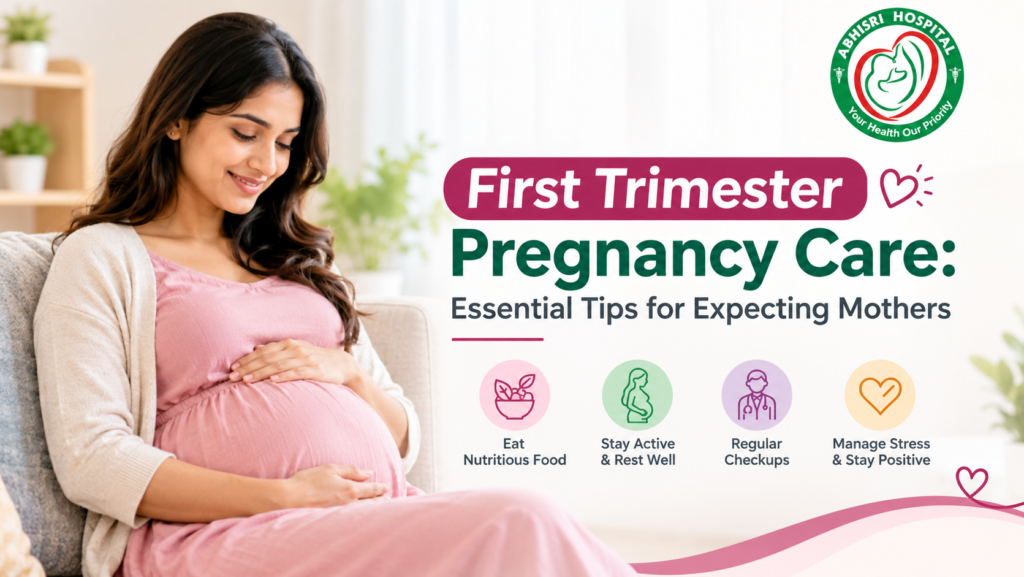
The first three months of pregnancy bring important physical and emotional changes as the baby begins to develop. Following proper first trimester pregnancy care helps expecting mothers understand these changes, build healthy routines, and prepare for the months ahead. Early prenatal appointments, balanced nutrition, adequate rest, and guidance from a qualified healthcare professional are essential during this stage.
At Abhisri Hospital, expecting mothers can seek professional guidance to understand their pregnancy needs and make informed decisions. Consulting the Best Gynecologist in Unnao can help mothers receive appropriate prenatal advice, monitor their health, and address concerns early.
Why First Trimester Pregnancy Care Is Important
The first trimester typically covers weeks 1–12 of pregnancy. During this period, major organs and body systems begin to form, while the mother’s body adjusts to hormonal changes. Proper medical supervision helps identify potential concerns and supports healthy pregnancy management.
Schedule Your First Prenatal Appointment
Book an appointment with a healthcare professional as soon as pregnancy is confirmed. Your doctor may review your medical history, current medications, previous pregnancies, and existing health conditions. Depending on your situation, they may recommend blood tests, urine tests, an ultrasound, and other routine assessments.
Attend follow-up appointments as advised, even if you feel well. Early prenatal care provides an opportunity to discuss symptoms, understand screening options, and receive personalized recommendations.
Understand Common Early Pregnancy Symptoms
Common first-trimester symptoms include nausea, vomiting, breast tenderness, fatigue, frequent urination, food aversions, and mood changes. Symptoms vary from person to person, and not everyone experiences them in the same way.
Small, frequent meals, sufficient fluids, and regular rest may help manage mild discomfort. However, seek prompt medical advice if symptoms interfere with daily activities or become severe.
Follow a Balanced and Nutritious Diet
A healthy diet provides essential nutrients for maternal well-being and the baby’s development. During the first trimester, the focus should be on food quality, hydration, and meeting nutritional requirements rather than eating significantly larger portions.
Include Essential Pregnancy Nutrients
Choose a variety of nutritious foods from different food groups:
- Folic acid: Supports early neural tube development. A supplement containing 400 micrograms daily is commonly recommended before conception and during early pregnancy, although your doctor may prescribe a different dose depending on your needs.
- Iron: Helps the body produce red blood cells. Include lentils, beans, leafy green vegetables, and iron-fortified foods.
- Calcium: Supports bone and teeth development. Milk, yogurt, pasteurized cheese, and fortified alternatives are useful sources.
- Protein: Supports the growth of maternal and fetal tissues. Include pulses, beans, eggs, dairy products, tofu, or thoroughly cooked lean meats.
- Vitamin D: Supports calcium absorption and bone health. Ask your healthcare professional whether supplementation is appropriate.
A balanced diet should be combined with supplements recommended by your doctor. Avoid taking high-dose vitamins or herbal products without professional guidance.
Choose Safe Foods and Stay Hydrated
Wash fruits and vegetables thoroughly, cook eggs and meat completely, and choose pasteurized dairy products. Avoid raw or undercooked animal products and foods that carry a higher risk of foodborne infections.
Drink water regularly throughout the day, particularly if nausea or vomiting makes it difficult to maintain hydration. Limit caffeine to no more than 200 mg daily during pregnancy unless your healthcare professional advises otherwise, and avoid alcohol completely.
Build Healthy Daily Habits During Pregnancy
Healthy routines can help manage common symptoms, support general fitness, and improve emotional well-being. The right routine depends on your medical history and how your pregnancy is progressing.
Stay Physically Active
For most uncomplicated pregnancies, moderate physical activity is beneficial. Walking, gentle stretching, and pregnancy-appropriate exercises may help improve energy levels, mood, and sleep.
If you were physically active before pregnancy, ask your doctor whether your existing routine remains suitable. Avoid activities with a high risk of falling, abdominal injury, or overheating. Stop exercising and seek medical advice if you experience dizziness, chest pain, vaginal bleeding, or other concerning symptoms.
Get Enough Sleep and Manage Stress
Fatigue is common during early pregnancy. Aim for a consistent sleep schedule, take short rest breaks when needed, and create a relaxing bedtime routine.
Emotional changes are also normal, but persistent anxiety or low mood should not be ignored. Talking with trusted family members, practicing gentle breathing exercises, and discussing emotional concerns with your healthcare provider can help you find appropriate support.
Understand Medical Tests and Medicines
Regular medical supervision is an important part of first trimester pregnancy care. Screening and diagnostic recommendations depend on your health, gestational age, medical history, and personal preferences.
Follow Recommended Prenatal Screenings
Your doctor may recommend blood group and Rh testing, blood count, urine testing, infection screening, and an early ultrasound when appropriate. Depending on the pregnancy and local clinical guidance, additional screening may be offered to assess the risk of certain chromosomal conditions.
Ask what each test checks, when results will be available, and whether further testing may be needed. Screening estimates the likelihood of a condition; it does not always provide a definitive diagnosis.
Use Medicines Only With Medical Advice
Tell your doctor about all prescription medicines, over-the-counter products, supplements, and herbal remedies you use. Some medicines may need adjustment during pregnancy, while stopping prescribed treatment without advice can also be harmful.
Do not start or discontinue medication on your own. Your healthcare professional can assess the benefits and risks and recommend suitable alternatives when necessary.
At Abhisri Hospital, expecting mothers can discuss pregnancy-related concerns with a qualified healthcare professional and seek guidance on appropriate examinations, symptom management, and ongoing care.
Recognize Warning Signs That Need Medical Attention
Although many early pregnancy symptoms are normal, certain signs require urgent assessment. Contact your healthcare provider promptly if you experience persistent vomiting, fever, painful urination, or symptoms that are worsening.
Seek emergency medical care for heavy vaginal bleeding, severe or one-sided abdominal pain, shoulder-tip pain accompanied by abdominal discomfort, fainting, or severe dizziness. These symptoms can indicate serious conditions, including ectopic pregnancy, and should not be ignored.
Do not wait for a routine appointment if you develop severe or rapidly worsening symptoms.
Quick Takeaways for Expecting Mothers
- Schedule prenatal care soon after confirming pregnancy.
- Take folic acid and other supplements as advised by your doctor.
- Eat a balanced diet and follow food-safety precautions.
- Stay hydrated, rest adequately, and remain active when medically appropriate.
- Avoid alcohol, smoking, and unapproved medicines or supplements.
- Attend recommended tests and discuss any concerns with your healthcare provider.
- Seek immediate care for severe pain, heavy bleeding, fainting, or other emergency symptoms.
Conclusion
Following appropriate first trimester pregnancy care helps expecting mothers make informed choices during the early stages of pregnancy. Regular prenatal checkups, nutritious meals, suitable physical activity, adequate sleep, and attention to warning signs all contribute to a safer pregnancy journey.
Every pregnancy is different, so recommendations should be tailored to the mother’s health and individual needs rather than relying solely on general advice.
For professional guidance and support throughout pregnancy, visit Abhisri Hospital and consult a qualified healthcare professional. Early attention to symptoms and consistent prenatal care can help mothers approach the coming months with greater confidence.
Frequently Asked Questions
1. When should I start first-trimester prenatal care?
Arrange your first prenatal appointment as soon as you know you are pregnant. Your doctor will advise you on the timing of examinations, tests, and follow-up visits.
2. Which foods are best during the first trimester?
Eat a balanced variety of fruits, vegetables, whole grains, pulses, protein-rich foods, and pasteurized dairy products. Follow your doctor’s advice on supplements and individual nutritional needs.
3. Is exercise safe during early pregnancy?
Moderate exercise is generally safe for many uncomplicated pregnancies. Consult your healthcare professional before starting or changing an exercise routine, especially if you have pregnancy-related complications.
4. Which symptoms require urgent medical attention?
Heavy bleeding, severe abdominal pain, fainting, or severe dizziness require urgent assessment. Persistent vomiting, fever, and other worsening symptoms should also be discussed promptly with a healthcare professional.
5. Do I need supplements during the first trimester?
Folic acid is commonly recommended during early pregnancy. Your doctor may also recommend iron, vitamin D, or other supplements based on your diet, test results, and medical needs. Avoid self-prescribing high doses.