Contraception Options for Women: A Complete Guide

Emergency Dialysis: When Every Minute Counts
August 22, 2026
Postpartum Care: What Should a Mother Keep in Mind After Delivery?
September 4, 2026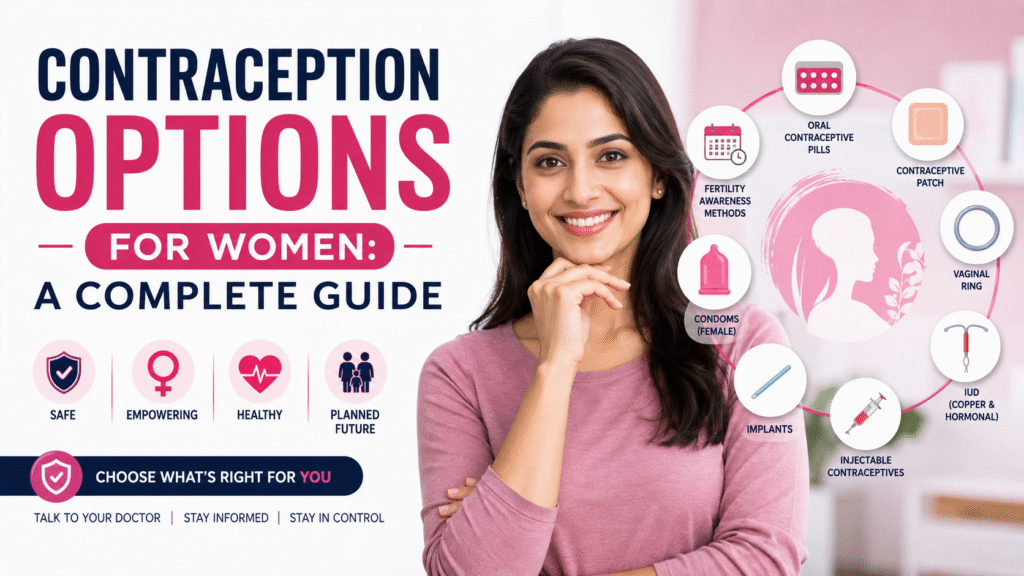
Choosing the right birth control method is an important part of reproductive health. There are several contraception options for women, and the best choice depends on health, lifestyle, future pregnancy plans, comfort, and personal preferences. Women seeking professional guidance can consult the best gynecologist-obstetrician in Unnao at Abhisri Hospital for personalized advice. Modern contraception can help prevent unintended pregnancy and support healthy pregnancy spacing.
Why Choosing the Right Method Matters
Understanding contraception options for women helps women make informed decisions instead of relying on a one-size-fits-all approach. Contraceptive methods vary in effectiveness, duration, hormonal content, potential side effects, and frequency of use. Some methods are temporary and easily reversible, while others provide protection for several years or are intended to be permanent.
A healthcare professional can review medical history, medications, menstrual patterns, pregnancy plans, and individual preferences before recommending a suitable option. The World Health Organization recommends considering personal health and circumstances when selecting an appropriate contraceptive method.
Hormonal Methods for Pregnancy Prevention
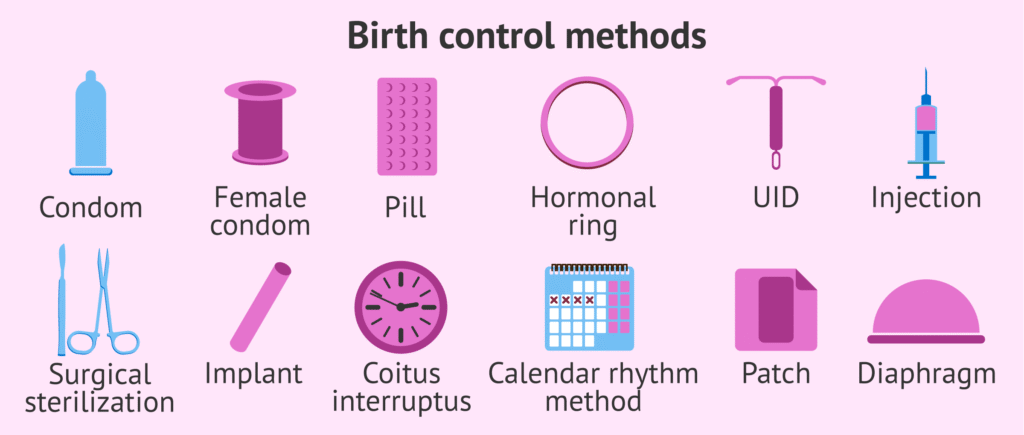
Hormonal contraception options for women work mainly by preventing ovulation, thickening cervical mucus, or changing the uterine lining. Common choices include birth control pills, hormonal intrauterine devices, implants, injections, and vaginal rings.
Birth control pills need regular use and may contain estrogen and progestin or progestin alone. Implants are small devices placed under the skin and can provide protection for several years. Hormonal IUDs are placed inside the uterus by a trained healthcare provider and can also provide long-lasting protection. Injectable contraception is another option for women who prefer not to take a daily pill.
Non-Hormonal Choices for Different Needs
For women who prefer to avoid hormones, contraception options for women also include non-hormonal methods. A copper IUD is a long-acting option that does not release hormones and can provide protection for many years. Condoms are another important choice and must be used correctly during sexual activity.
Condoms have an additional advantage because they can help reduce the risk of sexually transmitted infections, including HIV. They are currently the only contraceptive method that also provides protection against sexually transmitted infections.
Long-Acting Methods Offer Convenient Protection
Long-acting reversible contraceptives are among the most effective contraceptive options for women because they do not require daily or frequent action. These include hormonal and copper IUDs and contraceptive implants.
Their convenience can be useful for women who want reliable pregnancy prevention without remembering a pill every day. IUDs and implants must be inserted by an appropriately trained healthcare professional. Their duration of effectiveness varies according to the specific product and method.
Barrier and Fertility Awareness Methods Explained
Barrier methods prevent sperm from reaching the egg. Condoms are widely available and can be used whenever contraception is needed. Fertility awareness-based methods involve tracking the menstrual cycle and identifying days when pregnancy is more likely.
These approaches require consistent and correct use. Fertility awareness and withdrawal are generally less reliable than long-acting methods, particularly when used incorrectly or inconsistently. Therefore, women should understand the limitations before choosing these approaches as their primary birth control method.
Emergency Contraception After Unprotected Sex
Emergency contraception is an important part of contraception options for women when unprotected sex occurs, or regular contraception fails. Emergency contraceptive pills and a copper IUD can be used after unprotected intercourse, with timing being an important factor.
The WHO states that emergency contraceptive methods should be used within five days, although effectiveness can depend on the method and how soon it is used. Emergency contraception is intended to prevent pregnancy after intercourse and should not be confused with regular ongoing contraception.
Factors to Consider Before Selecting a Method
When comparing contraception options for women, consider how effective the method is, how long it lasts, possible side effects, ease of use, cost and availability, and whether pregnancy is desired soon or several years later. Medical conditions and certain medications may also influence which methods are appropriate.
Women should discuss concerns such as irregular bleeding, menstrual changes, previous health problems, breastfeeding, or plans for pregnancy with a qualified healthcare provider. The WHO’s updated medical eligibility guidance emphasizes that contraceptive suitability can depend on individual health conditions and physiological characteristics.
At Abhisri Hospital, professional gynecological guidance can help women understand their choices and select a method based on their individual reproductive goals rather than simply following recommendations from friends or online sources.
Understanding Effectiveness and Consistent Use
The effectiveness of contraception options for women varies considerably. Long-acting methods generally reduce the possibility of user error because they continue working without daily action. Pills, condoms, and other user-controlled methods can work well when used correctly and consistently, but missed doses or incorrect use can reduce protection.
It is also important to remember that contraceptive effectiveness and protection against infections are different considerations. A method may provide strong pregnancy prevention without protecting against sexually transmitted infections. Condoms remain particularly important when STI protection is needed.
Finding the Most Suitable Birth Control Method
There is no single method that is ideal for every woman. The best contraception options for women depend on personal preferences, health considerations, relationship circumstances, and reproductive plans. Some women may prefer a long-lasting method, while others may want a method they can start or stop themselves.
A consultation with a qualified gynecologist can make the decision easier by explaining benefits, limitations, possible side effects, and alternatives. Women should also feel comfortable asking questions and discussing any concerns before starting or changing contraception.
Conclusion: Making an Informed Contraceptive Choice
Understanding contraception options for women is an important step toward responsible family planning and reproductive health. From pills and condoms to implants, IUDs, injections, and permanent methods, there are choices for different needs and stages of life.
Women should avoid choosing contraception based solely on convenience or advice from others. A healthcare professional can assess individual circumstances and provide appropriate guidance. For women seeking dependable gynecological and obstetric care, Abhisri Hospital can provide professional support in discussing contraception and broader reproductive health needs.