Postpartum Care: What Should a Mother Keep in Mind After Delivery?

Contraception Options for Women: A Complete Guide
August 27, 2026
Lifestyle Factors That Can Improve Male Fertility Naturally
September 5, 2026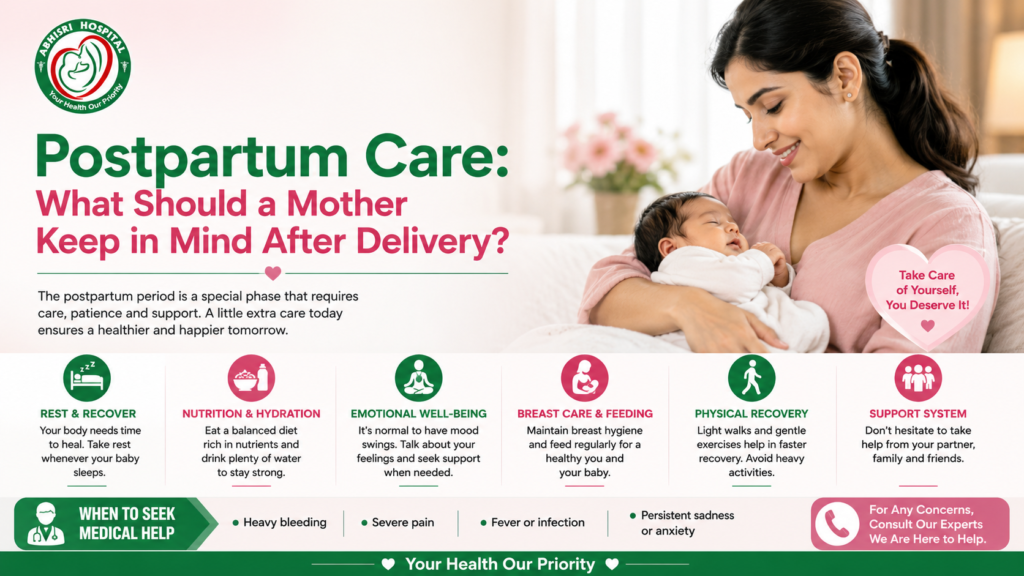
The weeks after childbirth are an important period of physical and emotional adjustment for every mother. During this time, adequate rest, nutritious meals, proper hygiene, emotional support, and timely medical follow-ups are essential for a healthy recovery. Good postpartum care helps the body heal, supports breastfeeding, and enables early identification of potential complications. Mothers should pay attention to changes in bleeding, pain, mood, wound healing, and overall energy levels.
Those experiencing concerns or needing professional guidance can consult a best Gynecologist Obstetrician in Unnao for personalized advice and appropriate support. Abhi Shri Hospital can also provide medical guidance for mothers during the recovery period. Understanding normal postpartum changes and knowing when to seek medical attention can make the recovery process safer and more comfortable. With proper care, family support, healthy habits, and regular checkups, mothers can gradually regain their strength while adapting to the needs of their newborn.
What Is Postpartum Care?
Postpartum care refers to the physical, emotional, and medical support a mother receives after childbirth. Recovery does not end when the baby is born. The uterus gradually returns to its normal size, hormonal levels change, wounds may heal, and breastfeeding can bring additional physical demands.
The first six weeks are particularly important, but some aspects of recovery may continue for several months. Every mother’s experience is different, especially after a vaginal delivery, cesarean birth, or pregnancy with complications.
Why the First Few Weeks Matter
The early weeks provide an opportunity to monitor healing, manage discomfort, establish breastfeeding, and recognize warning signs. Regular communication with a healthcare professional can also help mothers feel more confident about their recovery.
Prioritize Rest and Physical Recovery
Rest is one of the most important parts of recovery after childbirth. Although caring for a newborn can make uninterrupted sleep difficult, mothers should try to rest whenever possible.
Family members can help with cooking, cleaning, shopping, and baby-related tasks. Avoiding unnecessary heavy lifting and strenuous activity can also support healing.
After a cesarean delivery, extra attention may be required for the incision. Keep the area clean and dry, follow medical instructions, and avoid activities that cause significant pain or pressure.
Listen to Your Body
Mild tiredness, soreness, vaginal bleeding, and uterine cramps can occur after delivery. However, symptoms that become severe, sudden, or progressively worse should not be ignored.
Maintain a Nutritious Diet and Stay Hydrated
A balanced diet supports tissue repair, energy levels, and breastfeeding. Mothers should include protein-rich foods, whole grains, fruits, vegetables, dairy or suitable alternatives, and healthy fats.
Iron-rich foods can be particularly useful after blood loss during childbirth. Depending on individual needs, a doctor may recommend iron, calcium, vitamin D, or other supplements.
Adequate fluids are also important, particularly for breastfeeding mothers. Keeping water nearby during feeding sessions can make hydration easier.
Simple Nutrition Tips
- Include protein with regular meals.
- Eat fresh fruits and vegetables every day.
- Choose iron-rich foods such as leafy greens, beans, lentils, and suitable animal-based foods.
- Drink enough water throughout the day.
- Limit highly processed foods when possible.
- Continue prescribed supplements according to medical advice.
Take Care of Breastfeeding and Breast Health
Breastfeeding may take time to establish. Correct positioning and attachment can reduce nipple discomfort and help the baby feed effectively.
Some mothers experience breast fullness, tenderness, or leaking. Frequent feeding and appropriate guidance can help manage these changes. Persistent breast pain, redness, swelling, fever, or flu-like symptoms should be discussed with a healthcare professional.
Mothers who are struggling with milk supply, painful feeding, or latch problems can seek help from a qualified doctor or lactation professional rather than feeling pressured to manage everything alone.
Watch Your Emotional Health
Emotional changes are common after childbirth. Hormonal changes, sleep deprivation, physical discomfort, and the responsibilities of caring for a newborn can affect mood.
Postpartum depression is more serious than temporary mood changes. Persistent sadness, hopelessness, severe anxiety, loss of interest, difficulty bonding with the baby, feelings of worthlessness, or thoughts of self-harm require prompt professional attention.
Do Not Ignore Mental Health Symptoms
A mother should tell a trusted person or healthcare professional if she feels emotionally overwhelmed. Support from a partner, family member, friend, counselor, or doctor can make an important difference.
If there are thoughts of harming herself or the baby, urgent professional or emergency support should be sought immediately.
Follow Good Hygiene and Wound Care
Good hygiene can reduce the risk of infection after childbirth. Mothers should follow their healthcare provider’s instructions for caring for vaginal stitches, cesarean wounds, or other areas affected by delivery.
Wash hands regularly, change sanitary products as needed, and keep healing areas clean. Avoid inserting anything into the vagina unless a healthcare professional has advised that it is safe.
Heavy bleeding, foul-smelling discharge, increasing wound redness, pus, severe pain, or fever may indicate an infection and should be evaluated promptly.
Understand the Importance of Postnatal Care
The importance of postnatal care extends beyond checking whether the delivery wound has healed. Follow-up appointments allow healthcare professionals to assess blood pressure, bleeding, recovery, breastfeeding concerns, emotional wellbeing, contraception needs, and other health issues.
A postpartum appointment is also an opportunity to discuss symptoms that may not have been obvious immediately after delivery.
At Abhi Shri Hospital, mothers can discuss recovery concerns with qualified healthcare professionals and receive guidance based on their individual needs.
Keep Your Follow-Up Appointments
Do not skip a recommended appointment simply because you feel better. Some postpartum problems can develop gradually, and routine assessments help identify concerns early.
After Delivery Care for Mother at Home
After delivery care for mother at home should focus on rest, nutrition, hygiene, emotional support, and monitoring for warning signs. Mothers should avoid trying to return immediately to their previous routine.
Practical support at home can include preparing nutritious meals, arranging comfortable feeding spaces, keeping essential supplies nearby, and sharing household responsibilities.
Gentle movement, such as short walks, may be appropriate when medically safe. Exercise should be increased gradually and according to the type of delivery and individual recovery.
A Simple Home Recovery Checklist
- Get as much rest as possible.
- Eat regular, nutritious meals.
- Drink sufficient fluids.
- Take prescribed medicines and supplements.
- Keep wounds clean and follow care instructions.
- Monitor bleeding and other symptoms.
- Accept practical help from family members.
- Make time for emotional recovery.
- Attend scheduled medical checkups.
Know the Warning Signs After Delivery
Knowing when to seek medical attention is an essential part of postpartum care. Contact a healthcare professional promptly if you experience unusually heavy vaginal bleeding, severe abdominal or pelvic pain, high fever, foul-smelling discharge, breathing difficulty, chest pain, severe headache, vision changes, swelling with other concerning symptoms, or signs of infection.
A mother should also seek medical advice for persistent vomiting, painful urination, severe breast symptoms, or emotional symptoms that interfere with daily life.
Some complications can become serious quickly, so it is safer to seek medical advice rather than waiting for symptoms to disappear.
Gradually Return to Normal Activities
Recovery should happen gradually. Household work, driving, exercise, sexual activity, and returning to employment may need to be adjusted depending on the delivery and individual health.
Before restarting strenuous exercise or activities that cause pain, ask your healthcare provider for personalized advice.
Pelvic floor exercises may benefit many women after childbirth, but technique and timing matter. A healthcare professional can provide guidance if there is pain, urinary leakage, pelvic pressure, or other persistent symptoms.
Support the Mother, Not Just the Baby
Family support is an important but sometimes overlooked part of recovery. A new mother may need someone to prepare meals, help with the baby, provide companionship, or simply allow her to sleep.
Partners and family members should pay attention to changes in mood and behavior. Postpartum depression can affect mothers in different ways, and compassionate support can encourage them to seek help sooner.
Mothers should also remember that asking for help is not a sign of weakness. Recovery is a process, and needing assistance is normal.
Quick Takeaways for a Healthy Recovery
Good postpartum care involves more than physical healing. Mothers should prioritize rest, nutritious food, hydration, hygiene, breastfeeding support, emotional well-being, and appropriate medical follow-up.
Remember these key points:
- Give your body time to heal.
- Follow your doctor’s instructions.
- Monitor bleeding, pain, wounds, and fever.
- Eat well and stay hydrated.
- Seek support for breastfeeding difficulties.
- Pay attention to emotional changes.
- Understand the importance of postnatal care.
- Ask for help when daily responsibilities become overwhelming.
Conclusion
Recovery after childbirth is a gradual process that deserves attention and support. Consistent postpartum care can help mothers recognize normal recovery changes while responding quickly to potential complications.
The importance of postnatal care should not be underestimated, particularly during the first weeks after delivery. With proper after-delivery care for the mother at home, adequate rest, healthy nutrition, emotional support, and scheduled medical follow-ups, mothers can approach recovery with greater confidence.
If you have concerns about your health after childbirth, consult a qualified healthcare professional rather than relying only on general advice. Abhi Shri Hospital can provide appropriate medical guidance for mothers who need professional support during the postpartum period.
Frequently Asked Questions
Q – What is postpartum care?
Postpartum care includes physical recovery, nutrition, hygiene, emotional support, breastfeeding help, and medical checkups after childbirth.
Q – How long does postpartum recovery take?
Initial recovery usually takes about six weeks, although complete physical and emotional recovery can take longer.
Q – What are the signs of postpartum depression?
Persistent sadness, anxiety, hopelessness, loss of interest, difficulty bonding with the baby, or thoughts of self-harm may indicate postpartum depression.
Q – What should a mother do at home after delivery?
A mother should rest, eat nutritious food, stay hydrated, maintain hygiene, follow medical advice, and seek help when needed.
Q – When should I contact a doctor after delivery?
Seek medical attention for heavy bleeding, severe pain, fever, breathing difficulty, chest pain, wound infection, or serious emotional symptoms.