Severe Menstrual Pain: Why It Happens and How to Relieve It

Snake Bite: When ICU Monitoring Is Needed
July 30, 2026
Unusual Vaginal Discharge: Causes, Symptoms & Treatment
August 7, 2026
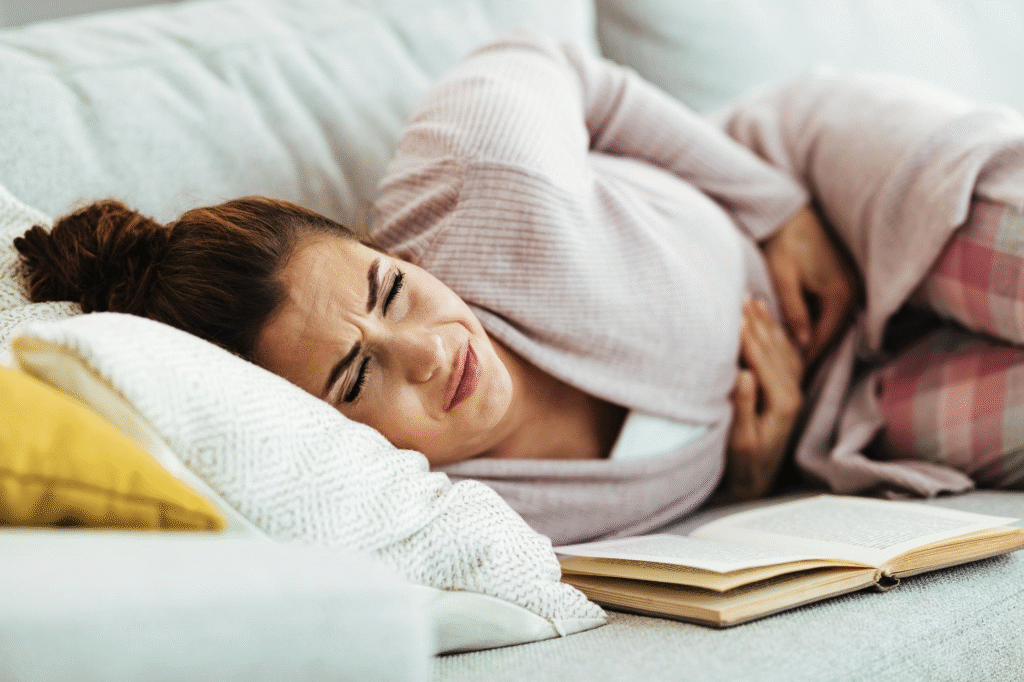
Menstrual pain is a common experience for many women, but when the pain becomes intense enough to interfere with daily life, it should not be ignored. Severe menstrual pain, medically known as dysmenorrhea, can affect physical health, emotional well-being, work, studies, and overall quality of life. While mild cramping is considered normal during menstruation, severe pain may indicate an underlying medical condition that requires proper evaluation and treatment.
READ MORE : Snake Bite: When ICU Monitoring Is Needed
Understanding the causes, recognizing the symptoms, and knowing the available treatment options can help women manage their menstrual health more effectively. If severe pain continues month after month, consulting a qualified best gynecologist obstetrician in unnao is the best way to identify the root cause and receive appropriate care.
What Is Severe Menstrual Pain?
Severe menstrual pain refers to intense cramping or pelvic pain that occurs before or during menstruation. The pain can last for several hours or even continue for two to three days. It may become so severe that routine activities such as walking, working, studying, or sleeping become difficult.
Menstrual pain is generally classified into two types:
Primary Dysmenorrhea
Primary dysmenorrhea is menstrual pain that occurs without any underlying pelvic disease. It usually begins during adolescence, within a few years after the first menstrual cycle. The pain results from the release of prostaglandins, chemicals that cause the uterus to contract during menstruation.
Secondary Dysmenorrhea
Secondary dysmenorrhea occurs because of an underlying medical condition affecting the reproductive organs. This type of pain often starts later in life and may worsen over time if the underlying problem is left untreated.
Common Causes of Severe Menstrual Pain
Several factors can contribute to severe menstrual pain. Identifying the exact cause is essential for selecting the right treatment.
Endometriosis
Endometriosis occurs when tissue similar to the uterine lining grows outside the uterus. This condition often causes severe menstrual cramps, pelvic pain, painful intercourse, and fertility issues.
Uterine Fibroids
Fibroids are non-cancerous growths within or around the uterus. Depending on their size and location, they may cause heavy menstrual bleeding, pelvic pressure, and severe cramping.
Adenomyosis
In adenomyosis, the tissue lining the uterus grows into the muscular wall of the uterus. This can lead to prolonged, heavy periods and intense menstrual pain.
Pelvic Inflammatory Disease (PID)
PID is an infection of the female reproductive organs that may result in pelvic pain, fever, abnormal vaginal discharge, and painful menstruation.
Ovarian Cysts
Certain ovarian cysts can cause pelvic discomfort that becomes worse during menstruation, especially if they rupture or twist.
Cervical Narrowing
A naturally narrow cervix can restrict menstrual flow, increasing pressure inside the uterus and leading to stronger contractions and more severe pain.
Symptoms of Severe Menstrual Pain
Every woman experiences menstrual pain differently. However, severe menstrual pain is often accompanied by additional symptoms that may require medical attention.
Common symptoms include:
- Intense lower abdominal cramps
- Pelvic pain spreading to the lower back
- Pain radiating into the thighs
- Heavy menstrual bleeding
- Nausea or vomiting
- Headaches
- Fatigue
- Dizziness
- Diarrhea or constipation
- Difficulty performing daily activities
If these symptoms occur regularly or worsen over time, a detailed gynecological evaluation is recommended.
Risk Factors
Some women are more likely to experience severe menstrual pain than others. Common risk factors include:
- Early onset of menstruation
- Family history of painful periods
- Heavy menstrual bleeding
- Irregular menstrual cycles
- Smoking
- High stress levels
- Hormonal imbalances
- Conditions such as endometriosis or fibroids
Understanding these risk factors helps in early diagnosis and timely treatment.
When Should You See a Doctor?
While mild cramps usually improve with home remedies, severe pain should never be ignored.
Seek medical advice if:
- Pain prevents normal daily activities.
- Pain continues despite taking pain medication.
- Menstrual pain suddenly becomes much worse.
- Heavy bleeding requires changing pads every hour.
- Pain continues even after the menstrual period ends.
- Fever, unusual discharge, or severe pelvic pain accompanies menstruation.
Early diagnosis can prevent complications and improve long-term reproductive health. Women experiencing persistent symptoms can consult experienced gynecologists at Abhisri Multispeciality Hospital Unnao for comprehensive evaluation and personalized treatment.

Diagnosis of Severe Menstrual Pain
A gynecologist will begin by discussing your medical history, menstrual cycle, and symptoms.
Diagnostic tests may include:
Physical Examination
A pelvic examination helps identify tenderness, infections, or abnormalities in the reproductive organs.
Ultrasound Scan
Pelvic ultrasound provides detailed images of the uterus and ovaries to detect fibroids, ovarian cysts, or adenomyosis.
Blood Tests
Blood investigations help detect infections, anemia, or hormonal abnormalities.
MRI Scan
MRI may be recommended in complex cases where detailed imaging is required.
Laparoscopy
This minimally invasive procedure allows doctors to directly examine the pelvic organs and diagnose conditions like endometriosis.
Effective Relief for Severe Menstrual Pain
Treatment depends on the underlying cause, the severity of symptoms, and future pregnancy plans.
Pain Relief Medications
Nonsteroidal anti-inflammatory drugs (NSAIDs) are commonly prescribed to reduce prostaglandin production and relieve menstrual cramps.
Hormonal Therapy
Birth control pills, hormonal injections, patches, or intrauterine devices (IUDs) may help regulate hormones and reduce menstrual pain.
Heat Therapy
Applying a heating pad or warm water bottle to the lower abdomen helps relax uterine muscles and reduce cramping.
Regular Exercise
Light physical activity improves blood circulation and stimulates the release of endorphins, which naturally reduce pain.
Healthy Diet
Eating foods rich in calcium, magnesium, iron, omega-3 fatty acids, fruits, vegetables, and whole grains supports hormonal balance and may reduce menstrual discomfort.
Stress Management
Yoga, meditation, breathing exercises, and adequate sleep can help lower stress levels, which may reduce the intensity of menstrual cramps.
Adequate Hydration
Drinking enough water throughout the day helps reduce bloating and supports overall menstrual health.
Surgical Treatment
If severe menstrual pain is caused by fibroids, endometriosis, or adenomyosis, surgery may be recommended when conservative treatments fail.
Home Remedies That May Help
Along with medical treatment, several home remedies may provide additional comfort:
- Drink warm herbal teas.
- Avoid excessive caffeine and processed foods.
- Maintain a healthy body weight.
- Practice gentle stretching exercises.
- Take warm baths during painful days.
- Follow a consistent sleep routine.
- Eat smaller, nutritious meals throughout the day.
Although these remedies may reduce discomfort, they should not replace professional medical evaluation when symptoms are severe.
Can Severe Menstrual Pain Affect Fertility?
In some cases, yes. Conditions like endometriosis, pelvic inflammatory disease, and adenomyosis may impact fertility if left untreated. However, not every woman with painful periods experiences fertility problems.
Early diagnosis and timely treatment significantly improve reproductive health outcomes and future pregnancy planning.
Preventing Severe Menstrual Pain
Not all cases can be prevented, especially those caused by underlying medical conditions. However, healthy lifestyle habits may help reduce the severity of symptoms.
Preventive measures include:
- Exercising regularly
- Eating a balanced diet
- Maintaining a healthy weight
- Managing stress effectively
- Avoiding smoking
- Staying hydrated
- Scheduling regular gynecological check-ups
- Seeking medical advice when menstrual symptoms change
Regular health monitoring allows early identification of gynecological conditions before they become more serious.

Conclusion
Severe menstrual pain is more than just a painful period—it can be a sign of an underlying health condition that deserves medical attention. While occasional cramps are common, persistent or worsening pain should never be considered normal. Understanding the causes, recognizing warning signs, and seeking timely treatment can greatly improve comfort, overall health, and quality of life.
If you experience intense menstrual cramps, heavy bleeding, or recurring pelvic pain, do not delay professional consultation. Expert evaluation at Abhisri Multispeciality Hospital Unnao can help identify the exact cause and provide effective, personalized treatment. Offering comprehensive multispeciality healthcare services in unnao the hospital is committed to helping women manage their menstrual health with confidence.