Snake Bite: When ICU Monitoring Is Needed

Ventilator Causes Death? The Truth Behind One of the Biggest ICU Myths
July 29, 2026
Severe Menstrual Pain: Why It Happens and How to Relieve It
August 5, 2026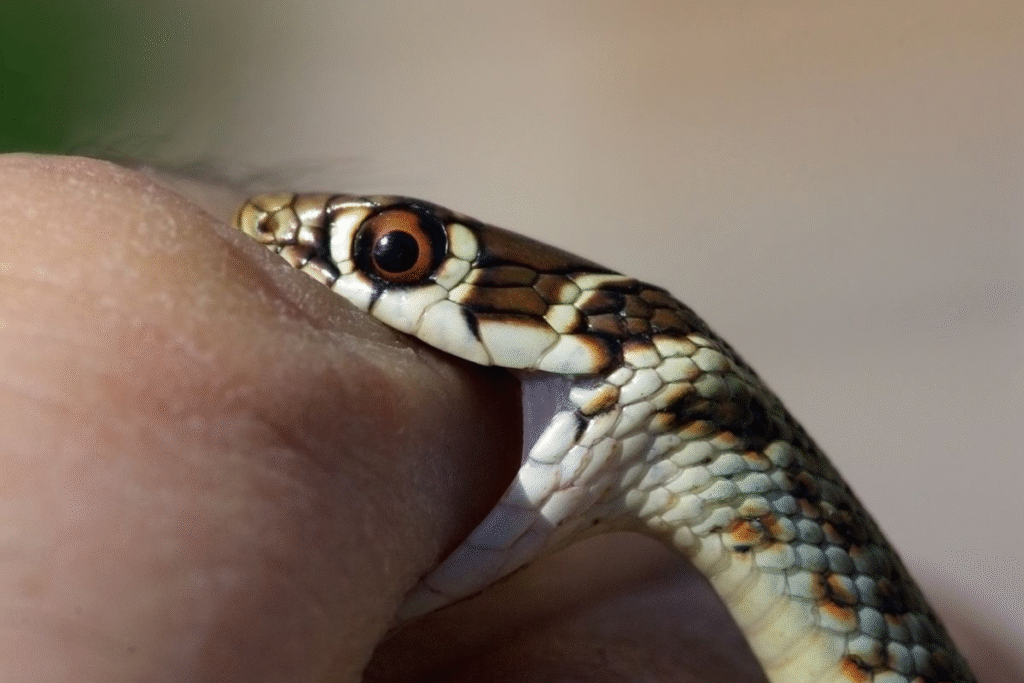
Learn when a snake bite requires ICU care, the warning signs to watch for, the role of Anti-Snake Venom (ASV), and how early treatment can save lives.
Snake bites are a major medical emergency in India, particularly during the monsoon season when encounters with snakes become more common. Every year, thousands of people are bitten by snakes while working in fields, walking outdoors, or even inside their homes. In cases of severe envenomation, immediate treatment at Best ICU Hospitals in Unnao can provide access to advanced monitoring, ventilator support, and emergency critical care, significantly improving the chances of recovery. While many snake bites are harmless or involve non-venomous species, bites from venomous snakes can become life-threatening if medical treatment is delayed.
A common misconception is that a patient who is awake, alert, and able to speak after a snake bite is completely safe. However, this is not always true. Snake venom may take time to affect the body, and some patients develop serious complications several hours after the bite. These complications may include breathing difficulty, paralysis, severe bleeding, shock, or kidney failure.
This is why close observation and ICU monitoring are essential for selected patients. Continuous monitoring allows doctors to detect complications early and begin life-saving treatment before the condition worsens.
Understanding Snake Bite Envenomation
A snake bite does not always mean venom has entered the body. Some bites are known as dry bites, where little or no venom is injected. Others are caused by non-venomous snakes and require only wound care and observation.
Venomous snake bites, however, can affect different organs depending on the type of venom involved. In India, the “Big Four” venomous snakes include:
- Indian Cobra
- Common Krait
- Russell’s Viper
- Saw-scaled Viper
Each produces venom that affects the body differently. Some primarily attack the nervous system, while others interfere with blood clotting or damage muscles and kidneys.
Why ICU Monitoring Is Important After a Snake Bite
The condition of a patient can change rapidly after a venomous snake bite. Someone who appears stable initially may suddenly develop severe complications.
An Intensive Care Unit (ICU) provides continuous monitoring of:
- Breathing pattern
- Heart rate
- Blood pressure
- Oxygen saturation
- Urine output
- Blood clotting
- Kidney function
- Neurological status
- Fluid balance
Continuous observation helps doctors identify complications at the earliest stage and provide immediate treatment.
Which Snake Bite Patients Need ICU Monitoring?
Not every patient requires ICU admission. However, ICU care is strongly recommended when there is evidence of severe envenomation or a high risk of complications.
1. Difficulty Breathing
Breathing difficulty is one of the most dangerous complications of venomous snake bites.
Patients may develop:
- Shortness of breath
- Weak voice
- Difficulty swallowing
- Drooping eyelids
- Inability to lift the head
- Weak respiratory muscles
If breathing muscles become too weak, ventilator support may be necessary until the venom’s effects wear off.
2. Neurotoxic Snake Bite
Cobras and kraits produce neurotoxic venom that affects the nervous system.
Common symptoms include:
- Blurred vision
- Double vision
- Drooping eyelids
- Difficulty speaking
- Difficulty swallowing
- Progressive paralysis
- Respiratory muscle weakness
These patients often require ICU observation because breathing failure can develop even after mild initial symptoms.
3. Severe Local Swelling
Extensive swelling may indicate a significant amount of venom has been injected.
Doctors monitor for:
- Rapidly increasing swelling
- Severe tissue damage
- Compartment syndrome
- Reduced blood circulation
- Skin discoloration
Early recognition helps prevent permanent tissue damage.
4. Abnormal Blood Clotting
Viper bites commonly interfere with the body’s ability to clot blood.
Warning signs include:
- Bleeding gums
- Nosebleeds
- Blood in urine
- Vomiting blood
- Easy bruising
- Internal bleeding
Frequent blood tests are required to monitor clotting and determine whether additional treatment is needed.
5. Low Blood Pressure or Shock
Snake venom may affect the cardiovascular system, leading to shock.
Symptoms include:
- Sudden drop in blood pressure
- Rapid pulse
- Cold hands and feet
- Dizziness
- Confusion
- Reduced blood supply to organs
These patients often require intravenous fluids, medications to support blood pressure, and continuous ICU monitoring.
6. Acute Kidney Injury
Some snake venoms can damage the kidneys, especially following viper bites.
Doctors closely monitor:
- Urine output
- Serum creatinine
- Blood urea levels
- Electrolytes
- Fluid balance
In severe cases, temporary dialysis may be required until kidney function improves.
7. Children and Elderly Patients
Children receive a relatively larger dose of venom based on their body weight, making complications more likely.
Older adults may already have medical conditions such as:
- Diabetes
- High blood pressure
- Heart disease
- Chronic kidney disease
These patients generally require closer observation because they are at higher risk of serious complications.
How Long Should Snake Bite Patients Be Observed?
The duration of observation depends on several factors, including:
- Type of snake
- Severity of symptoms
- Laboratory findings
- Response to Anti-Snake Venom (ASV)
- Presence of complications
Some patients can be safely discharged after 24 hours of observation if no signs of envenomation develop.
Others may require ICU care for several days until they are clinically stable.
Warning Signs That Require Immediate ICU Transfer
Immediate ICU admission is necessary if a patient develops:
- Difficulty breathing
- Falling oxygen levels
- Paralysis
- Severe weakness
- Persistent vomiting
- Altered consciousness
- Heavy bleeding
- Low blood pressure
- Reduced urine output
- Seizures
- Cardiac rhythm abnormalities
Early intervention significantly improves survival.
Does Every Snake Bite Patient Need a Ventilator?
No.
Most snake bite patients never require ventilator support.
A ventilator is used only when venom weakens the muscles responsible for breathing or causes respiratory failure.
The good news is that ventilator support is usually temporary. Once the venom is neutralized and nerve function returns, most patients can be successfully weaned off the ventilator.
Role of Anti-Snake Venom (ASV)
Anti-Snake Venom (ASV) is the only specific treatment for venomous snake bites.
ASV works by:
- Neutralizing circulating venom
- Preventing further damage
- Reducing complications
- Improving survival rates
It is important to understand that ASV cannot repair tissue damage that has already occurred. Therefore, early hospital treatment remains critical.
What Happens in the ICU After a Snake Bite?
Patients admitted to the ICU receive comprehensive care that may include:
- Continuous heart and oxygen monitoring
- Regular neurological examinations
- Blood clotting tests
- Kidney function assessment
- Intravenous fluids
- Anti-Snake Venom administration
- Ventilator support if necessary
- Blood transfusion when indicated
- Dialysis in severe kidney injury
The goal is to identify complications early and provide immediate treatment.
First Aid After a Snake Bite
Correct first aid can improve outcomes before reaching the hospital.
What You Should Do
- Stay calm.
- Keep the bitten limb still.
- Remove rings, bangles, watches, or tight clothing.
- Reach the nearest hospital immediately.
- Inform doctors about the time and location of the bite, if known.
What You Should Not Do
Avoid common myths and harmful practices.
Do not:
- Cut the wound.
- Suck out the venom.
- Apply ice packs.
- Tie a tight tourniquet.
- Apply herbs, chemicals, or home remedies.
- Delay medical treatment while searching for traditional remedies.
Can Patients Recover Completely?
Yes.
With:
- Early hospital arrival
- Prompt Anti-Snake Venom therapy
- ICU monitoring when indicated
- Ventilator support if required
- Proper supportive care
Most patients recover well and return to their normal daily activities.
Recovery depends on the severity of envenomation, the speed of treatment, and the presence of complications.
Preventing Snake Bites
Although not all snake bites can be prevented, simple precautions reduce the risk.
Helpful preventive measures include:
- Wear protective footwear while working outdoors.
- Use a flashlight when walking at night.
- Avoid placing hands into holes, bushes, or piles of wood.
- Keep surroundings clean to discourage rodents and snakes.
- Sleep on raised beds in snake-prone areas.
- Seek immediate medical attention after any suspected venomous bite.
When Every Minute Counts
Snake bite is a true medical emergency. Even patients who appear stable initially may deteriorate rapidly due to the delayed effects of venom. ICU monitoring enables doctors to detect respiratory failure, bleeding, shock, kidney injury, and neurological complications before they become life-threatening. In some complex cases where surgical intervention is required to manage tissue damage or related complications, General Surgery Services in Unnao work alongside critical care teams to provide comprehensive treatment and improve patient outcomes.
Prompt medical evaluation, timely administration of Anti-Snake Venom, and appropriate critical care significantly improve survival and recovery. Never wait for symptoms to worsen. If a venomous snake bite is suspected, seek emergency medical care immediately.
Frequently Asked Questions (FAQs)
Q1. Does every snake bite require ICU admission?
No. Only patients with signs of severe envenomation, breathing difficulty, abnormal blood clotting, kidney injury, shock, or neurological symptoms usually require ICU monitoring.
Q2. How soon should I go to the hospital after a snake bite?
Immediately. Early medical evaluation and treatment greatly improve the chances of a full recovery and reduce the risk of serious complications.
Q3. Is Anti-Snake Venom given to every snake bite patient?
No. ASV is administered only when there is clear evidence of venomous envenomation. Dry bites and many non-venomous snake bites usually do not require ASV.
Q4. Can a patient die even after reaching the hospital?
The risk is significantly lower when treatment is started promptly. Early ASV administration, ICU monitoring when needed, and supportive care greatly improve survival.
Q5. Can snake venom damage the kidneys?
Yes. Certain venoms, particularly from vipers, can cause acute kidney injury. Close monitoring and, in some cases, dialysis may be necessary until kidney function recovers.
Q6. How long does recovery take after a venomous snake bite?
Recovery varies depending on the type of snake, the amount of venom injected, and how quickly treatment begins. Mild cases may recover within a few days, while severe cases may require weeks of treatment and rehabilitation.