Unusual Vaginal Discharge: Causes, Symptoms & Treatment

Severe Menstrual Pain: Why It Happens and How to Relieve It
August 5, 2026
High Potassium Can Cause Sudden Cardiac Arrest: What Every Patient & Attendant Should Know
August 11, 2026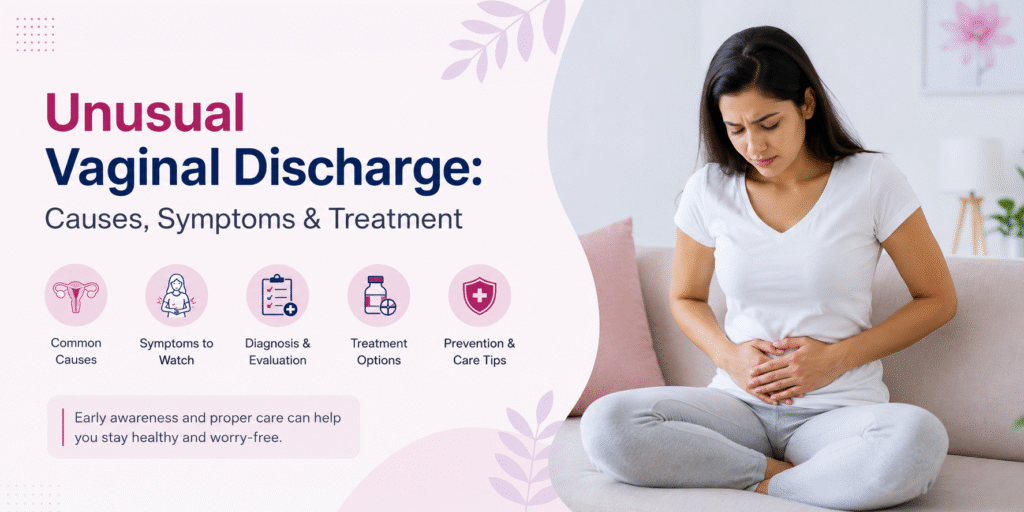
Vaginal discharge is a normal and healthy part of the female reproductive system. It helps keep the vagina clean, moist, and protected from infection. In many cases, discharge changes during the menstrual cycle, pregnancy, or due to hormonal shifts. However, when the discharge becomes unusual in color, smell, amount, or texture, it may signal an underlying health issue that needs attention.
Understanding the difference between normal and abnormal discharge is important for every woman. Early awareness can help prevent complications and support timely treatment. If you are experiencing persistent symptoms, consulting a trusted gynecologist at Abhisri Multispeciality Hospital Unnao can help identify the cause and guide the right treatment. For expert women’s healthcare, you can also consult the best gynecologist obstetrician in unnao for an accurate diagnosis and personalized care.

READ MORE : Severe Menstrual Pain: Why It Happens and How to Relieve It
What Is Normal Vaginal Discharge?
Normal vaginal discharge is usually clear, white, or slightly cloudy and may have a mild smell or no smell at all. Its texture can change throughout the month. For example, around ovulation, it may become thinner and stretchy, while before or after periods it can be thicker.
This discharge is the body’s natural way of removing dead cells and bacteria from the vagina. It is generally not a cause for concern unless accompanied by pain, irritation, itching, or unusual changes.
What Is Considered Unusual Vaginal Discharge?
Unusual vaginal discharge is any discharge that differs from your normal pattern and may be linked to infection, hormonal imbalance, or other health conditions. Warning signs include:
- Yellow, green, gray, or brown discharge
- Thick, cottage cheese-like discharge
- Strong or foul smell
- Frothy discharge
- Blood-stained discharge not related to menstruation
- Increased discharge with itching, burning, or pain
When these changes occur, they should not be ignored. A proper vaginal discharge treatment plan depends on the actual cause, which can only be diagnosed after evaluation.
Common Causes of Unusual Vaginal Discharge
There are several possible causes of abnormal discharge. Some are mild and temporary, while others may require medical treatment.
1. Bacterial Vaginosis
Bacterial vaginosis is one of the most common causes of unusual discharge. It happens when the natural balance of bacteria in the vagina is disturbed. The discharge may become thin, grayish, and have a fishy smell. It often becomes more noticeable after intercourse.
2. Yeast Infection
A yeast infection occurs when Candida, a type of fungus, grows too much in the vagina. This usually causes thick, white, clumpy discharge along with itching, redness, and irritation. Many women mistake this for a minor problem, but repeated yeast infections may need medical care.
3. Sexually Transmitted Infections
Some sexually transmitted infections, such as trichomoniasis, gonorrhea, and chlamydia, can cause unusual vaginal discharge. These infections may also cause pain during urination, pelvic discomfort, and bleeding between periods. Prompt diagnosis is important to avoid further complications.
4. Hormonal Changes
Hormonal fluctuations during puberty, pregnancy, breastfeeding, or menopause can affect vaginal discharge. In some cases, the discharge may increase or change in consistency without any infection. Still, if the change feels abnormal or is accompanied by discomfort, a medical examination is useful.
5. Foreign Body or Poor Hygiene
Sometimes, prolonged use of tampons, forgotten sanitary products, or poor hygiene can lead to irritation and unusual discharge. This may also produce a bad odor. Good hygiene habits are important, but harsh cleaning products should be avoided because they can worsen the condition.
6. Cervical or Uterine Conditions
In some women, unusual discharge may be linked to conditions affecting the cervix or uterus, including inflammation, polyps, or other gynecological concerns. This is why a complete evaluation by an experienced gynecologist is necessary, especially if the symptom keeps returning.
Symptoms That Should Not Be Ignored
Unusual vaginal discharge may appear alone, but it often comes with other symptoms. These symptoms can help identify how serious the problem may be.
You should seek medical advice if you notice:
- Itching or burning in the vaginal area
- Pain during urination
- Pain during intercourse
- Lower abdominal or pelvic pain
- Redness or swelling
- Strong odor
- Fever
- Spotting or bleeding outside your period
If these symptoms continue, visiting a women’s health specialist at Abhisri Multispeciality Hospital Unnao can help you get checked early and avoid worsening of the condition.

How Doctors Diagnose the Cause
Diagnosis usually starts with a discussion of symptoms, menstrual history, sexual history, and general health. The doctor may also perform a pelvic examination and suggest tests if needed.
Common diagnostic steps may include:
- Examination of the discharge
- Vaginal swab test
- pH testing
- Microscopic analysis
- STI screening
- Urine test if needed
These tests help find whether the cause is fungal, bacterial, hormonal, or related to another medical condition. Once the cause is known, treatment becomes much more effective.
Treatment Options for Unusual Vaginal Discharge
The treatment depends entirely on the cause of the condition.
For Bacterial Infections
Doctors may prescribe antibiotics or other medicines to restore the natural balance of the vagina. It is important to complete the full course, even if symptoms improve early.
For Yeast Infections
Antifungal medicines, creams, or tablets are commonly used to treat yeast infections. Avoiding tight clothing, maintaining dryness, and following medical advice can help prevent recurrence.
For Sexually Transmitted Infections
STIs require proper prescription medicines and sometimes treatment for the partner as well. Self-medication should be avoided because it can delay recovery and increase resistance.
For Hormonal Causes
If the discharge is due to hormonal changes and no infection is present, treatment may focus on managing the root cause. In some cases, no treatment is needed other than observation and reassurance.
For Irritation or Hygiene-Related Causes
Using mild, unscented products, wearing breathable cotton underwear, and avoiding unnecessary vaginal washes can reduce irritation. Good hygiene is important, but over-cleaning can disturb the vaginal balance.
At Abhisri Multispeciality Hospital Unnao, treatment is planned after careful examination so that women receive the right care instead of temporary relief.
Home Care and Prevention Tips
While medical treatment may be needed, some simple habits can support vaginal health and lower the risk of abnormal discharge:
- Wear clean, breathable cotton underwear
- Keep the vaginal area dry
- Avoid scented sprays, washes, and soaps
- Change sanitary products regularly
- Practice safe sex
- Drink enough water
- Maintain a balanced diet
- Visit a doctor if symptoms keep returning
These habits help maintain a healthy vaginal environment and may prevent repeated infections.
When to See a Doctor
You should not wait if the discharge is unusual, persistent, or accompanied by pain, itching, odor, or bleeding. Many women ignore these signs, assuming they will disappear on their own. But early care is often simpler, safer, and more effective.
If you are searching for professional guidance, Abhisri Multispeciality Hospital Unnao offers support for women’s health concerns, including evaluation of abnormal discharge, infection management, and gynecological care. The hospital is also recognized for providing comprehensive multispeciality healthcare services in unnao ensuring quality medical care under one roof.

Conclusion
Unusual vaginal discharge is a common concern, but it should never be ignored. It may be caused by infection, hormonal changes, irritation, or other gynecological conditions. Paying attention to the color, smell, texture, and associated symptoms can help you understand when to seek help.
The good news is that most causes are treatable when diagnosed early. With the right evaluation, proper vaginal discharge treatment, and healthy daily habits, women can protect their reproductive health and feel more confident about their bodies. For personalized care and expert guidance, consulting a gynecologist at Abhisri Multispeciality Hospital Unnao can be an important step toward recovery and peace of mind.